
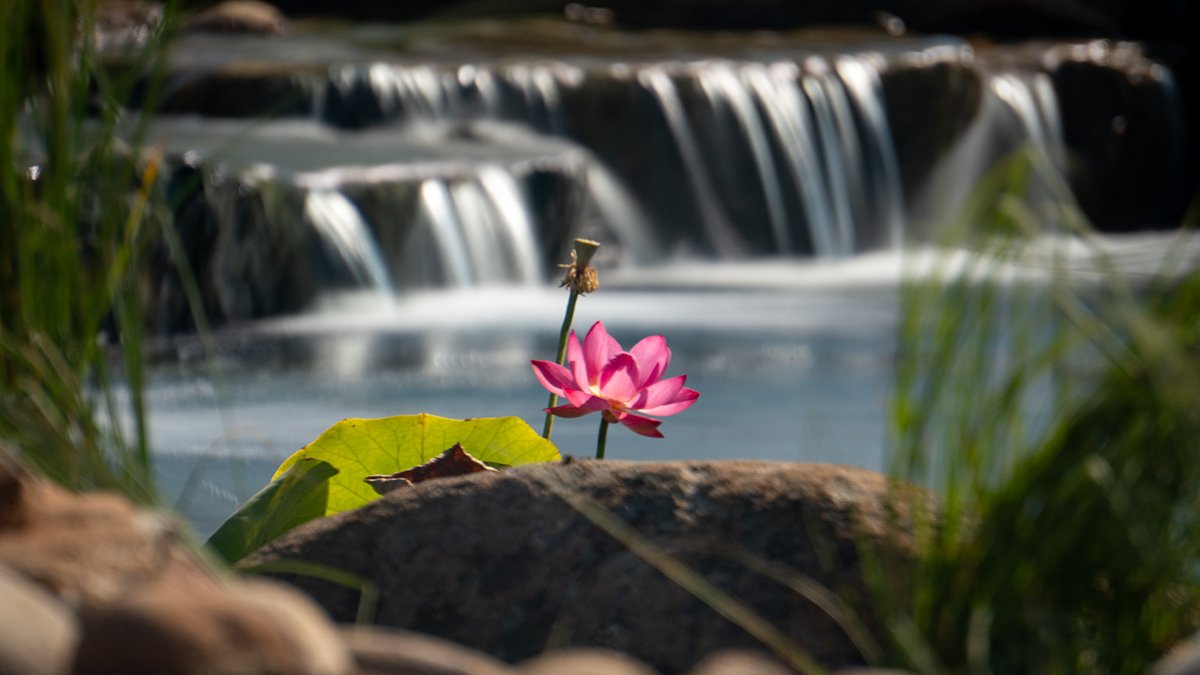
A pond can have beautiful stonework, a well-built waterfall, and clear circulation, yet still feel unfinished until the plants settle in. Thoughtful aquatic plant selection gives a water feature its softness, seasonal color, and sense of belonging in the landscape. More than decoration, the right plant communities help shade the water, compete with algae for nutrients, provide cover for fish, and turn a constructed pond into a living masterpiece.
The best choices are not simply the plants that look good at the nursery. They are the plants that suit your pond’s sunlight, shelves, depth, water movement, fish load, and the way your family intends to enjoy the space. A naturalistic water garden in a sunny Livermore backyard needs a different planting approach than a shaded courtyard pond or a large recreation pond designed for swimming.
Start Aquatic Plant Selection With the Pond Itself
Before choosing bloom color or leaf shape, look at the conditions your water feature provides. Most pond plants fall into a few functional groups: marginal plants that grow along the edge, submerged plants that live beneath the surface, floating plants, and deep-water plants such as water lilies. Each occupies a different zone and contributes something different to the pond’s ecology and visual balance.
Sunlight is the first practical question. Many flowering water lilies perform best with six or more hours of direct sun. In a pond framed by mature oaks, tall fences, or the deep shade of a home, they may produce fewer blooms and stretched foliage. Shade-tolerant marginal plants can still make that setting feel lush, but the design should work with the site rather than fight it.
Water depth matters just as much. A lily placed too deeply may struggle to reach the surface, while a marginal plant sitting in water that is too deep can decline at the crown. During a custom pond build, properly designed shelves make this much easier. They create intentional planting elevations instead of leaving every pot at the bottom, where many plants cannot thrive.
Water movement also deserves attention. Marginal plants often appreciate the gentle circulation near a stream or waterfall, but lilies and other surface-leaved plants prefer calmer areas. Place them where they can spread without being battered by a strong current. A pond should feel alive, not crowded or chaotic.
Choose Plants for a Job, Not Just a Look
Healthy ponds use plants as part of the overall system. They are not a replacement for proper filtration, circulation, or routine maintenance, but they can make those systems work more naturally. Their roots consume nutrients that might otherwise feed algae, while their leaves shade the water and reduce intense summer heat.
Marginal plants are often the backbone of a natural pond edge. Pickerel rush, arrowhead, iris, dwarf cattail varieties, and other suitable species can soften boulders and create the transition between water and garden. Their vertical forms add movement, especially when planted in groups rather than scattered as isolated specimens. The exact varieties should be chosen carefully, because some plants grow aggressively and can quickly overwhelm a small pond.
Water lilies bring a different kind of value. Their broad leaves provide shade and their blooms become a focal point during the warm season. For koi ponds, lilies also give fish refuge from the sun and overhead predators. However, they need room. A small pond may be better served by one appropriately sized lily than several varieties competing for the same surface area.
Submerged oxygenating plants are sometimes used to add underwater habitat and nutrient uptake. Their role varies depending on the pond’s filtration design, fish population, and maintenance plan. In a heavily stocked koi pond, fish may uproot or consume delicate plants, which is why planting pockets, protective baskets, or a separate bog-style area can be more successful than placing everything directly in the open pond.
Floating plants can create quick shade, but they are not always the answer. Their growth can be rapid, and some are regulated or inappropriate for local waterways. They can also cover the surface too heavily, limiting gas exchange and blocking the view of the fish and water. For many Bay Area ponds, carefully sized lilies and well-planted margins offer a more controlled, lasting result.
Plan for Coverage Without Closing In the Water
One of the most common planting mistakes is treating every open patch of water as empty space that needs to be filled. Open water is part of the design. It reflects the sky, reveals fish movement, and gives the waterfall room to be seen and heard.
As a general design direction, aim for partial surface coverage in the growing season rather than a solid carpet of leaves. The ideal amount depends on the pond’s depth, fish, exposure, and aesthetic. A sunny pond with koi may benefit from more shade than a quiet ornamental pond with a dramatic reflection view. The goal is balance: enough planting to cool and soften the water, without losing the pond beneath it.
Plant in drifts to mimic nature-inspired artistry. A cluster of several compatible marginal plants near a boulder outcrop usually looks more convincing than one of every variety placed around the perimeter. Repeating a few leaf shapes and colors creates calm. Too many unrelated plants can make even a large water feature feel busy.
Consider the view from inside the home as well as from the patio. Taller plants may be beautiful beside a waterfall or at the back edge of a pond, but they can obstruct a prized sightline when placed in front of a seating area. In a family gathering space, lower-growing plants may preserve visibility while still giving children and guests the experience of being close to nature.
Account for Fish, Wildlife, and Maintenance
Koi add color and personality, but they also change the planting plan. Large koi are enthusiastic diggers and nibblers. They can knock over containers, disturb soil, and pull apart tender roots. This does not mean a koi pond cannot be planted. It means the plants need a more intentional setup, with securely positioned containers, heavier top dressing, protected roots, or planted zones that fish cannot easily reach.
Wildlife is another consideration. Frogs, dragonflies, birds, and beneficial insects are drawn to a well-designed water garden, particularly when marginal plants offer shelter at the edge. That added life is often part of the joy of owning a pond. At the same time, dense vegetation can create hiding spots that make it harder to observe fish or spot a maintenance issue early. Keep access points clear for netting debris, checking the skimmer, and servicing equipment.
Plant maintenance is seasonal, not optional. Dead foliage should be trimmed before it sinks and decomposes in the water. Spreading plants may need division. Lilies may need repotting as their rhizomes fill the container. A well-planned pond is low-maintenance, not no-maintenance, and a regular service schedule protects both the plants and the water quality they support.
Avoid the “More Is Better” Approach
Fast-growing plants can look impressive in their first season, then become a recurring chore. Before adding a plant, ask how large it will be in two or three years, whether it spreads by runners or seed, and how it behaves in your local climate. A pond’s plant palette should mature gracefully alongside the landscape, not demand constant correction.
It is also wise to avoid treating plants as a cure for an underlying pond problem. Green water, leaks, poor circulation, or excess debris require a proper diagnosis. Adding more plants to a pond with inadequate filtration or an aging system can mask the issue briefly while making maintenance harder later. Long-term performance comes from the whole water-feature system working together: construction, plumbing, filtration, planting, and care.
For large or complex projects, plant selection is best considered during the design phase, when shelf heights, stream edges, viewing areas, and equipment access can be built around the finished vision. Aquascape Creations approaches these decisions as part of the landscape, not as an afterthought once the pond is full.
A pond should look better as the seasons pass. Choose plants with enough room to grow, give each one a purpose, and leave space for water to remain water. That balance is what makes a backyard pond feel less like an installation and more like a natural sanctuary you will want to return to every day.
[…] does not mean a sunny pond cannot stay clear. It means its design must account for the sun. Aquatic plants provide shade and compete with algae for nutrients, while an appropriately sized biological […]
[…] most visible expressions of sustainable pond design, but their role goes beyond color and texture. Marginal plants can soften stone edges, floating-leaf plants can provide shade, and submerged plants can offer […]
[…] are also part of the living system. Marginal plants soften pond edges, water lilies provide shade, and other aquatic plantings can contribute to a […]
[…] rockwork, gravel, and a waterfall that provides movement and sound. It may also include selected aquatic plants and lighting, depending on the complexity of the design and conditions at the […]
[…] whether shelves are appropriately sized and positioned. A renovation is an opportunity to create stronger planting zones that soften the pond edge, provide shade, and make the feature feel more connected to the […]
[…] Shrubs or specimen plants can screen the source area and create a sense of enclosure. Around ponds, marginal aquatic plants help blur the line between water and […]