A pond should not feel like a weekly chore hidden behind beautiful stone. It should feel alive: clear moving water, fish gliding beneath the surface, birds stopping for a drink, and planting that softens the edge of a patio or hillside. Thoughtful sustainable pond design makes that experience possible by building the natural systems of the pond into the project from day one.
For Bay Area homeowners, sustainability is not a decorative add-on. It means making wise use of water, matching the feature to its site, choosing durable materials, and creating an ecosystem that can stay balanced with reasonable care. The goal is a living masterpiece that looks as though it belongs in the landscape while delivering reliable, long-term performance.
What Sustainable Pond Design Really Means
A sustainable pond is not necessarily a pond that runs without maintenance. Every water feature needs attention, particularly after heavy leaf drop, heat waves, storms, or changes in fish load. Sustainability means the pond is designed to work with natural processes rather than requiring constant correction through chemicals, excessive water changes, or oversized equipment.
The foundation is balance. Water circulation carries debris toward collection points. Mechanical filtration captures solids before they become sludge. Biological filtration provides a home for beneficial bacteria that convert fish waste into less harmful compounds. Plants help shade the water and absorb available nutrients. Rock, gravel, and carefully shaped edges create a natural setting while supporting habitat and stable pond margins.
When these elements are sized correctly, each supports the next. When one is overlooked, the owner often pays for it later in algae, murky water, recurring leaks, or a feature that simply does not invite people outdoors.
Begin With the Site, Not a Stock Pond Shape
The most successful ponds respond to the property. Before deciding on a footprint, a designer should consider sunlight, existing grade, drainage patterns, mature trees, wind exposure, views from the home, and how people will move through the garden. A pond placed in the wrong location can be difficult to enjoy and unnecessarily demanding to maintain.
Sun exposure is a common example. A bright location can support beautiful aquatic plants, but full afternoon sun may also raise water temperatures and encourage algae. Deep shade reduces heat and algae pressure but can limit flowering plants and drop large amounts of organic debris into the pond. There is no universal “best” placement. The right answer depends on the landscape, the desired plant palette, and whether the pond will house fish.
Grade matters just as much. A natural slope can become an opportunity for a stream or cascading waterfall, allowing the feature to appear rooted in the terrain. It also calls for careful drainage planning. Runoff carrying soil, lawn treatments, or mulch into a pond can upset water quality quickly. Proper shaping and edge treatment keep outside water from becoming an unwanted source of nutrients and sediment.
Build a Healthy Water System From the Ground Up
A pond’s ecology is only as dependable as its construction. Quality liner protection, correctly installed plumbing, accessible filtration, and secure rockwork are not glamorous details, but they are what allow a feature to perform beautifully for years.
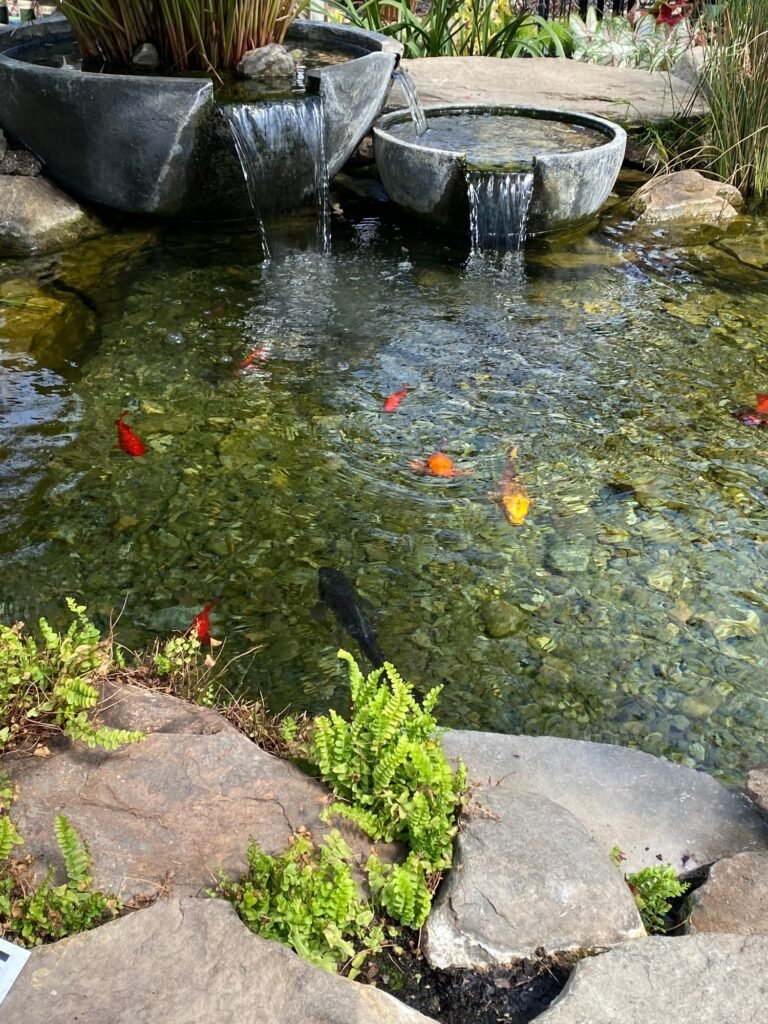
Water movement is especially important. A properly selected pump continuously circulates water, supports oxygen exchange, and feeds the filtration system. Waterfalls and streams add more than sound and visual movement. Their turbulence helps oxygenate the water, which benefits fish and the bacteria responsible for biological filtration.
Efficiency does not mean choosing the smallest pump possible. An undersized pump can leave dead zones where debris settles and water stagnates. An oversized pump may use more energy than needed or create flow that is too forceful for the pond’s scale. The better approach is to match flow rate, head height, plumbing size, waterfall width, and filtration capacity as one integrated system.
For larger ponds, recreation ponds, and complex landscapes, construction details become even more consequential. The system may need multiple circulation zones, intake bays, wetland-style filtration, or carefully designed skimming and return points. Those decisions should be made before the first boulder is set, not improvised after water is already in the pond.
Filtration Should Be Easy to Service
A filter only helps if it can be maintained without turning a peaceful backyard feature into an all-day project. Skimmers should be positioned where floating debris naturally collects. Pumps and plumbing should remain accessible. Biological filter areas need enough capacity for the pond volume, fish population, and surrounding organic load.
This is where a natural-looking pond benefits from technical experience. Hidden components still need clear access for cleaning, inspection, and future repair. A beautiful waterfall loses its charm if reaching a pump requires dismantling half the landscape.
Use Plants as Part of the System
Aquatic plants are one of the most visible expressions of sustainable pond design, but their role goes beyond color and texture. Marginal plants can soften stone edges, floating-leaf plants can provide shade, and submerged plants can offer shelter for small aquatic life. Together, they make the pond feel more like a natural sanctuary than a constructed basin.
Planting must remain proportional. Too few plants can leave water exposed to intense sun. Too many can crowd the pond, trap debris, and create excess decaying material as seasons change. The best mix reflects the pond’s depth, sunlight, fish population, and the owner’s desired level of gardening.
For a water garden, flowering plants may take center stage. For a koi pond, plant placement may need more protection because fish can disturb roots and feed on tender growth. In either case, choosing plants suited to local conditions helps reduce replacement, stress, and unnecessary inputs. A well-planned planting scheme also gives the pond a sense of maturity from the beginning, then becomes richer over time.
Design for Water Conservation Without Sacrificing Beauty
A recirculating pond uses the same water continuously, but evaporation, splash, and occasional maintenance still affect water use. In the Bay Area, smart choices around water are part of responsible ownership.
Depth is one of the most useful tools. A pond with adequate depth is generally more stable in warm weather than a shallow basin, and it provides fish with a more comfortable refuge from temperature swings. At the same time, depth must suit the site, intended use, safety considerations, and construction requirements. More depth is not automatically better.
Reducing unnecessary splash also makes a difference. A waterfall should have a lively, natural sound without throwing water beyond the pond edge. Proper stream shaping, liner placement, and stone work keep water where it belongs. Automatic fill systems can be valuable, but they should be installed thoughtfully and checked regularly so a hidden leak does not become an expensive water bill.
Sustainable choices also include building for longevity. Quality components, correctly compacted subgrade, careful liner installation, and stone placed with structural awareness reduce the likelihood of premature repairs. Rebuilding a failed pond consumes more material, labor, and water than constructing it correctly the first time.
Plan for Fish, Wildlife, and Real Family Use
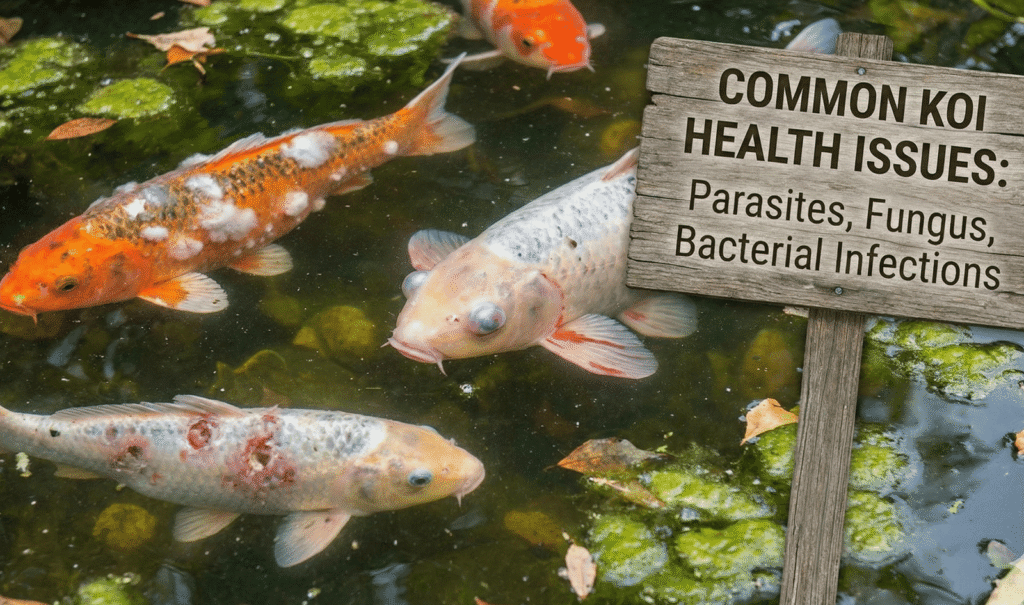
Fish bring personality to a pond, but they also increase the biological demand on the system. A few fish in a generously filtered pond may be easy to support. Large koi, enthusiastic feeding, and a growing collection of fish can require considerably more filtration, circulation, and maintenance. Stocking should follow the pond’s true capacity, not just the available visual space.
Wildlife is another welcome part of a natural water feature, although it comes with trade-offs. Birds, dragonflies, frogs, and beneficial insects may visit naturally. Predators may visit too. Shelves, caves, plant cover, pond depth, and movement at the surface can all be considered when designing protection for fish without making the pond look defensive or artificial.
The pond also needs to fit how the family lives. If children will gather near the water, edge design and visibility deserve special attention. If the feature is meant to be viewed from an outdoor kitchen or living room, the waterfall’s sound level and primary sightlines should guide its placement. Sustainability includes building something people will continue to use, care for, and love.
Maintenance Is Part of Long-Term Stewardship
Even a beautifully balanced pond benefits from seasonal care. Netting leaves before they sink, cleaning filters as needed, trimming plants, monitoring water levels, and inspecting pumps are ordinary acts of stewardship. They protect the investment and prevent minor issues from becoming major repairs.
A professional inspection is especially helpful for aging ponds, recurring water-quality problems, unexplained water loss, or systems that were installed without adequate filtration. Sometimes a pond does not need a complete rebuild. A targeted leak repair, circulation upgrade, or filtration improvement can restore the feature’s health and reduce the work required to enjoy it.
At Aquascape Creations, we believe the best pond is one that earns its place in your life year after year. Let the design follow the land, let the system support the water, and let the finished feature become the place where a busy day naturally slows down.