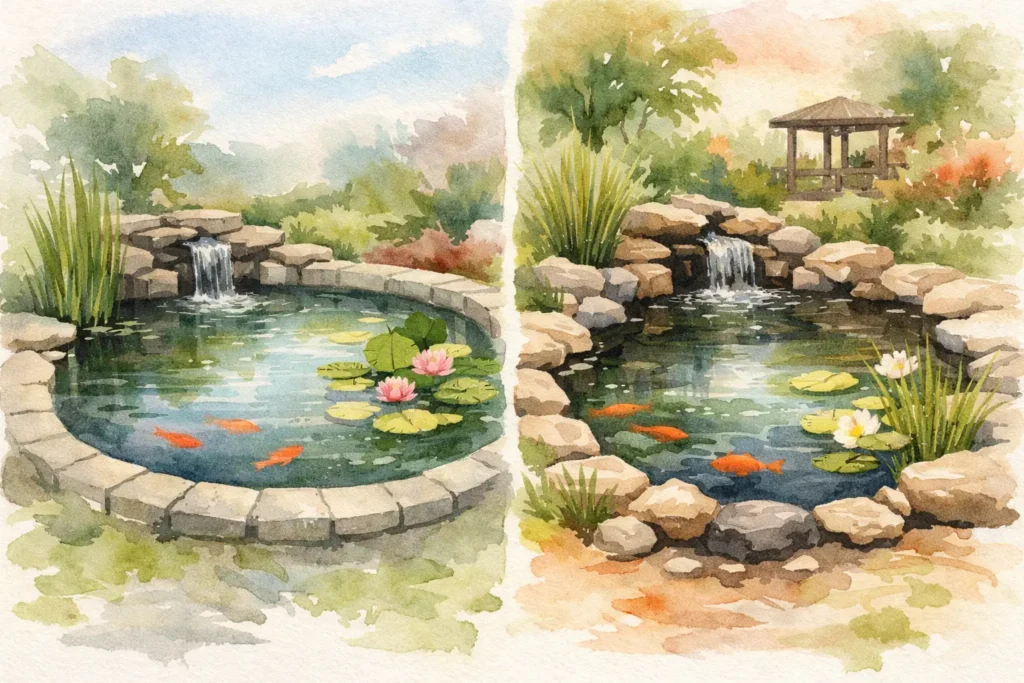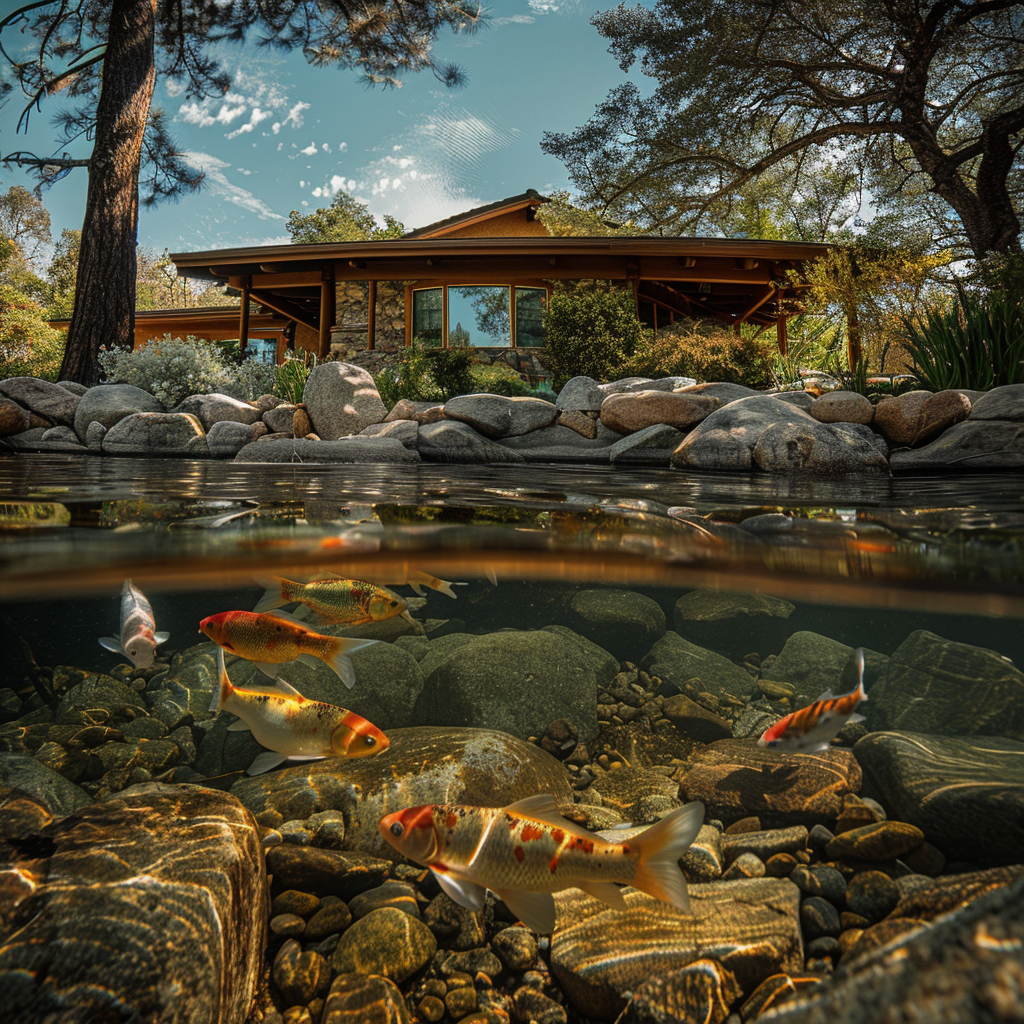
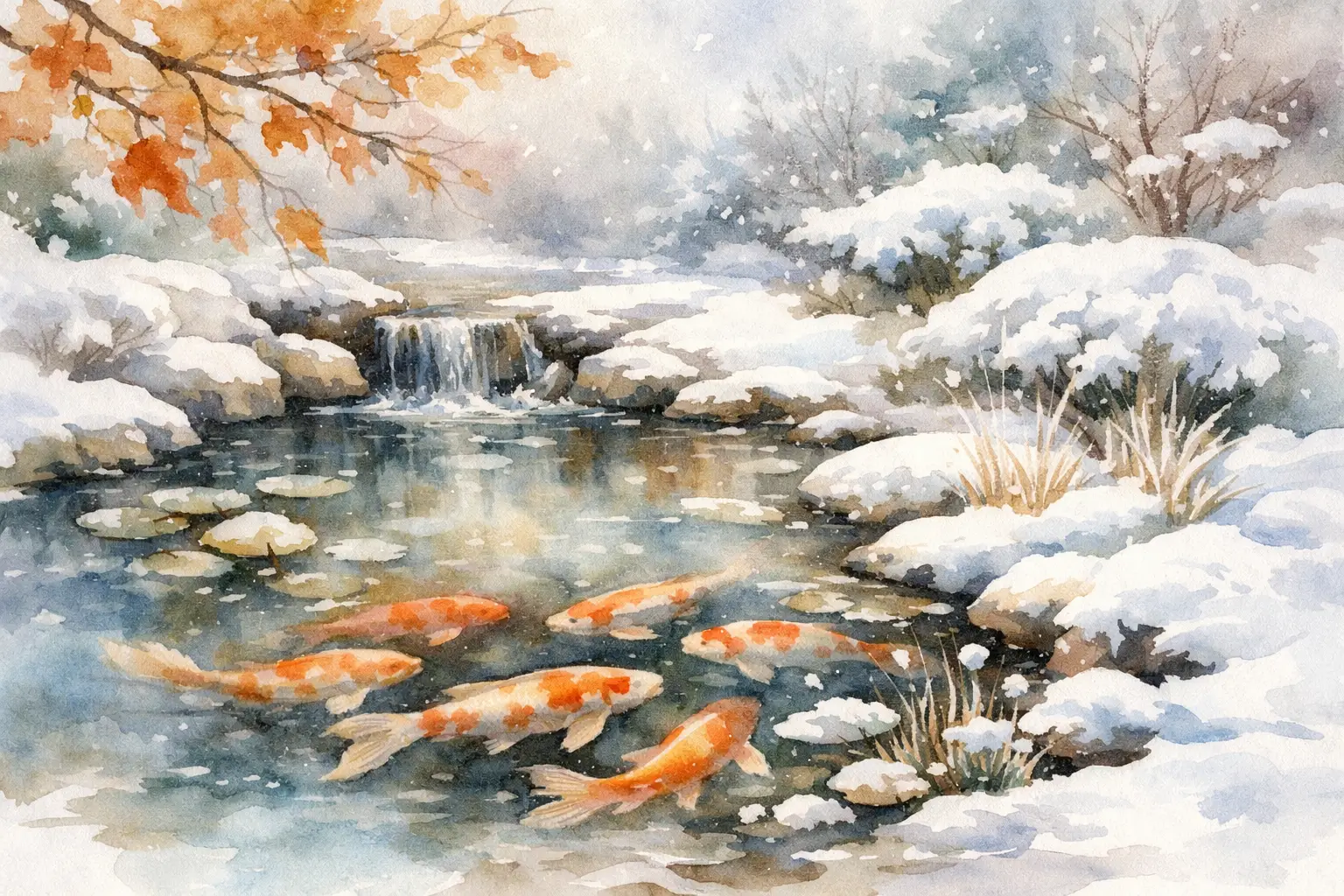
A pond can look quiet in winter, but it is still a living system. Learning how to winterize koi pond properly protects more than your fish – it preserves the biological balance, natural beauty, and long-term performance of the water feature you have invested in. The goal is not to make the pond sterile or shut it down blindly. It is to help koi, plants, circulation equipment, and beneficial bacteria transition safely through colder, wetter months.
For many Bay Area pond owners, winter preparation looks different than it does in regions with months of hard ice. Temperatures may stay moderate, but heavy rain, leaf drop, chilly nights, and changing water conditions can still create serious problems. A thoughtful seasonal plan prevents the common surprises: cloudy water, overwhelmed filters, low oxygen, stressed fish, and avoidable equipment damage.
Start Winterizing Your Koi Pond Before Cold Sets In
The best time to prepare is in fall, while the water is still warm enough for fish and beneficial bacteria to adjust gradually. Waiting until a cold snap or major storm arrives often turns simple maintenance into an emergency.
Begin with an honest look at the pond. Remove fallen leaves, string algae, and excess organic debris from the surface, skimmer, stream, and waterfall basin. As leaves and sludge break down, they consume oxygen and release nutrients that can affect water clarity and fish health. A fine-mesh pond net is especially useful beneath nearby deciduous trees, provided it is installed so wildlife cannot become trapped in it.
This is also the right time to thin dead or collapsing aquatic plant material. Hardy water lilies, marginal plants, and decorative grasses can be cut back as their growth fades. Do not strip every plant from the pond simply because it looks less polished in winter. Healthy roots and selected plant cover still contribute to a more natural, stable environment. The decision depends on the pond’s design, plant density, and how much organic material is already settling to the bottom.
If your pond has a substantial layer of sediment, schedule a professional cleaning before winter rather than stirring it up after water temperatures fall. A proper cleanout removes accumulated waste while protecting fish and preserving as much of the pond’s established biological function as possible. This is a far better approach than draining a pond on impulse or aggressively power-washing every surface.
Check Water Quality, Not Just Water Level
Rainy weather can make a pond appear full and healthy while quietly changing its chemistry. Runoff may introduce soil, fertilizer, debris, or excess nutrients. In a well-built pond, surrounding grades and drainage should guide runoff away from the water feature, but seasonal inspections remain worthwhile.
Test ammonia, nitrite, pH, and water temperature before winter. Ammonia and nitrite should read zero. A sudden reading is a signal to act, not a reason to add random treatments. It may point to decaying debris, an overloaded fish population, reduced filtration, or a disrupted biological cycle.
Keep an eye on the water level as well. A gradual drop can be normal from evaporation or splash, but a persistent decline during cool weather may indicate a leak or plumbing issue. Winter rain can mask a leak until dry days return. Addressing it early protects the pond structure and prevents pumps from operating with inadequate water.
Small, regular water changes can be helpful when water quality needs correction. Avoid a major cold-water change unless there is a clear problem that requires it. A drastic temperature shift is stressful for koi, especially when their metabolism is already slowing down.
Adjust Koi Feeding as Water Cools
Koi do not need the same feeding schedule year-round. Their digestion slows as water temperatures drop, and food that is not properly processed becomes waste in the pond.
When the water consistently falls below about 60 degrees Fahrenheit, reduce feeding and switch to an easily digestible cool-weather formula if you continue feeding. Below roughly 50 degrees, stop feeding altogether. The exact timing depends on actual water temperature, not the date on the calendar or a warm afternoon above the pond.
It can feel strange to stop feeding fish that eagerly approach at the edge, but koi are opportunistic. Their interest in food does not mean their digestive system can handle it. Uneaten food and fish waste can quickly compromise winter water quality, so restraint is one of the kindest things a pond owner can do.
Protect Oxygen and Maintain Thoughtful Circulation
Oxygen is one of winter’s most overlooked concerns. Cooler water holds more oxygen than warm water, but heavy organic debris, reduced circulation, and a dormant filter can still lead to poor conditions. Koi also need a portion of deeper, stable water where temperatures fluctuate less.
In the Bay Area, many ponds can continue operating through winter. Keeping a waterfall or stream running provides circulation, supports oxygen exchange, and maintains the sound and movement that make a pond a natural sanctuary. However, this is not a universal rule. If a shallow stream is exposed to freezing conditions, if a pump is undersized, or if plumbing is vulnerable to ice, operating the entire system may create unnecessary risk.
A pond professional can help determine whether to keep the full system active, reduce flow, or winterize certain components. The right answer depends on the pond’s depth, plumbing layout, pump vault, waterfall construction, local microclimate, and fish load.
If extended freezing weather is expected, protect the pond from sealing over completely. An aerator placed away from the deepest fish refuge can keep a small area open for gas exchange. Do not smash ice if it forms. The shock waves can stress fish. Never rely on salt or chemical ice melts near a pond.
Service Pumps, Filters, and Plumbing Before Storm Season
Winter is hard on equipment that has been neglected through the busy months. Clean the skimmer net, remove debris from the pump intake, and inspect plumbing connections for drips or loose fittings. A clogged skimmer can overflow or stop doing its job just when leaf load and rainfall are at their highest.
Mechanical filtration often needs less frequent cleaning as feeding declines, but it should not be ignored. Clean it according to the equipment’s requirements, using pond water when possible for biological media. Chlorinated tap water can harm beneficial bacteria that support the nitrogen cycle.
If you decide to shut down a pump or external filter for a true freeze period, drain exposed plumbing and equipment completely. Water left inside lines, valves, and filter housings can freeze, expand, and cause expensive damage. Store removable equipment in a protected location after cleaning it thoroughly.
For ponds with pressurized filters, complex intake bays, multiple pumps, or large waterfalls, seasonal service is worth doing carefully. The systems that create a remarkable, naturalistic result often have details beneath the surface that deserve expert attention. At Aquascape Creations, we approach winter service with the same care we bring to building a living masterpiece: protecting both the visible beauty and the working system behind it.
Give Koi a Safe Winter Refuge
A healthy koi pond should include adequate depth for its climate and fish population. In winter, koi naturally settle into deeper water where temperatures are more stable. Keep this area clear of heavy debris and avoid rearranging rocks, netting fish, or performing major maintenance once water is cold unless there is a genuine health or safety concern.
Watch your koi without disturbing them. It is normal for them to become less active and spend more time near the bottom. Gasping at the surface, erratic swimming, ulcers, clamped fins, or repeated isolation are not normal seasonal behavior. Those signs call for a closer assessment of water quality, oxygen, parasites, and possible injury.
Predator pressure can also change in winter when natural food sources are scarce. Netting, carefully placed protective cover, and thoughtful pond-edge design can help. Avoid making the pond inaccessible to you, though. You still need to inspect equipment and observe fish throughout the season.
A Simple Winter Routine Keeps Problems Small
Once the pond is prepared, winter care should be calm and consistent rather than intrusive. After significant rain or wind, check that the skimmer is clear, the water level is normal, and the waterfall is flowing as intended. Look for leaves collecting in quiet corners and remove them before they sink.
Every week or two, observe the fish, assess water clarity, and confirm that circulation or aeration is functioning. Test water whenever behavior changes, water becomes cloudy, or debris has entered the pond. The earlier you notice a change, the gentler and more precise the solution can be.
Winter pond care is ultimately an act of stewardship. With clean water, sensible feeding, protected equipment, and a stable refuge for koi, your pond can rest through the season and emerge ready to bring movement, color, and natural beauty back to the landscape in spring.