
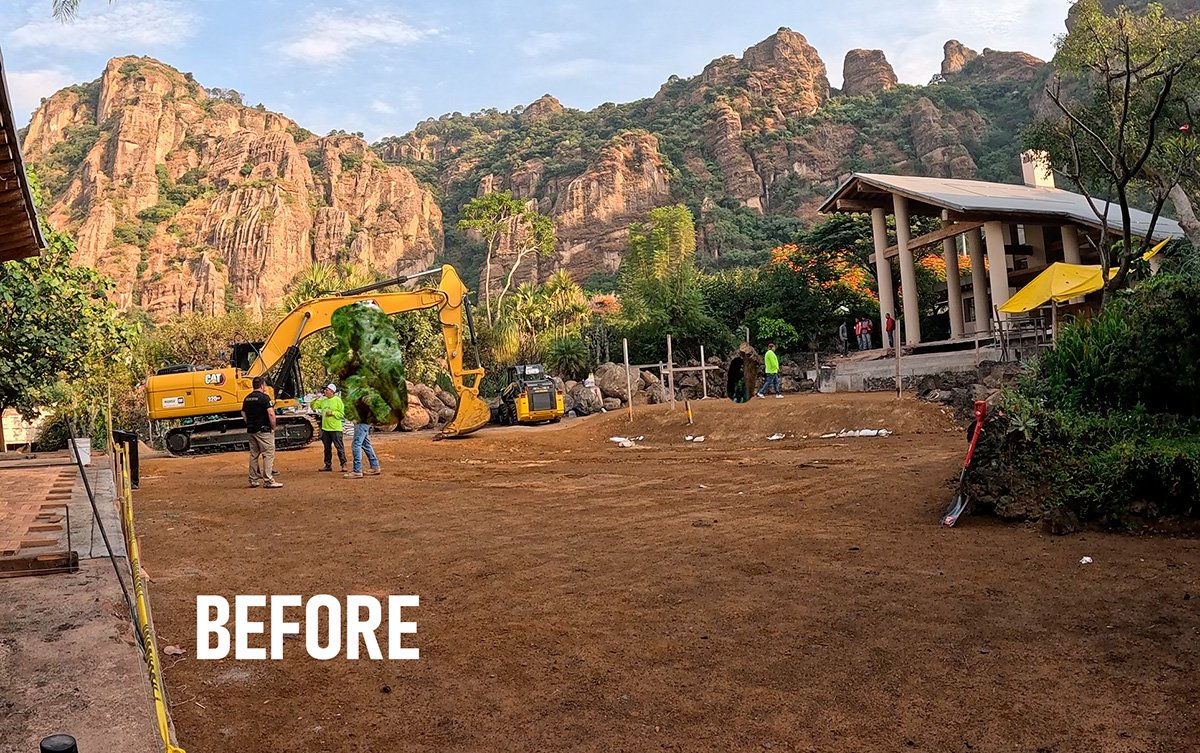
A recreation pond should feel like it belongs to the land – a clear, inviting place where children can swim, adults can unwind, and the view from the patio changes with every season. That vision only holds up when the recreation pond contractor understands far more than excavation and stone placement. They must bring landscape artistry, water-management knowledge, and disciplined construction together from the first site visit.
Unlike a conventional pool, a recreation pond is a living water environment. Its edges, circulation, filtration, planting, boulders, and swimming areas all need to work as one. The right team creates a natural sanctuary that looks effortless while being carefully engineered for years of enjoyment.
What a Recreation Pond Contractor Should Understand
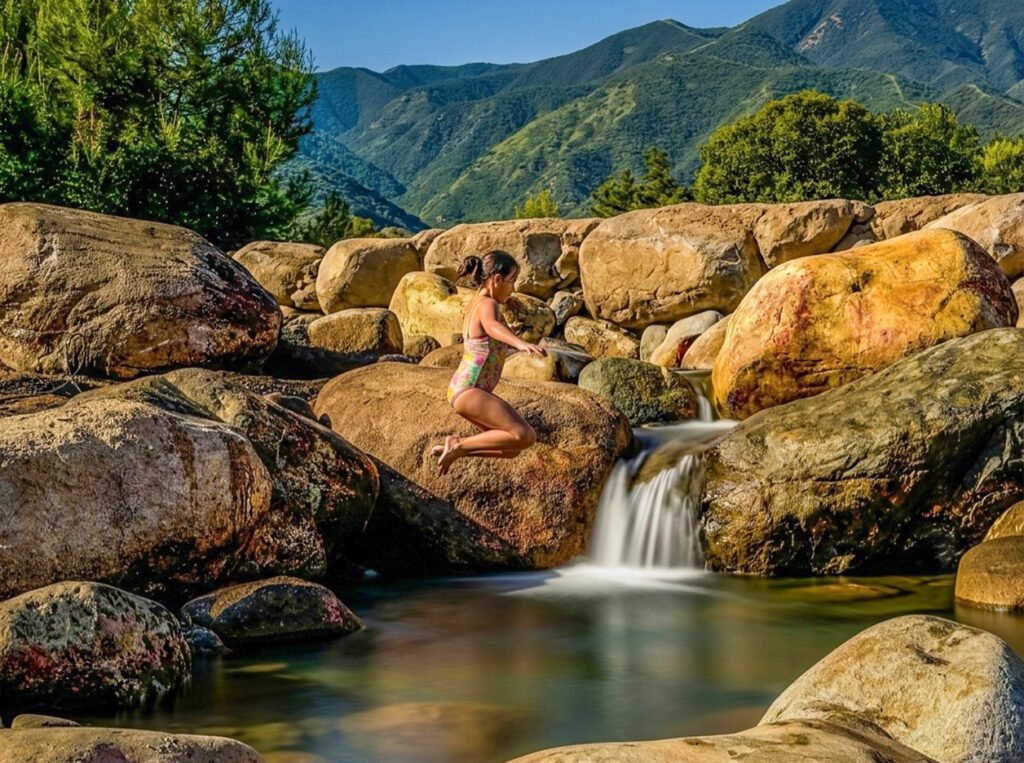
A well-built recreation pond is designed for people and for water. It may include a dedicated swimming zone, a shallow entry for children, a deeper area for floating or cooling off, waterfalls, wetland filtration, underwater lighting, and natural stone shoreline details. Every element affects the next.
The contractor should begin by studying how you want to use the space. A family that wants room for active swimming needs a different layout than homeowners seeking a quiet, resort-like water garden with an occasional place to take a dip. Privacy, views from the home, entertaining areas, sun exposure, access for construction equipment, and existing grade all influence the final design.
Naturalistic work also requires restraint. A pond should not look as though boulders were simply delivered and scattered around a hole. Stone needs to feel anchored in the terrain, waterfalls need believable transitions, and planted areas should soften the edges without crowding the swimming zone. This is where experienced craftsmanship makes a visible difference.
Water Quality Is a Design Decision
Clear water is not created by one piece of equipment. It comes from the relationship between circulation, filtration, pond volume, fish and plant loads, debris management, and the amount of sunlight reaching the water. A recreation pond contractor should be prepared to explain how the system will move water, capture sediment, and support healthy biological filtration.
Wetland filtration is often a beautiful option for natural swim ponds because it can clean water through layers of gravel, plant roots, and beneficial bacteria. But it must be sized and built correctly. An undersized wetland may look attractive while struggling to keep up with the pond’s use, surrounding landscape debris, or summer heat.
The goal is not a maintenance-free pond. No outdoor water feature is entirely maintenance-free. The goal is a system designed for practical, predictable care, with quality components that can be serviced without dismantling the landscape.
Look for Experience Beyond Decorative Ponds
A contractor who builds compact garden ponds may have a strong eye for waterfalls but not necessarily the equipment, site-planning experience, or hydraulic knowledge required for a large swim pond. Recreation ponds bring bigger decisions: excavation depth, soil conditions, drainage paths, access constraints, liner protection, structural stone placement, and safety around the water’s edge.
Ask to see examples that are comparable in scale and complexity to your project. Photos are helpful, but conversation matters too. A qualified builder should be able to describe the site’s challenges, how the pond was filtered, why materials were selected, and what the client needed from the finished space.
Certification and hands-on training also matter. A Certified Aquascape Contractor has specialized education in ecosystem pond construction, but credentials should be paired with real field experience. The strongest teams continue learning from respected builders, manufacturers, and complex projects rather than relying on a one-size-fits-all installation method.
Large Projects Need Clear Project Management
A recreation pond affects much of the backyard, so the work needs thoughtful coordination. The contractor should explain who handles design, excavation, plumbing, electrical coordination, stonework, planting, and final system startup. You should know what is included in the proposal and what may require separate planning, such as fencing, permits, landscape renovation, decking, or outdoor kitchen work.
Clear communication is especially valuable when a property has slopes, limited access, mature landscaping, or a long construction route from the street to the backyard. These are not reasons to avoid a remarkable water feature. They are reasons to hire a builder who plans carefully before machinery arrives.
Questions Worth Asking Before You Sign
A good consultation should leave you with confidence, not pressure. Ask how the contractor approaches pond sizing, filtration, circulation, and long-term maintenance. Ask what happens if site conditions change after excavation begins. Ask whether the team provides seasonal service, cleaning, leak diagnostics, or repairs after the build.
It is also reasonable to ask about materials. Quality liners, underlayment, pumps, plumbing fittings, skimmers, biological filters, and stone installation practices protect the investment beneath the surface. Lower initial pricing can sometimes reflect smaller equipment, lighter materials, or shortcuts that become expensive after a few seasons.
You may want to discuss these practical points during your consultation:
- How will the pond stay clear during warm weather and heavy use?
- Where will leaves, sediment, and surface debris be collected?
- How will the design protect nearby structures and manage rain runoff?
- What ongoing care will the pond require from the owner and service team?
- Can equipment be accessed for inspection and maintenance without disturbing the finished landscape?
The answers should be specific to your property. Broad promises about crystal-clear water or zero maintenance are less useful than a straightforward explanation of how the proposed system will perform.
Avoid Designing Only for the First Reveal
The first day a pond is filled is exciting, but the real test is how it looks and functions five years later. Stone should remain stable. Water should circulate as intended. The liner should be protected from damage. Planting should mature in a way that enhances the design rather than blocking views or taking over shallow areas.
This is why design-build expertise is so valuable. When the same team considers the landscape vision and construction details, decisions are made with the finished environment in mind. A waterfall is shaped for sound, sightlines, and water movement. A swim entry is placed where it feels natural from the patio. Equipment is positioned for performance without becoming the focal point of the garden.
For Bay Area properties, local conditions add another layer of consideration. Hillside grades, clay soils, summer heat, mature trees, and changing water use can all influence the best approach. A contractor familiar with these realities can recommend a design that respects the property instead of forcing a standard layout onto it.
Choose a Partner Who Can Care for the Pond Later
Even the best recreation ponds benefit from professional support. Seasonal cleanings, pump inspections, filter maintenance, water-quality checks, and occasional plant management help preserve the pond’s appearance and performance. If an issue develops, an experienced service team can identify whether it stems from plumbing, circulation, filtration, liner damage, or changing site conditions.
That ongoing relationship is worth considering before construction begins. A contractor who also maintains and repairs water features understands what tends to fail, what is difficult to access, and which construction details make future service easier. Their recommendations are informed by years of seeing ponds after the excitement of installation has passed.
Aquascape Creations approaches recreation ponds as living masterpieces built around the way each client wants to spend time outdoors. From the first conversation through construction and continued care, the focus is on nature-inspired artistry supported by durable materials, clear communication, and proven water-feature expertise.
Your backyard does not need to imitate a resort to become a place your family returns to every day. Start with how you want to feel near the water, then choose a contractor with the experience and care to build that feeling into the landscape.
[…] and homeowner association rules may also affect placement, fencing, electrical work, or setbacks. A qualified design-build team can address those details while protecting the natural character of the finished […]