A truly remarkable pond does not begin with an excavator. It begins with the feeling a property owner wants to have when they step outside: the sound of moving water beyond the patio, koi gliding beneath reflections, children swimming on a warm afternoon, or a quiet edge of nature that makes the entire landscape feel more alive. A large pond builder turns that vision into a working water environment designed for the property, the people who will enjoy it, and the years ahead.
Large ponds demand a different level of thought than a small decorative feature. Their scale creates a powerful opportunity for natural beauty, recreation, and habitat, but it also raises the stakes for grading, circulation, structural details, safety, and long-term care. The best result is never simply a bigger hole filled with water. It is a living masterpiece with a carefully engineered foundation.
What a Large Pond Builder Should Solve Before Construction
The first question is not, “How large should the pond be?” It is, “What should this pond do for your life and landscape?” A koi pond, water garden, recreation pond, and natural swimming pond can all look beautifully organic, yet each has different needs below the surface.
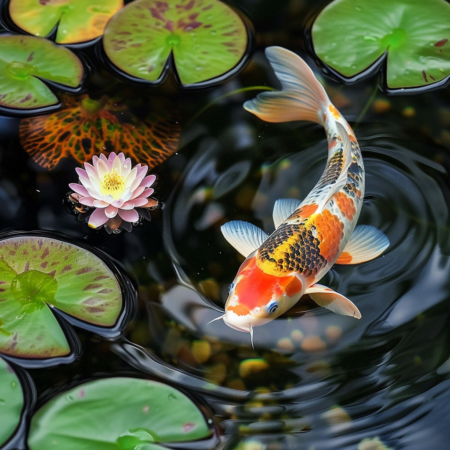
A pond built primarily for koi needs dependable biological filtration, adequate depth, stable water conditions, and areas where fish can shelter. A recreation pond may need a gradual entry, swimming zones, carefully planned depths, and a filtration approach that keeps water clear without making the setting feel engineered. A water garden may place greater emphasis on planting shelves, seasonal color, and views from the home.
Many of the most rewarding projects bring several goals together. A family may want a pond that feels like a private swimming hole, includes a waterfall heard from the kitchen, and still has an edge where grandchildren can watch frogs and dragonflies. That is possible when the design is intentional from the beginning. It becomes difficult when those priorities are added after excavation has already started.
The property itself provides the next set of answers. Slope, soil conditions, drainage patterns, sun exposure, mature trees, access for equipment, existing utilities, and the home’s architecture all influence the final design. On a Bay Area hillside, for example, elevation changes can become part of the experience, creating a waterfall that appears to have always followed the terrain. The same slope may also require thoughtful retaining, erosion control, and water management behind the scenes.
This is where experienced design-build work matters. A naturalistic pond should look relaxed and effortless, but the construction beneath the boulders has to be precise. The water must remain where it belongs. Stormwater must be directed away from vulnerable areas. Pumps and plumbing must be accessible for service. The pond should feel connected to the landscape, not placed on top of it.
Designing Water That Looks Like It Belongs
Natural beauty is rarely accidental. The shape of the shoreline, the placement of larger stone, the rhythm of a stream, and the views from inside the home all affect whether a pond feels convincing. A well-designed water feature has moments of openness and moments of mystery. You may see a broad reflection from one seat, then discover a small cascade or planted cove as you walk around it.
Stone selection is especially important on a large project. Boulders should do more than decorate the edge. They can define transitions, create sitting areas, frame waterfalls, and give the shoreline visual weight. Their size, color, texture, and placement should relate to the home and the surrounding landscape. Too many stones arranged in a uniform ring can make even an expensive pond feel artificial.
Waterfalls deserve the same careful attention. Their sound is shaped by elevation, flow rate, drop height, stone arrangement, and the size of the pools below. A soft, gentle cascade may be ideal beside a bedroom or meditation area. A more energetic waterfall can bring life to a large entertainment space and help mask nearby road noise. Neither is automatically better. It depends on how the space will be used and where the sound will travel.
Planting completes the sense of place. Marginal plants soften pond edges, aquatic plants offer shade and habitat, and surrounding landscape layers help the feature settle into the property. Plant choices should reflect the level of maintenance a client wants, the amount of sunlight available, and the desired look throughout the year. A lush water garden is beautiful, but it is not the same commitment as a cleaner, more open swimming pond.
The Work Below the Waterline Determines Performance
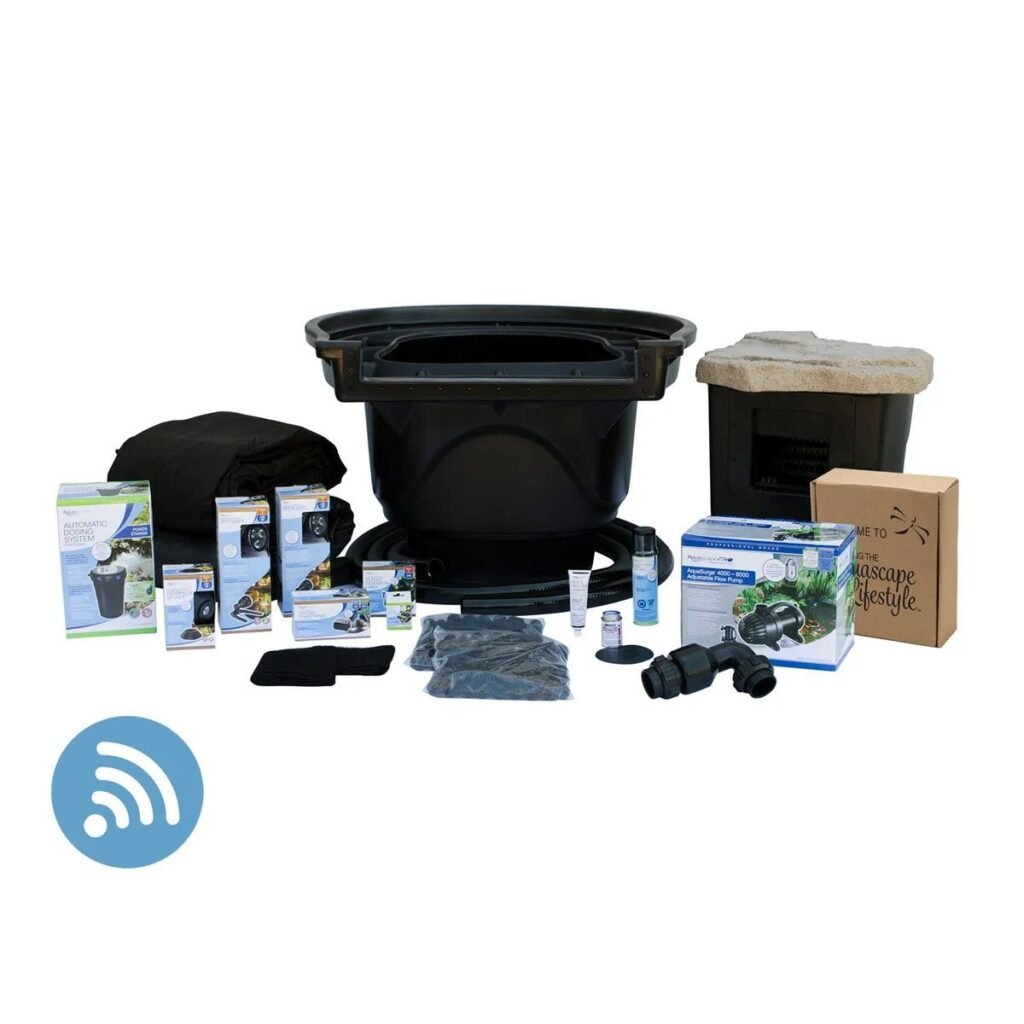
The part of a pond that visitors admire is only part of the project. Pumps, skimmers, intake bays, biological filtration, plumbing, liner systems, underlayment, and carefully built shelves determine whether the pond performs as intended.
Proper circulation is central to healthy water. Stagnant areas allow debris to collect and can make water quality harder to manage. A well-planned system moves water through the pond in a way that supports filtration, directs floating debris toward collection points, and gives waterfalls or streams the flow they need to look natural. The equipment should be sized for the actual pond volume and its intended use, not chosen by guesswork.
Filtration is not a one-size-fits-all decision. Fish load, plant density, sun exposure, leaf drop, swimming activity, and water volume all matter. A large pond with a few fish and abundant planting has different demands than a heavily stocked koi pond. Likewise, a recreation pond benefits from water treatment that supports clear, inviting conditions while maintaining the natural character that drew the owners to the idea in the first place.
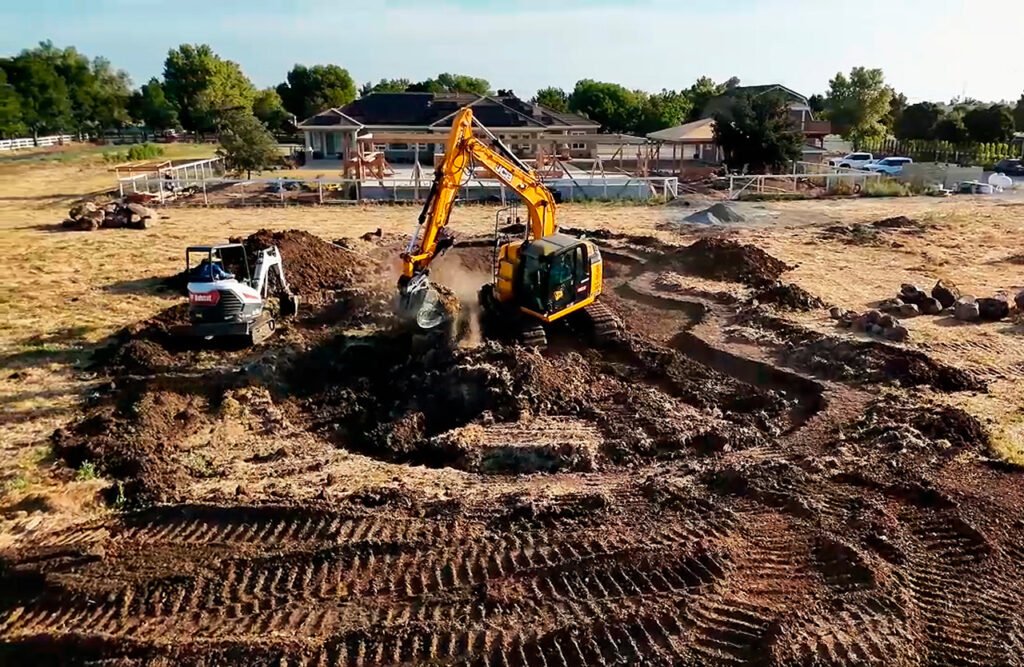
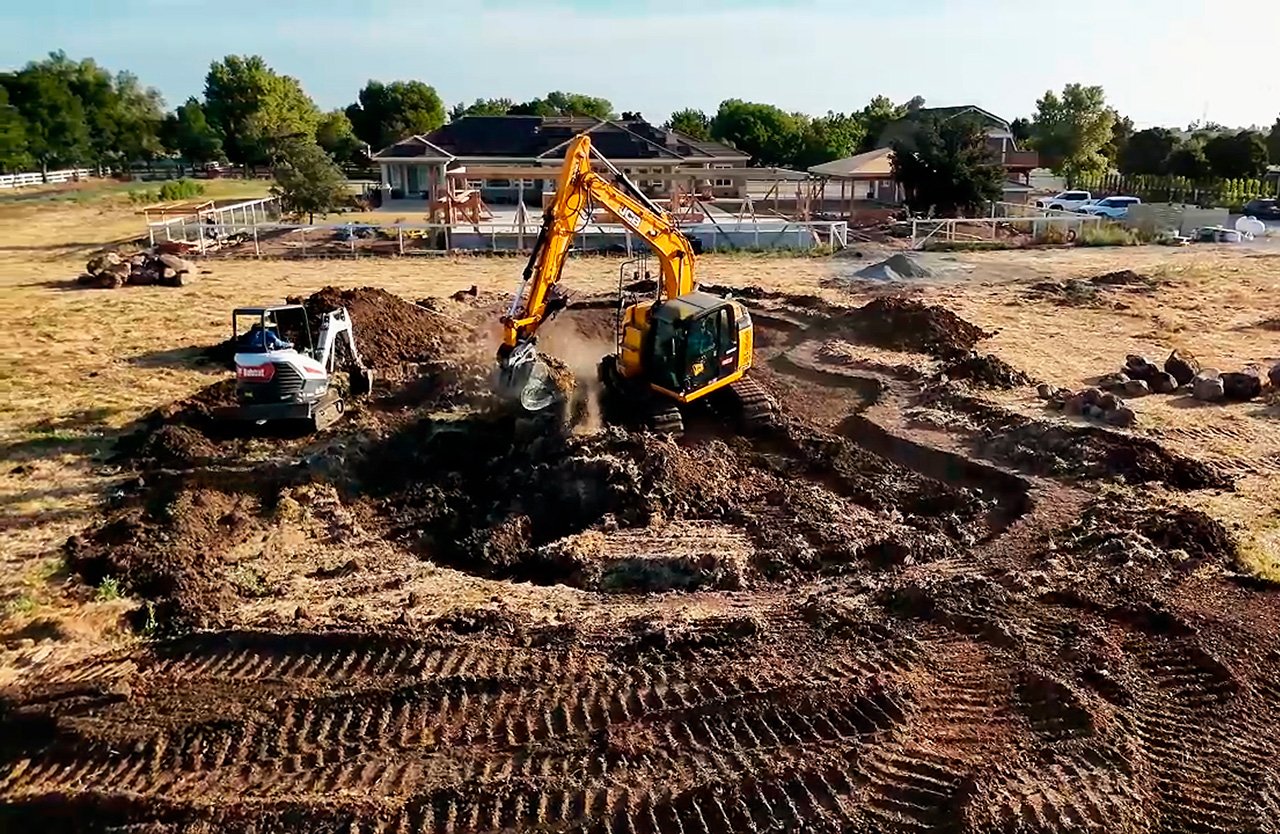
Quality materials are part of long-term peace of mind. Large ponds involve substantial excavation and water weight, so shortcuts in liner protection, plumbing connections, stone support, or equipment selection can become costly later. Skilled construction means anticipating pressure points before they become problems, testing systems during installation, and building access into the project for future service.
At Aquascape Creations, that technical care is paired with a deep respect for the finished landscape. The goal is not to leave a homeowner with a complicated mechanical system to worry about. It is to create a dependable natural sanctuary that can be enjoyed with confidence.
Planning for Maintenance Is Part of Good Design
Every pond needs care. The honest conversation is about what kind of care it will need, how often, and who will handle it. A large pond can be surprisingly manageable when it is designed with good circulation, appropriate filtration, practical access, and a realistic planting plan. It can also become frustrating if maintenance needs were ignored in favor of appearance alone.
Seasonal service may include cleaning debris from collection areas, checking pumps and plumbing, trimming aquatic plants, monitoring water conditions, and preparing the feature for weather changes. Koi ponds may need additional attention based on fish health and feeding habits. Ponds surrounded by deciduous trees often need more fall cleanup than open, sunny installations.
Thoughtful placement of valves, vaults, skimmers, and equipment areas makes service more efficient and less disruptive. This is a small detail during design, but it has a lasting effect on ownership. The same is true for choosing features that suit the household. A homeowner who travels frequently may prefer a simpler planting scheme and professional maintenance support. An enthusiastic gardener may welcome more planting pockets and hands-on seasonal care.
Choosing a Large Pond Builder for a Complex Project
When evaluating a large pond builder, look beyond photographs of finished waterfalls. Portfolio images reveal style, but the conversation should also cover process. Ask how the builder evaluates drainage and site conditions, how equipment will be sized and accessed, what materials will be used below the surface, and who will be responsible for the work from consultation through completion.
It is also worth discussing the project’s purpose in detail. Share how you entertain, whether children or pets will use the landscape, how much privacy you want, and what views matter most from the house. If swimming is part of the plan, say so early. If you have always wanted koi, that should shape the design from day one. Clear communication is one of the strongest protections against a beautiful project that does not quite fit the way you live.
Experience with complex sites is valuable because large ponds often reveal conditions that a simple backyard feature would not. Access constraints, variable soil, slope, existing structures, and drainage can affect schedule and budget. A capable team explains these factors plainly, develops solutions before they become surprises, and treats craftsmanship as a responsibility rather than an upgrade.
A large pond is an investment in the character of a property, but its greatest value is often more personal. It can become the place where mornings start slowly, conversations last longer, and family memories form around water, stone, and the changing seasons. Begin with a builder who listens closely, plans carefully, and sees your landscape not as a job site, but as a place worthy of lasting beauty.