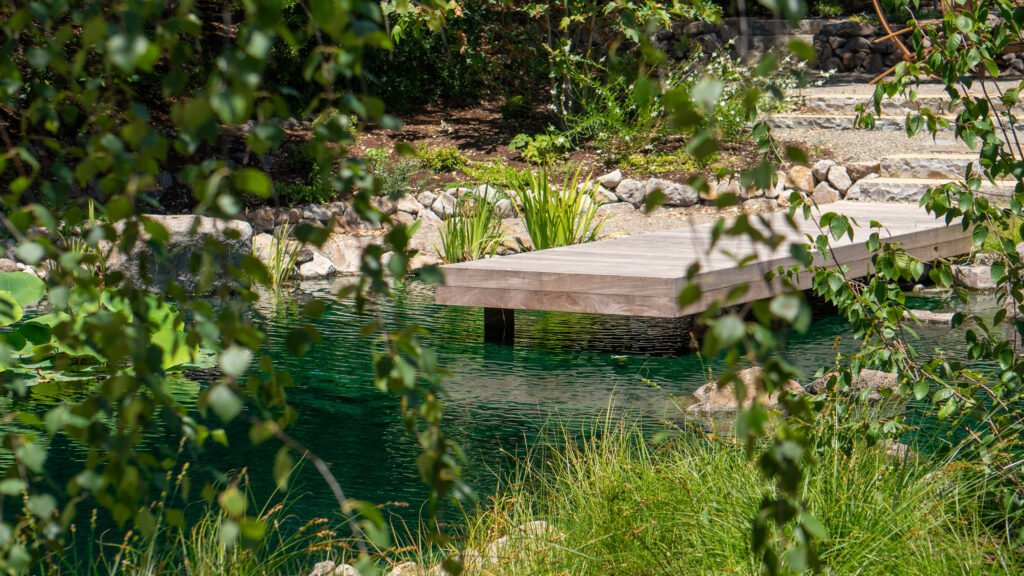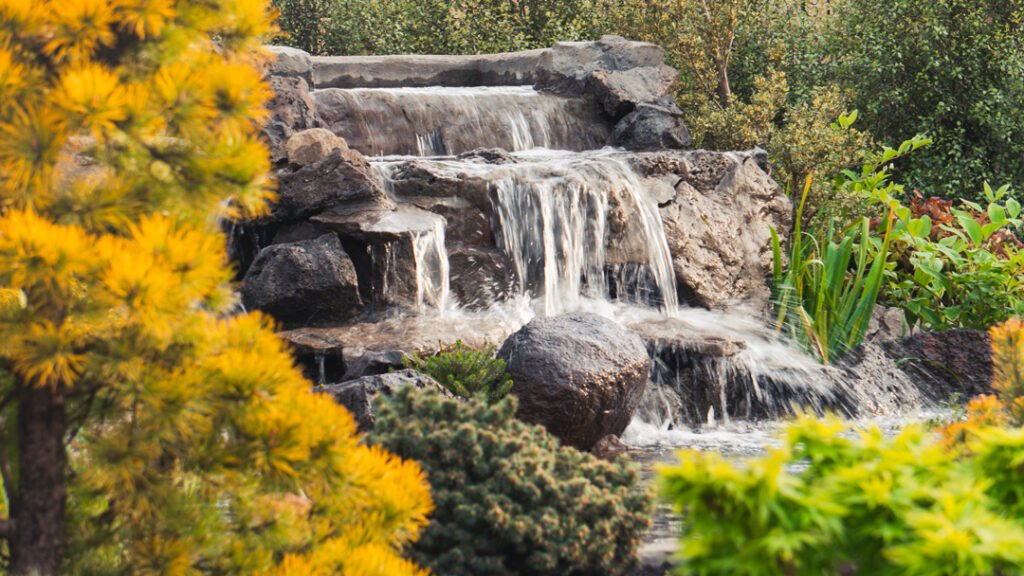
A successful Moraga pond project should feel as though it has always belonged on the property. Water should follow the character of the land, boulders should look settled rather than placed, and the sound of a waterfall should invite you outside without overwhelming the garden. That balance takes more than selecting a pond shape or choosing a waterfall kit. It takes thoughtful design, proper excavation, reliable circulation, and a team that understands how Bay Area landscapes behave over time.
For homeowners in Moraga, a pond can become the heart of a backyard: a place where children watch koi, guests gather near moving water, and the day slows down at the edge of a natural sanctuary. The best projects pair that emotional impact with the practical details that protect your investment for years to come.
Start With How You Want to Live Around Water
The right pond is not always the biggest pond. It is the one that fits the way your family uses the yard. A compact water garden beside a patio may create the peaceful focal point a homeowner wants, while a larger koi pond can become a destination with deeper water, generous viewing areas, and room for fish to thrive. On expansive properties, a recreation or swim pond may support a completely different kind of outdoor life.
Before design begins, it helps to think through the moments you want the feature to create. Do you picture coffee beside a quiet stream, a dramatic waterfall seen from the kitchen, or a pond edge where grandchildren can safely watch fish? Are you looking for an active koi collection, or do you prefer a pondless waterfall with moving water and no open pond? These decisions guide everything from depth and circulation to stone placement and planting.
A naturalistic water feature should also work with the architecture of the home. A more formal residence may benefit from clean sightlines and carefully controlled edges, while a rustic or hillside property can support a looser, more immersive composition. Nature-inspired artistry is never random. It is designed around views, movement, proportion, and the way the landscape unfolds as you walk through it.
What Makes a Moraga Pond Project Different
Moraga properties can offer beautiful opportunities for water features, but terrain and drainage deserve close attention. Sloped yards, changing elevations, mature trees, existing hardscape, and seasonal rain patterns all affect where water can go and how it should be managed.
A waterfall built on a slope may look effortless when complete, yet its structure needs careful planning below the surface. The excavation must establish stable elevations. The liner and underlayment need protection. Boulders must be set securely, not simply stacked for appearance. Water has to return to the pond or reservoir without bypassing the intended path into surrounding soil or planting beds.
Drainage is especially important. A pond should not sit in the path of runoff from a hillside, downspout, or neighboring grade without a plan for handling that water. During heavy rain, uncontrolled runoff can carry sediment into the pond, disturb edges, and create unnecessary maintenance. In some cases, the ideal pond location is not the obvious open space in the yard. Moving the feature a few feet can improve visibility, protect it from runoff, and create a more natural grade transition.
Sun exposure matters as well. Koi and aquatic plants each have needs, while excessive sun can contribute to warmer water and more algae pressure. Too much shade can limit flowering plants and leave a pond hidden when it should be a visual centerpiece. There is no universal perfect location. The best choice depends on the site, the intended use, and the maintenance level the owner prefers.
Build the System, Not Just the View
The visible pond is only part of the project. Healthy, clear water depends on an integrated system that moves water efficiently and filters it biologically and mechanically. Properly sized pumps, skimmers, filtration, plumbing, and returns work together to collect debris, support beneficial bacteria, and keep circulation consistent.
This is where a custom-built pond separates itself from a decorative installation that looks appealing on day one but becomes difficult to manage later. Equipment should be sized for the volume of water, waterfall height, pipe runs, fish load, and desired water movement. Access to pumps and filtration should be planned from the beginning so routine care does not require dismantling stonework or crossing the entire yard with hoses.
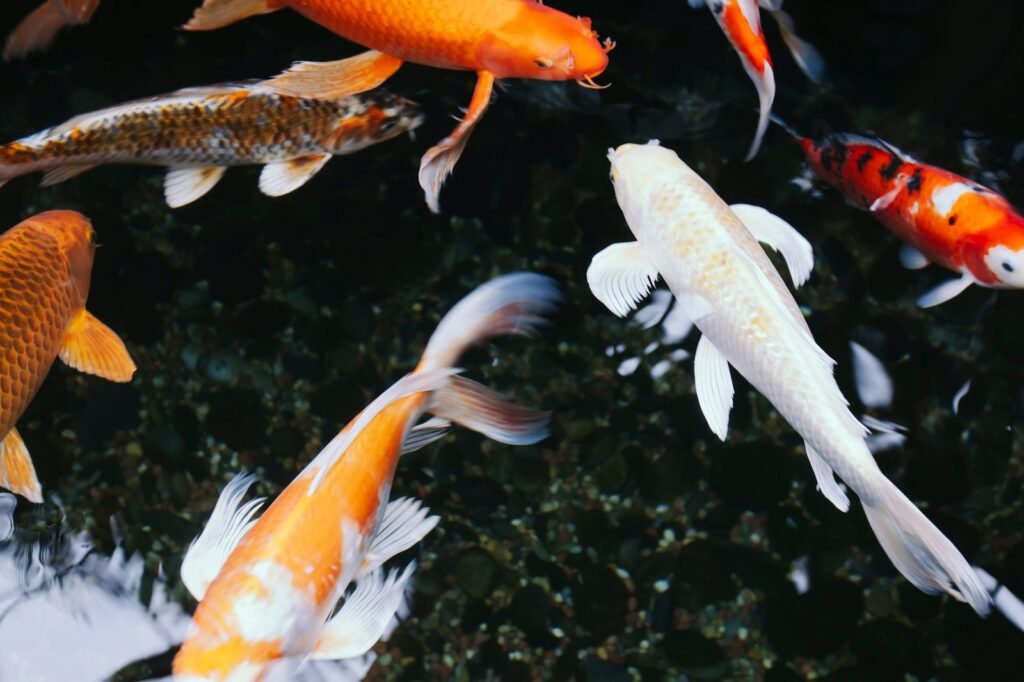
A pond designed for koi needs special consideration. Fish need adequate depth, oxygenation, filtration capacity, and protection from predators. A shallow ornamental basin may be right for aquatic plants, but it is not automatically suitable for a healthy koi environment. Being clear about those goals early avoids costly redesigns after construction.
Designing a Natural Edge That Ages Beautifully
The difference between a convincing pond and an artificial-looking one often comes down to transitions. Water, stone, gravel, plants, and surrounding soil must meet in a way that feels believable. A rigid line of equally sized rocks around the perimeter rarely creates that effect.
Instead, a natural pond edge uses variation. Larger boulders establish structure and visual weight. Smaller stones and gravel soften gaps. Marginal plants can break up edges and connect the water to nearby planting beds. A carefully placed flat stone may become a favorite place to sit, while a partly submerged boulder can create a quiet viewing point for fish.
The goal is not to copy a wilderness creek exactly. It is to create a living masterpiece that belongs to your home and is manageable for your lifestyle. A more planted pond can feel lush and secluded, but it will require pruning and seasonal attention. A cleaner, stone-forward design may be easier to maintain, though it can feel less like a mature garden in the first few years. Both approaches can be beautiful when the choices are intentional.
Waterfall Sound Is a Design Decision
Waterfall sound has a powerful effect on how a space feels. A gentle cascade can soften neighborhood noise and create a peaceful backdrop near a seating area. A taller, more energetic waterfall makes a stronger statement and can be heard from farther inside the home.
Louder is not always better. If the waterfall sits close to a bedroom window or an intimate dining patio, the sound should be tuned to the setting. The shape of each spillway, the drop between stones, and the amount of water moving over the falls all influence the final sound. This is craftsmanship as much as construction. The best waterfall is one you want to listen to every day, not one that competes with conversation.
Plan for Care Before the First Stone Is Set
A well-built pond is designed for enjoyment, but no living water feature is completely maintenance-free. Leaves, fish waste, seasonal temperature changes, aquatic plants, and equipment all require attention. The right design makes that care simple and predictable.
A pond beneath heavy leaf drop may need more frequent skimmer cleaning or seasonal netting. A pond with koi needs feeding habits and water-quality awareness. Plant-heavy water gardens benefit from periodic thinning so they remain balanced. In the Bay Area, maintenance needs also shift with the seasons, particularly after storms or during warm stretches when water conditions can change quickly.
Professional pond maintenance can be especially valuable for homeowners who travel, own a second property, or simply want their water feature cared for with the same attention used to build it. Regular service can identify a weakening pump, a clogged intake, an emerging leak, or shifting stone before a small issue becomes a major repair.
Choose a Builder Who Sees the Entire Property
A pond is not a standalone object. It interacts with patios, paths, drainage, planting, lighting, views, irrigation, and how people move through the backyard. That is why the design conversation should include the complete property, not just the spot where water will sit.
Ask how the builder addresses elevation changes, runoff, equipment access, liner protection, filtration, and long-term maintenance. Ask to see work that reflects the scale and style you have in mind. Most of all, choose a team that listens carefully before proposing a solution. A thoughtful builder will explain trade-offs clearly, whether that means adjusting the pond size, shifting a waterfall, changing the planting approach, or recommending a pondless design instead.
Aquascape Creations approaches each project as a personal landscape transformation, bringing hands-on construction experience, quality materials, and a deep respect for the living systems inside every pond. The finest result is not simply a beautiful photograph at completion. It is a water feature that continues to bring pride, calm, and natural beauty to the property season after season.
A pond should give you a reason to step outside. When its water, stone, plants, and sound are designed with care, that small daily invitation can become one of the most meaningful parts of home.