A beautiful waterfall is not defined by how high it stands or how much water it moves. The best waterfall features feel as though they belong to the property: water slipping between boulders, a quiet pool catching reflections, and a sound that softens nearby traffic without overwhelming conversation. When the design is right, a waterfall becomes the heart of a backyard rather than another landscape accessory.
For Bay Area homes, the strongest results come from matching the feature to the land, architecture, intended use, and the way your family spends time outdoors. A compact courtyard calls for a different approach than a hillside garden, a pool setting, or a large recreation pond.
10 Best Waterfall Features for a Natural Backyard
1. Pondless waterfall cascades
A pondless waterfall is one of the most versatile choices for homeowners who want the movement and sound of water without an open pond. Water disappears into a concealed underground reservoir, then recirculates to the top of the falls. It is a smart fit near patios, entryways, side yards, and spaces where young children or limited square footage make an open pond less desirable.
The best pondless systems do not look like a pile of rocks with water running over them. They use changing elevations, varied stone sizes, natural spill points, and carefully shaped streambeds to create the feeling of a small mountain creek. They can be modest and intimate or broad enough to become a major outdoor-living focal point.
2. Layered boulder waterfalls
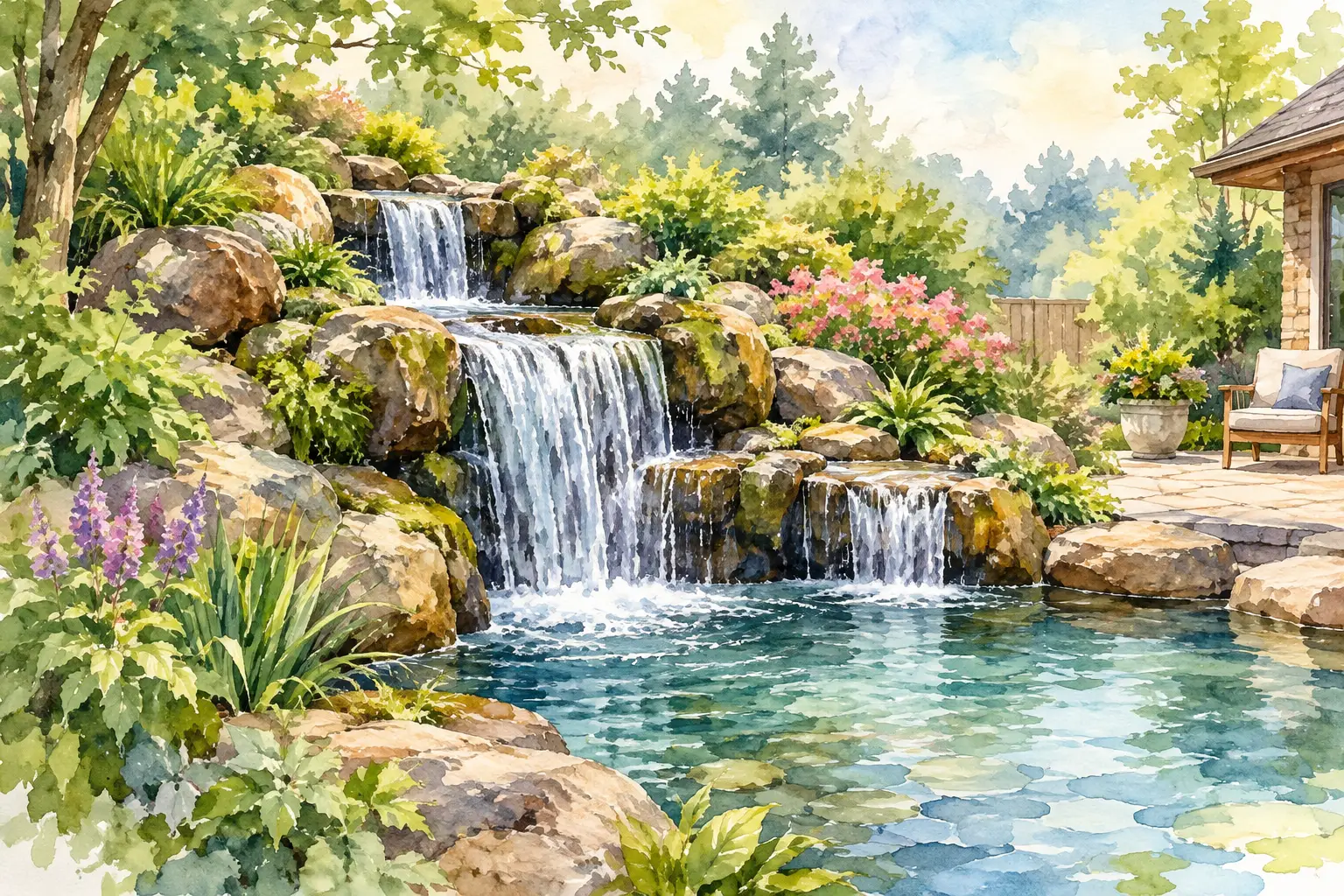
For a property with a slope or a generous planting area, layered boulder waterfalls offer a dramatic, landscape-driven look. Large character boulders establish the framework, while smaller stones, gravel, and planting pockets soften the edges. Water moves in stages, creating changing sounds and visual interest from different viewing angles.
This feature depends on stone placement as much as plumbing. A waterfall can have premium equipment and still look artificial if every rock faces the same direction or every drop is too uniform. Thoughtful construction creates irregularity with purpose, giving water places to sheet, tumble, split, and gather.
3. Pond waterfalls with a natural shoreline
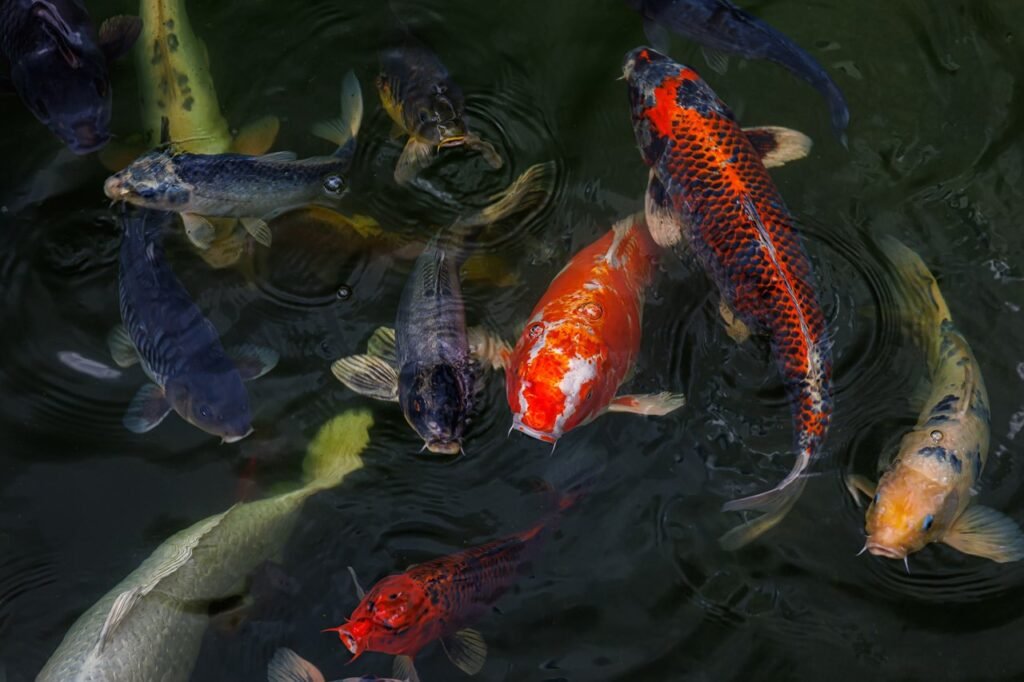
A pond waterfall brings the energy of moving water to a living ecosystem. The falling water helps circulate the pond, supports oxygen exchange, and provides an inviting backdrop for fish, aquatic plants, and outdoor gatherings. It also gives a pond a clear focal point, especially when viewed from a kitchen window, deck, or seating area.
The most successful pond falls are sized in proportion to the water below. A tiny trickle against a broad pond can feel lost, while an oversized waterfall may create too much turbulence for certain fish or make a small yard feel crowded. The goal is balance: enough movement to feel alive, with calm areas where the water can reflect the sky and surrounding garden.
4. Meandering stream waterfalls
A stream is ideal when the landscape has room to tell a longer story. Instead of placing all the action in one vertical drop, a stream carries water through a series of bends, pools, gravel bars, and small cascades before it reaches the pond or reservoir.
This style is especially compelling on sloped sites, where grade changes can be used rather than hidden. It also creates opportunities for lush planting, stepping stones, and multiple moments of discovery. From one seat, you may hear a gentle runnel. From another, you may see water spilling over a broad flat stone. That variety makes a stream feel established rather than staged.
5. Formal falls for contemporary architecture
Naturalistic does not have to mean rustic. Homes with clean lines, refined hardscape, and contemporary materials can support a waterfall with a more controlled profile. A precise stone weir, a simple recirculating channel, or a restrained wall of water can complement modern architecture while still bringing the restorative presence of moving water outdoors.
The trade-off is that formal features require exact construction. Water must enter evenly, edges must remain level, and the basin must be designed for the intended flow. These details are less forgiving than a loose, woodland-style cascade, but the result can be striking when the feature and home speak the same design language.
6. Grotto and hidden-sitting-area falls
For clients who want a truly immersive landscape, a waterfall can frame a secluded sitting area or create a grotto-like destination. Stonework rises around the feature, planting adds privacy, and the sound of water helps separate the space from the rest of the yard.
This is not the right choice for every property. It requires enough room for safe access, comfortable seating, drainage, and ongoing maintenance. When designed well, though, it turns a backyard into a natural sanctuary where a morning coffee or evening conversation feels removed from the pace of the day.
7. Swimming pool and spa spillover waterfalls
A waterfall can connect a pool or spa to the surrounding landscape, reducing the visual divide between recreation space and garden. Rather than treating the pool as a standalone hardscape element, natural stone falls and planted edges can make it feel rooted in the site.
Water volume matters here. A lively poolside fall can create welcome energy during family gatherings, but a quieter spillway may be better for a space intended for relaxation. Equipment placement also deserves careful planning, since a feature that sounds wonderful at the water’s edge should not create unwanted noise near a bedroom or neighbor’s patio.
8. Recreation pond waterfalls
A recreation pond waterfall pairs beauty with a place to swim, float, and spend time with family. The falls become the visual anchor, while the pond itself supports a more active outdoor experience than a traditional ornamental water garden.
Because people will be in the water, the construction must account for circulation, filtration, access, depth transitions, stone stability, and safe edges. This is where experienced design-build work matters. The waterfall should look spontaneous and natural, but the system behind it needs to perform reliably through heavy use and changing seasons.
9. Low-profile courtyard waterfalls
Not every remarkable water feature needs a large footprint. A low-profile waterfall can transform a small garden, covered patio, or protected courtyard. Often, the most effective design is a short sequence of broad spills over textured stone, paired with fine-leaf plants and seating positioned close enough to enjoy the sound.
In a compact setting, restraint is usually the advantage. Too many drops, oversized boulders, or excessive flow can make the area feel busy. A calmer feature with a clear viewing angle often has more presence and is easier to maintain.
10. Waterfalls with thoughtful lighting and planting
Lighting and planting are not afterthoughts. They are what keep a waterfall interesting after sunset and through the seasons. Warm, carefully placed lights can reveal the face of a boulder, catch moving water, and guide the eye without turning the feature into a stage set. Subtle illumination is generally more inviting than bright, evenly lit water.
Planting provides the final layer of natural character. Marginal plants at a pond edge, grasses along a stream, and groundcovers tucked between stones help settle the feature into the landscape. The right palette depends on sun exposure, water use, and the desired level of upkeep. A skilled builder plans pockets for planting from the beginning rather than trying to force greenery into leftover gaps.
What Makes a Waterfall Last
The best waterfall features are beautiful because they are built to stay beautiful. Beneath the stones, that means properly sized pumps, dependable plumbing, effective filtration where needed, stable underlayment, carefully installed liner, and access points for service. It also means shaping the watercourse so water stays where it belongs instead of escaping behind boulders or eroding nearby soil.
Maintenance should be part of the design conversation, not an unpleasant surprise after installation. Ask where the pump can be reached, how seasonal debris will be managed, whether the feature can be shut down if needed, and how the system will be inspected over time. A well-built waterfall is not maintenance-free, but it should be straightforward to enjoy and service.
At Aquascape Creations, we believe a water feature earns its place by bringing joy year after year, not simply by making an impression on installation day. Start with the feeling you want when you step outside, then let the terrain, stone, water sound, and craftsmanship shape a waterfall that feels like it has always belonged there.