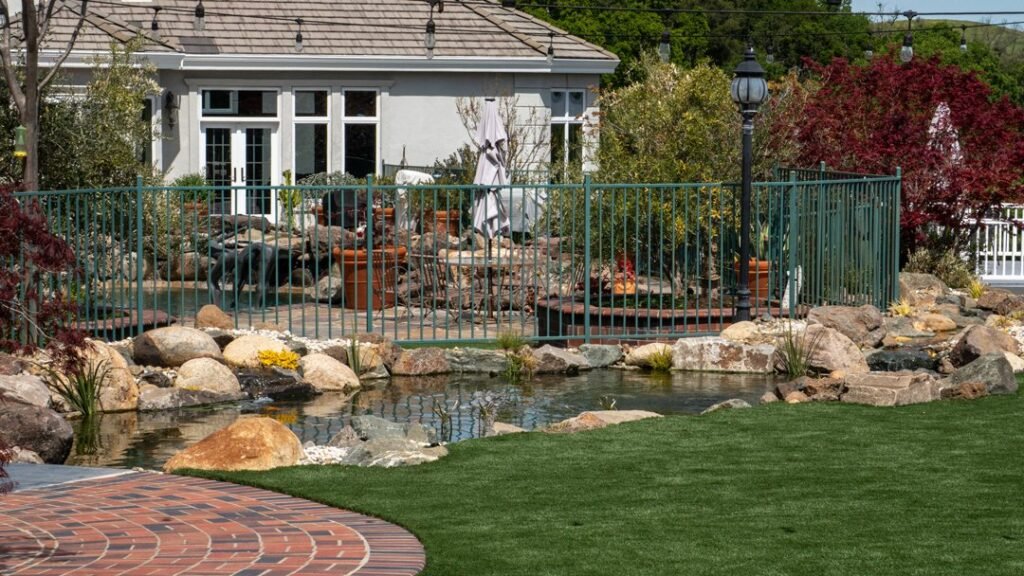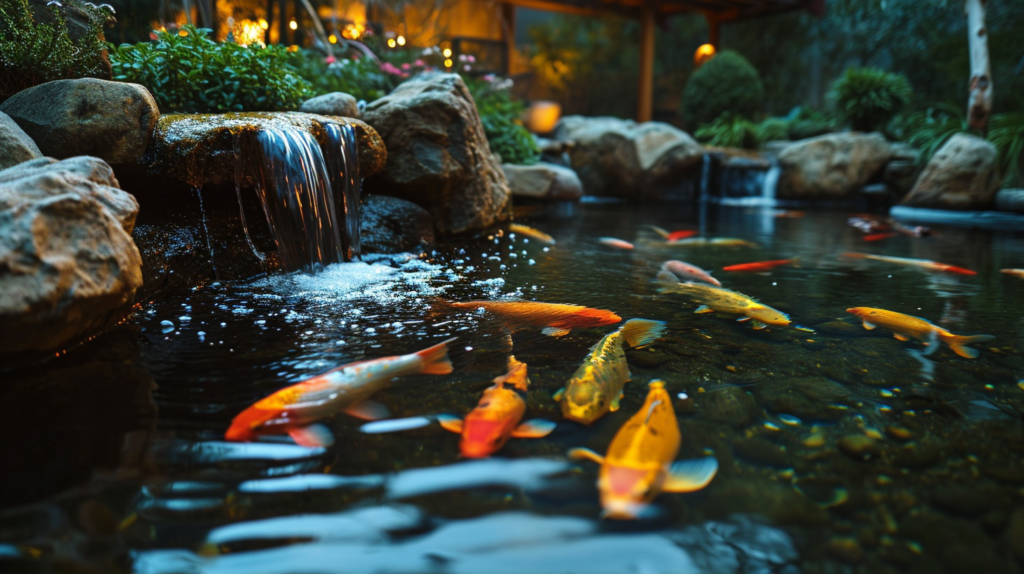
A waterfall should make a backyard feel more inviting, not give mosquitoes another reason to visit. So, do pondless waterfalls attract mosquitoes? When they are properly designed, built, and maintained, pondless waterfalls are generally far less likely to support mosquitoes than standing-water features. The difference comes down to circulation, drainage, and the details that are easy to overlook beneath the beauty of falling water.
For Bay Area homeowners planning a natural sanctuary, this is welcome news. A pondless waterfall can bring the sound, movement, and nature-inspired artistry of water to a patio, garden, entry, or outdoor living space without creating a permanent open pond. Still, “pondless” does not automatically mean “mosquito-proof.” A poorly installed system, a neglected basin, or a nearby source of stagnant water can change the picture.
Why Mosquitoes Need Still Water
Mosquitoes do not need a large pond to reproduce. Many species can lay eggs in remarkably small amounts of calm water: a clogged gutter, an overturned cover, a saucer beneath a pot, or a shallow puddle that remains after irrigation. Their larvae need water that stays still long enough for them to develop.
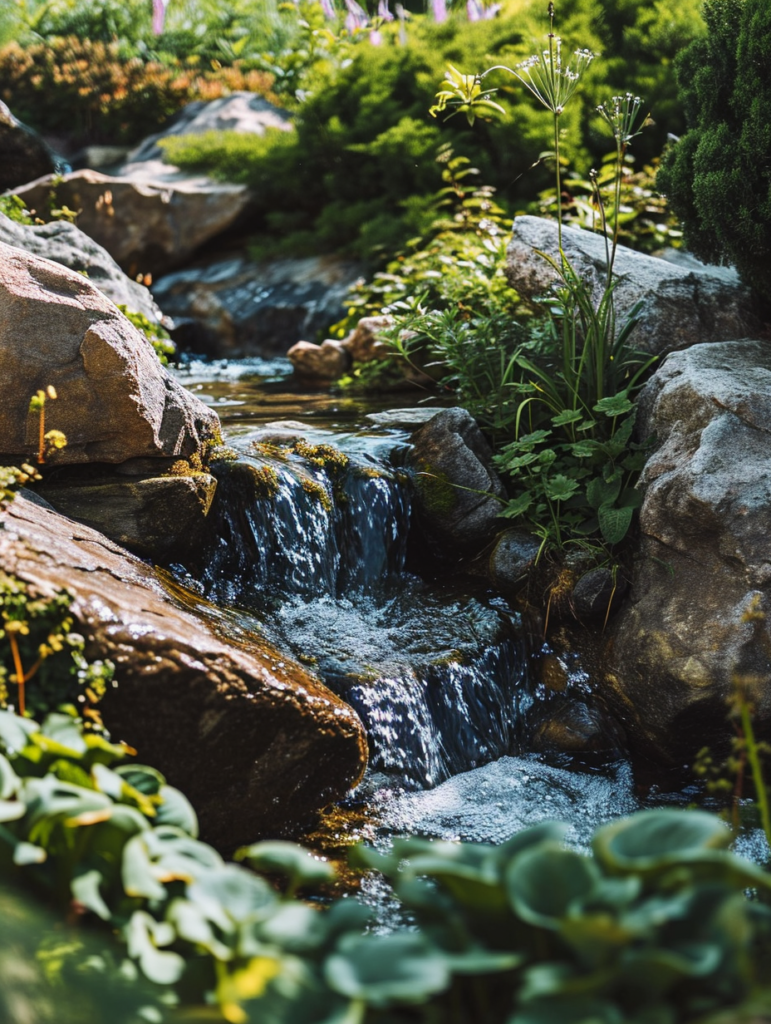
A functioning pondless waterfall is designed to prevent that condition. Water spills over natural stone, disappears into a concealed gravel basin, and is collected in an underground reservoir before a pump sends it back to the top. The water is continually moving during operation, which makes the feature a poor place for mosquito larvae to establish themselves.
The moving water above ground gets most of the attention, but the hidden reservoir matters just as much. A professionally constructed basin uses the right liner, underlayment, vaults, plumbing, pump capacity, and gravel arrangement to keep water circulating efficiently and to avoid exposed pockets of stagnant water.
Do Pondless Waterfalls Attract Mosquitoes? Usually, No
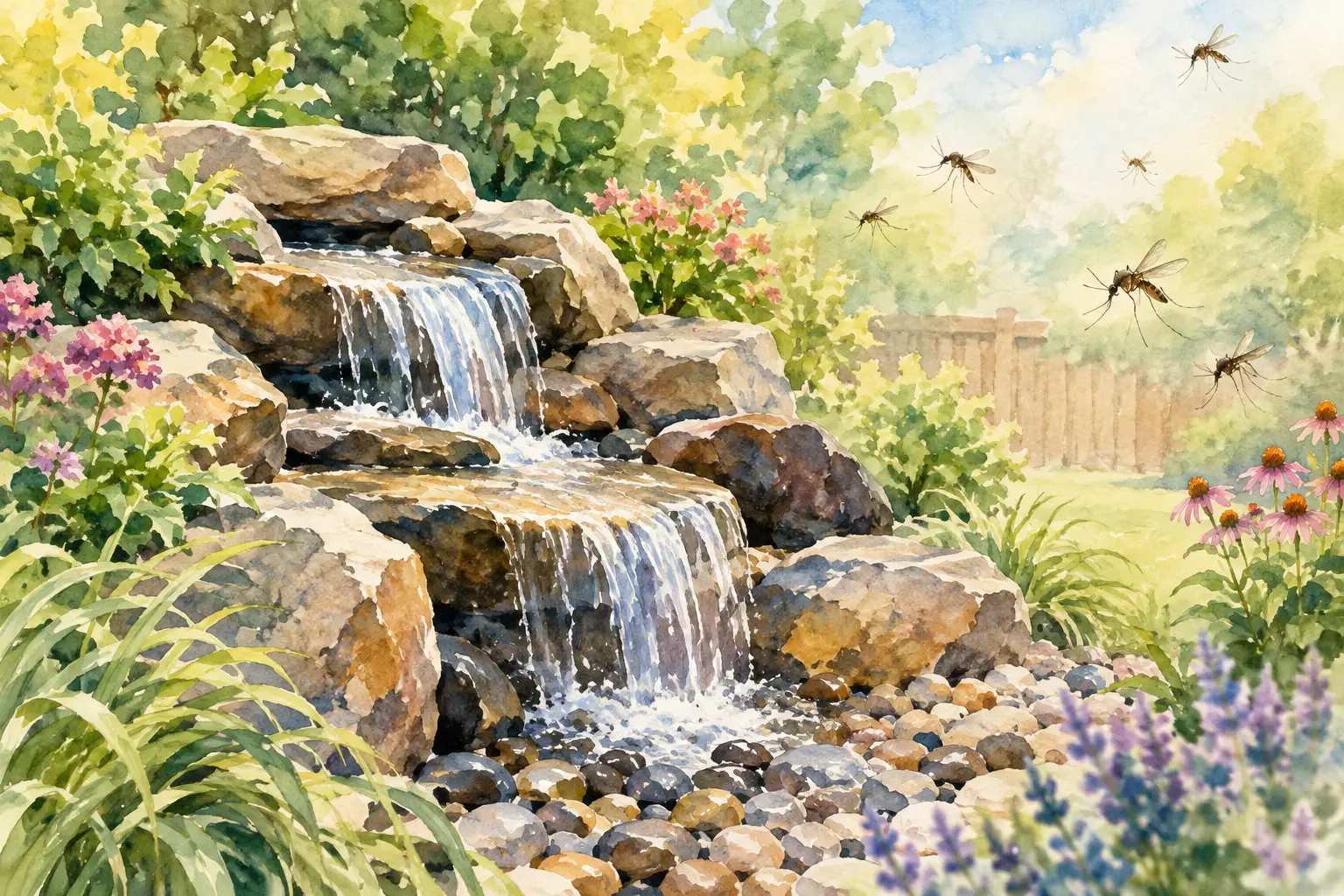
A pondless waterfall may attract the occasional adult mosquito that is already passing through the landscape, just as any shaded garden can. That is different from becoming a breeding source. A well-running waterfall does not provide the quiet, exposed water mosquitoes prefer for laying and developing larvae.
In fact, a pondless design removes one of the common concerns people have about conventional water gardens: a broad area of open water that may become still if circulation fails. The reservoir is concealed, and the visible water is in motion. For families who want the sensory joy of a waterfall without the commitment of fish care or a larger aquatic ecosystem, that combination is a meaningful advantage.
There is a practical trade-off, though. Pondless systems rely on a pump. If the pump is turned off for long periods, trips a breaker, becomes clogged, or fails, water in the basin can become stagnant. It usually takes more than a brief interruption for mosquito larvae to become a concern, but a feature left inactive for days or weeks deserves attention.
What Can Create a Mosquito Problem Around a Waterfall?
The waterfall itself is often blamed when the true source is somewhere nearby. Water features tend to make people look more closely at their landscape, which can reveal existing drainage and irrigation issues that had gone unnoticed.
A few conditions deserve a closer look.
An Underperforming or Stopped Pump
If the waterfall is not flowing as it should, do not treat it as a cosmetic issue. Reduced flow can point to debris around the intake, low water levels, a plumbing restriction, or a pump nearing the end of its service life. Restoring circulation protects both the appearance and the health of the feature.
A pump should be sized for the waterfall’s width, height, stream length, and desired sound. An undersized pump may leave sections of the stream weak or dry, while an oversized pump can create splash-out and unnecessary water loss. Proper design is not just about visual impact. It supports dependable operation.
Low Water and Hidden Leaks
All water features lose some water through evaporation and splash, especially during warm, dry weather. But repeated low-water conditions can cause a pondless waterfall to shut down or run inconsistently. That is when a small maintenance concern can become a standing-water concern.
Sometimes the issue is simply a stream stone directing water outside the liner. Other times it is a plumbing connection, liner issue, or reservoir problem that calls for experienced leak diagnosis. Prompt repair helps preserve the feature’s long-term performance and keeps the water where it belongs.
Debris in the Reservoir or Intake Area
Leaves, mulch, and sediment naturally find their way into outdoor water features. Over time, organic debris can collect around the pump intake or within parts of the basin. It may not create a mosquito habitat on its own, but it can restrict circulation and reduce water quality if ignored.
Seasonal cleaning is especially useful beneath deciduous trees and in heavily landscaped yards. Removing buildup, checking the pump vault, and flushing debris from accessible areas keeps the system operating with the quiet confidence it was designed to deliver.
Standing Water Elsewhere in the Landscape
The biggest mosquito contributor may be a few feet away from the waterfall. Check plant containers, patio furniture covers, unused buckets, drainage swales, corrugated drainpipe outlets, birdbaths, and irrigation overspray. Even a beautifully built pondless waterfall cannot compensate for several small, stagnant water sources nearby.
Design Choices That Keep Water Moving
A pondless waterfall is more than a pile of attractive boulders with a pump behind it. Its performance depends on the construction below the surface and on how the feature works with the property’s grade, planting, hardscape, and drainage.
The reservoir should have sufficient storage volume for the feature and a properly protected pump vault that allows access for maintenance. The liner must extend and fold correctly to contain water even when the stream is flowing at full volume. Rock placement should guide water back into the system rather than over an edge, under a loose stone, or into adjacent soil.
Placement matters, too. A waterfall near a patio may be designed for a stronger, livelier sound that softens neighborhood noise. A garden waterfall may use gentler cascades and planting pockets for a more secluded feeling. In either case, the design needs to account for wind, sun exposure, leaf drop, slope, and where excess rainwater travels.
At Aquascape Creations, we see the best long-term results when a water feature is treated as part of the entire landscape, not as an accessory placed on top of it. That approach creates a more convincing natural appearance while helping prevent the drainage and circulation problems that cause unnecessary maintenance later.
Simple Maintenance for a Mosquito-Resistant Waterfall
Pondless waterfalls are often lower-maintenance than ponds, but low-maintenance does not mean no-maintenance. A few regular habits make a major difference.
Run the waterfall consistently during the season when you enjoy it most, and investigate any sudden change in flow or sound. Check water levels periodically, particularly after hot weather, windy days, or an adjustment to the stonework. Clear leaves and debris from the stream and intake area before they can restrict the pump.
If you prefer to turn the feature off for an extended vacation or part of the year, drain or manage the reservoir according to the system’s design and local conditions rather than leaving water idle. A qualified maintenance professional can inspect the pump, plumbing, reservoir, and stonework before seasonal startup or shutdown.
Mosquito control products should not be the first answer to a waterfall concern. Correct circulation and removal of nearby standing water address the cause. If mosquito activity remains unusually high, it may be worth evaluating the broader property for drainage issues or consulting a local pest-management professional.
A Water Feature Should Feel Like an Escape
The goal of a pondless waterfall is not merely to add moving water. It is to create a place where the rush of a cascade, the texture of natural stone, and the changing light of the garden make everyday time outside feel more restorative.
With thoughtful design and attentive care, mosquitoes do not have to stand in the way of that experience. Keep water circulating, address low-water or pump issues quickly, and pay attention to the small stagnant-water sources around the yard. Then your waterfall can do what it was meant to do: turn a corner of the landscape into a living masterpiece that invites people to linger.