
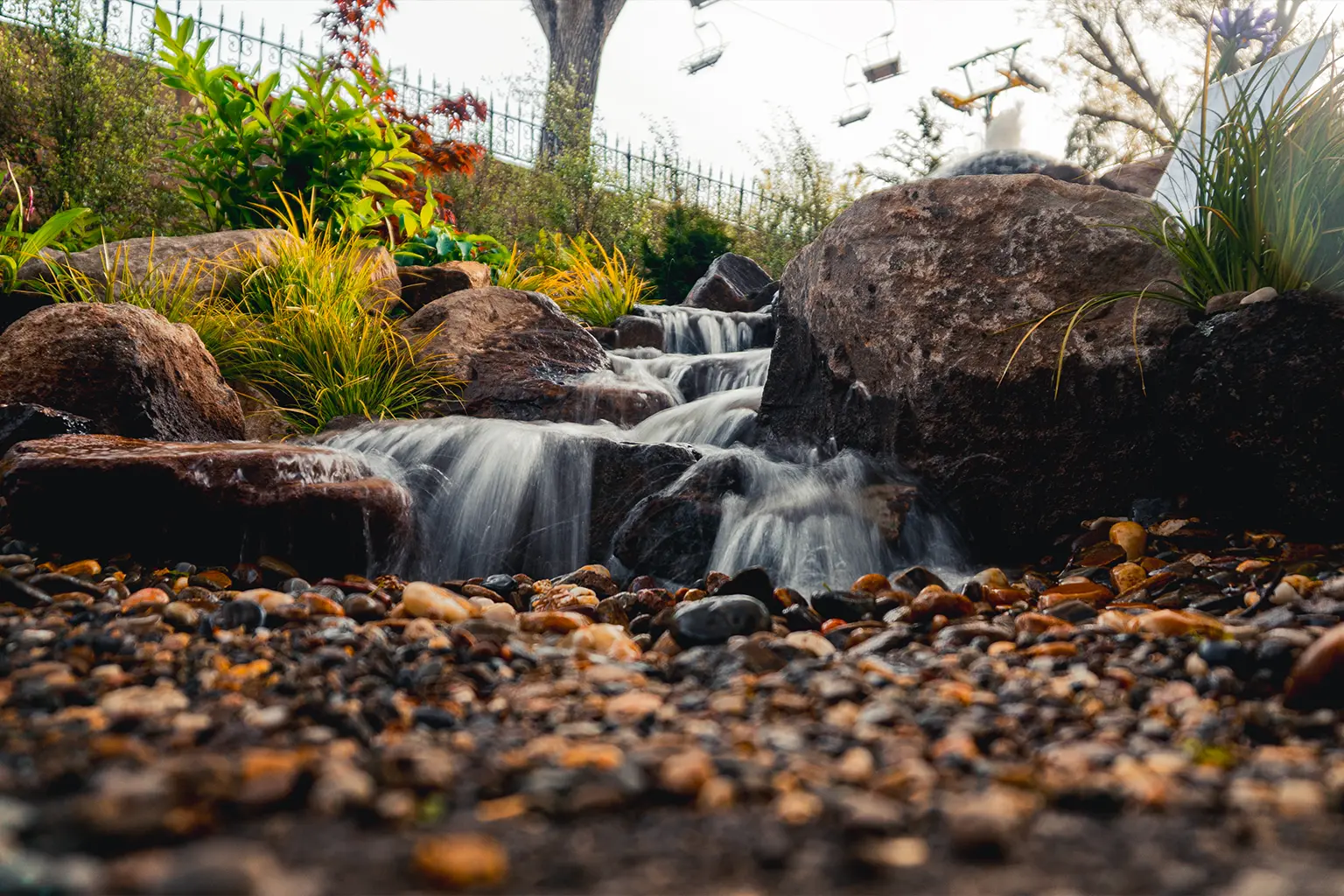
A waterfall that sounds beautiful from the patio but disappears under traffic noise is not doing its job. A pond that looks perfect in a sketch but sits in the hottest, leafiest corner of the yard can become more work than wonder. This backyard water feature planning guide starts where a successful project truly begins: with how you want to live around water, not simply where you can fit it.
A thoughtfully built water feature can become a living masterpiece – a place for morning coffee, family gatherings, quiet reflection, and the changing life of fish, plants, and birds. Getting there requires more than choosing a pond shape or picking out stone. It requires a clear understanding of your site, your goals, and the systems that will keep the feature performing beautifully for years.
Start With the Experience You Want to Create
Before discussing dimensions, pumps, or rockwork, consider the moments you want the water feature to serve. Do you picture a koi pond viewed from the kitchen window? A pondless waterfall beside an outdoor dining area? A water garden that draws pollinators? Or a recreation pond designed for swimming, gathering, and a more immersive connection to nature?
The answer shapes nearly every design decision. A pond built for fish needs depth, circulation, filtration, and areas of refuge. A pondless waterfall may be ideal for a household that wants the sound and movement of water with less ongoing care and no open pond. A larger natural swim pond calls for a different level of site planning, engineering, access, and long-term stewardship.
It also helps to decide what role the feature should play in the wider landscape. Some projects are meant to be a dramatic focal point seen from the home. Others work best as a destination, revealed along a garden path or beyond a seating area. Neither approach is automatically better. The right choice depends on the views you value, the way your family uses the yard, and the degree of privacy you want.
Read Your Property Before You Design
Naturalistic water features should feel as though they belong to the land. That does not mean ignoring difficult terrain. It means using it intelligently. A slope can create the elevation needed for a convincing waterfall. A level yard may require carefully built berms and stonework to give water movement a believable origin.
During early planning, look closely at drainage, sun exposure, existing trees, utilities, access, and sightlines. Water always finds a path, so grade and stormwater behavior deserve careful attention. A feature should be protected from runoff carrying soil, mulch, lawn treatments, or debris into the water. It should also be positioned so normal maintenance access does not require crossing delicate planting beds or squeezing equipment through an impractical side yard.
Sun is another trade-off. Aquatic plants often appreciate sunlight, while excessive heat can encourage algae and raise water temperatures, especially in smaller ponds. Mature trees offer welcome shade and a sense of enclosure, but falling leaves, roots, and seasonal debris can increase maintenance. A skilled designer balances these factors rather than treating any one of them as a deal-breaker.
For Bay Area properties, microclimates matter. A sunny Livermore backyard, a breezier hillside property in Moraga, and a shaded garden in San Jose can have very different water, plant, and evaporation considerations. Local experience helps turn those conditions into design advantages.
Plan Views, Sound, and Nighttime Use
Water is experienced with more than the eyes. Stand where you relax, cook, entertain, and enter the yard. From those places, ask what you want to see and hear. A cascade may need more elevation or a different drop pattern to create a sound that carries across an open patio. In a compact courtyard, a gentler flow may be more appropriate than a loud waterfall that overwhelms conversation.
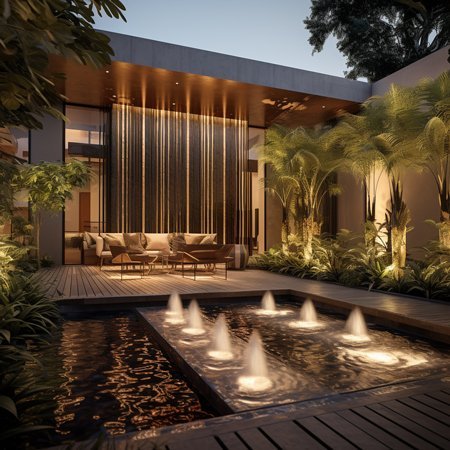
Night lighting deserves attention early, not after construction. Subtle illumination can reveal moving water, highlight a specimen boulder, and extend the use of the space without making it feel like a stage set. The most successful lighting is usually felt before it is noticed.
Choose the Right Type of Water Feature
A water feature should suit the household as much as it suits the landscape. The best choice is not always the biggest one.
A koi or garden pond creates a rich, interactive environment. Fish, water lilies, marginal plants, and stone edges bring constant seasonal interest. In return, it needs dependable filtration, proper depth, thoughtful fish care, and a realistic maintenance plan. For many owners, that ongoing relationship with the pond is part of its appeal.
A pondless waterfall recirculates water into a concealed underground basin. It offers the movement and sound of a stream or cascade without a visible body of water. This can be an excellent fit for families with young children, homeowners who travel frequently, or properties with limited space. It still needs quality components and periodic care, but typically avoids the fish and ecosystem management of a traditional pond.
Water gardens place more emphasis on planting and reflective water, while recreation and large swim ponds create a broader landscape environment for activity and gathering. Larger projects require a more detailed conversation about structural design, water quality, circulation zones, permitting where applicable, and how the feature will be used throughout the year.
Build the Budget Around What Lasts
A custom water feature budget is shaped by size, site access, excavation conditions, stone selection, complexity, filtration, electrical work, planting, and finishing details. A simple price-per-square-foot approach rarely captures the difference between a decorative installation and a durable, ecologically balanced water environment.
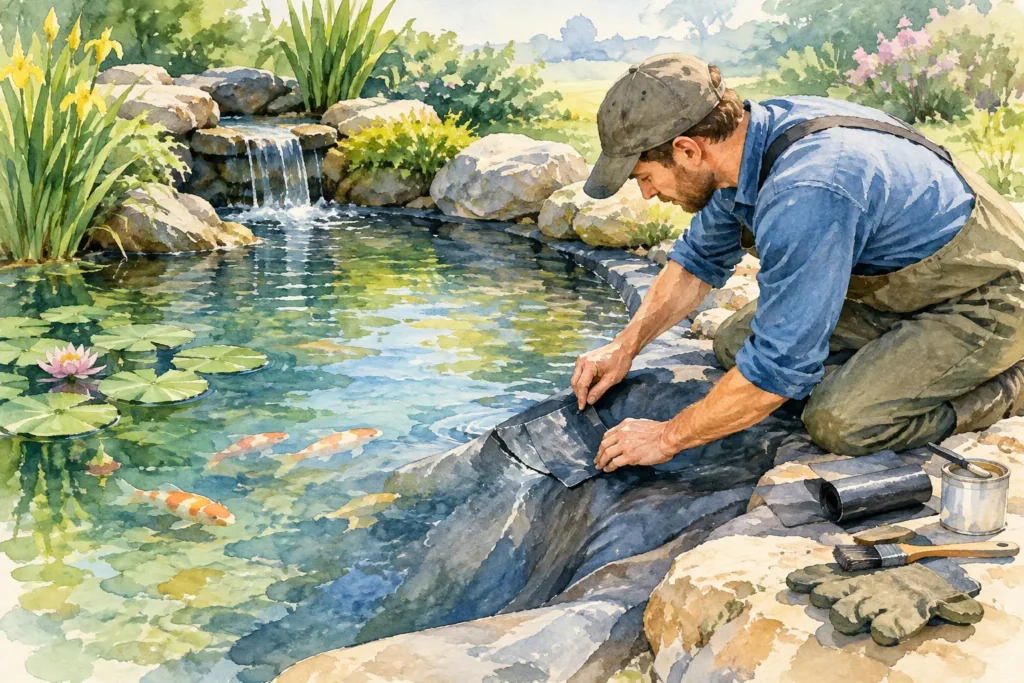
The components hidden beneath the stone are especially important. A properly sized pump, well-designed plumbing, dependable filtration, protective underlayment, and quality liner all support the visible beauty above. Cutting corners here may reduce the initial investment, but it can lead to weak circulation, difficult repairs, leaks, or expensive retrofits later.
There are also choices that can be phased. A homeowner might establish the pond, waterfall, and core planting first, then add a patio extension, additional landscape lighting, or a nearby fire feature in a later stage. Phasing can work well when it preserves the integrity of the main system. It works poorly when it forces a crew to undo finished stonework or disturb a completed landscape just to reach essential infrastructure.
Design for Maintenance, Not Just Opening Day
Every water feature needs care, but good planning makes that care manageable. Ask early who will clean the feature, monitor the system, trim aquatic plants, service pumps, and respond if water levels change. If you enjoy hands-on pondkeeping, a living pond can become a rewarding part of your routine. If you want the landscape to remain beautiful with minimal involvement, the design should reflect that preference.
Maintenance starts with access. Skimmers, pumps, filters, valves, and electrical connections should be reachable without dismantling stonework or trampling the garden. A feature should be designed to make routine service straightforward, while still concealing mechanical elements from everyday view.
Seasonal changes matter as well. Leaves, pollen, heat, storms, and plant growth all affect a pond differently across the year. A professional maintenance program can protect water quality, preserve equipment life, and catch small concerns before they become disruptive repairs. That is particularly valuable for larger ponds, aging systems, and properties where the owner is away often.
Work With a Builder Who Understands Water
A natural-looking waterfall is not created by stacking random boulders. Its stone must guide water in believable directions, keep water within the liner, resist shifting, and remain serviceable over time. The same is true of ponds: they need biological balance and sound construction beneath the surface, not just an attractive edge on installation day.
Look for a design-build team that can explain how the feature will function, not simply how it will look. You should receive clear communication about construction access, drainage, electrical needs, equipment placement, expected maintenance, and the decisions that affect cost. For complex projects, experience coordinating the full process is as valuable as artistic vision.
Aquascape Creations approaches each project as nature-inspired artistry supported by proven construction methods, quality materials, and hands-on craftsmanship. Whether the vision is an intimate waterfall or a large recreation pond, the goal is a remarkable space that feels personal to the property and dependable in daily life.
The best time to make careful choices is before the first boulder is set. When your water feature reflects your routines, respects the terrain, and is built for long-term care, it becomes more than a landscape upgrade. It becomes a place your family will keep returning to, season after season.
[…] is where experienced site evaluation makes a meaningful difference. Before construction, the pond’s location should be considered […]