
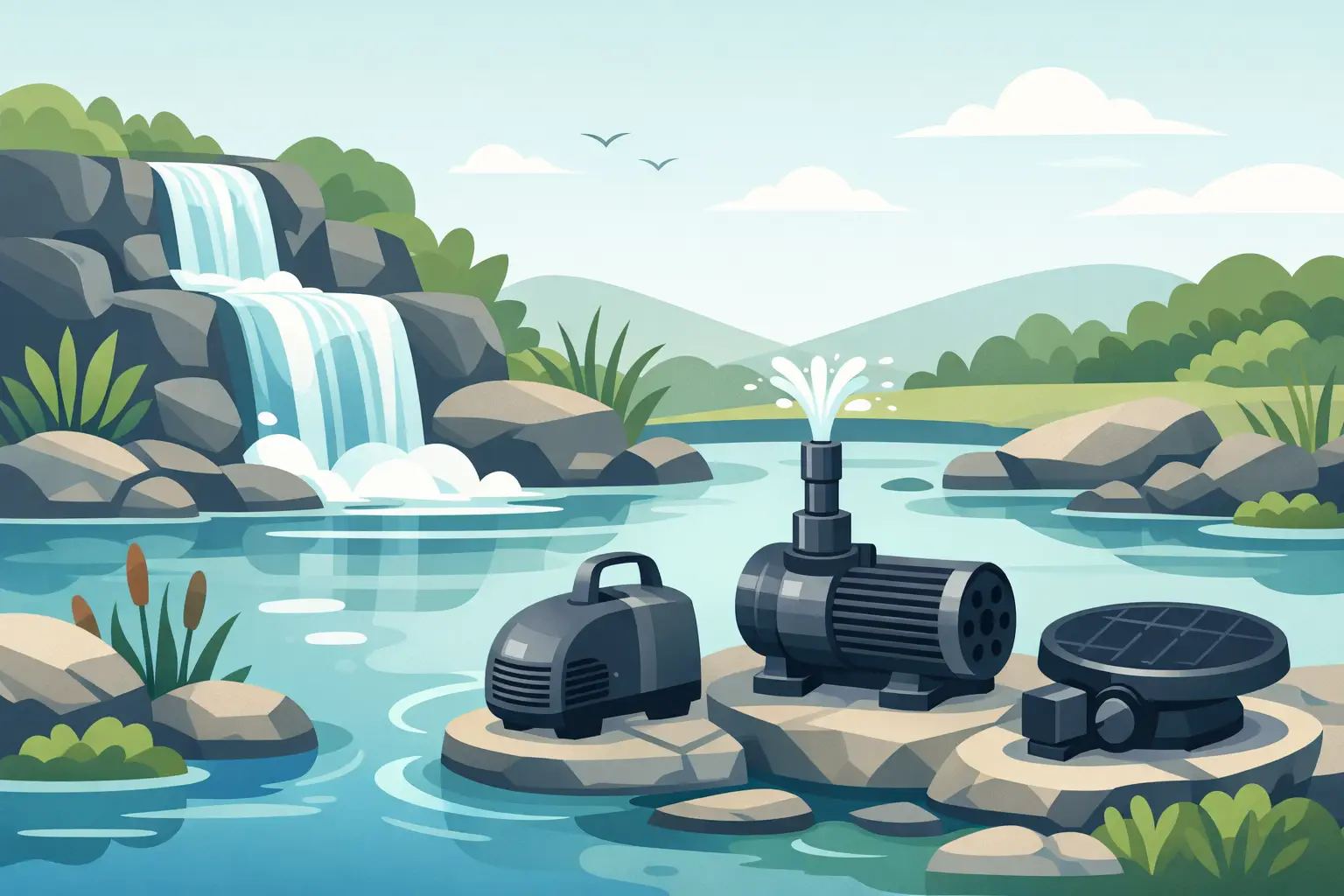
A waterfall can have beautiful stonework, clear water, and thoughtful planting, yet still feel underwhelming if the pump is not matched to the feature. The best pond pumps for waterfalls do far more than move water. They create the sound, movement, oxygen exchange, and visual energy that make a water feature feel alive.
For a small backyard cascade, the right pump may be quiet, efficient, and almost invisible. For a broad spillway, a long stream, or a dramatic pondless waterfall built into a hillside, pump selection becomes a serious design and construction decision. The goal is not simply to buy the largest pump available. It is to create the flow your particular waterfall needs while accounting for elevation, plumbing, maintenance access, and the way you want the finished space to feel.
What Makes a Pump Right for a Waterfall?
Pump ratings are usually expressed in gallons per hour, or GPH. That number is a starting point, not the answer. A pump that moves 5,000 GPH at ground level will move significantly less water once it has to push through pipe and climb several feet to the top of a waterfall.
A useful rule of thumb is to plan for roughly 1,500 to 2,000 GPH for every foot of waterfall width when you want a convincing, active sheet of water. A softer, more delicate flow can use less. A bold waterfall with whitewater, multiple drops, and a strong visual presence may need more.
The finished look matters as much as the calculation. A narrow mountain-style stream may look natural with a moderate flow that twists through boulders. A formal spillway or wide stone ledge needs enough volume to carry water evenly across its full width. Under-pumping leaves dry edges and a trickle that can feel disconnected from the scale of the stone. Over-pumping can create splash, noise, and water loss beyond what the surrounding landscape can comfortably handle.
Head Height Changes Everything
Head height is the vertical distance from the water surface in the pond or reservoir to the point where water exits at the top of the falls. This is one of the most commonly missed details in homeowner pump selection.
Every pump has a performance curve showing how much flow remains at different head heights. Friction in flexible pipe, elbows, valves, and restrictive fittings also reduces output. A pump should be selected using its flow rate at your actual total dynamic head, not the impressive number printed on the box.
For example, a waterfall that is six feet above the pond, supplied through a long run of pipe with several turns, may require a pump rated substantially higher than the desired flow at the falls. A professional design considers all of these losses before construction begins. That planning protects the experience you are investing in and avoids the costly frustration of replacing an undersized pump after the landscape is complete.
The Best Pond Pumps for Waterfalls by Project Type
There is no single best choice for every water feature. The best pond pumps for waterfalls are selected around the feature’s size, operating schedule, water quality needs, and service requirements.
Asynchronous Pumps for Larger, Naturalistic Falls
Asynchronous pumps are a strong choice for larger waterfalls, streams, and pondless water features that need sustained, high-volume circulation. Their design is well suited to the substantial flow needed to animate multiple cascades or a wide spillway. They are often favored in custom installations because they can deliver the presence a large, naturalistic water feature demands.
The trade-off is that these pumps can be heavier and may consume more energy than some modern variable-speed alternatives. They also need a properly designed intake area and vault or skimmer system to keep debris from limiting performance. When sized and installed correctly, they are dependable workhorses for projects where waterfall impact is the priority.
Variable-Speed Pumps for Flexible Operation
Variable-speed pumps provide control. They allow a homeowner to turn up the flow for weekend gatherings, then reduce it during quieter hours to save energy and soften the sound. This can be especially valuable in the Bay Area, where outdoor spaces often sit close to neighbors and a waterfall needs to complement daily life rather than overwhelm it.
These pumps are appealing for features used throughout the year, but they should not be chosen solely for their energy-saving promise. The pump still needs enough capacity at the highest required head height to create the desired waterfall effect. A variable-speed pump that is too small will not gain power simply because it has adjustable settings.
Solids-Handling Pumps for Ponds With Fish and Debris
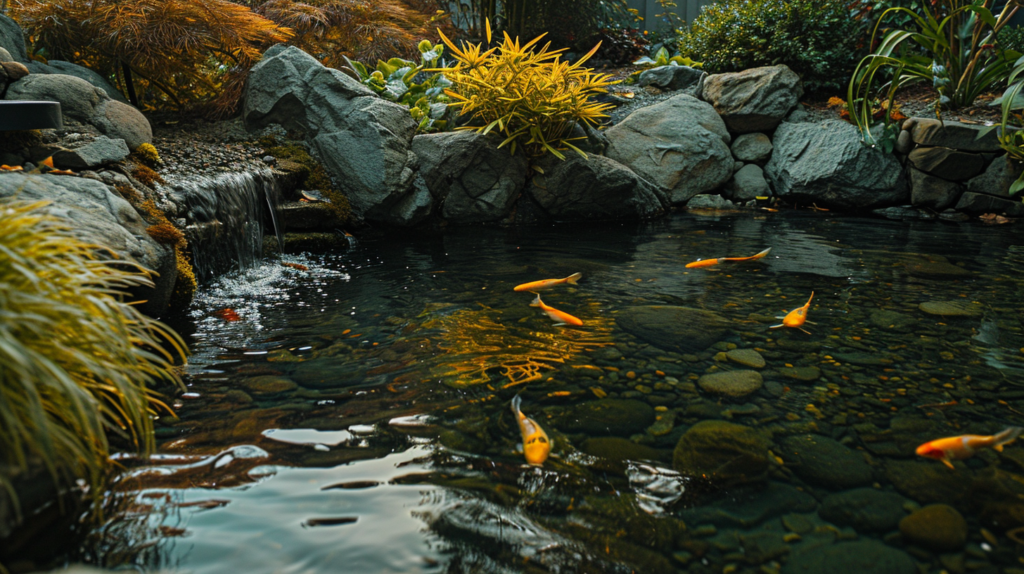
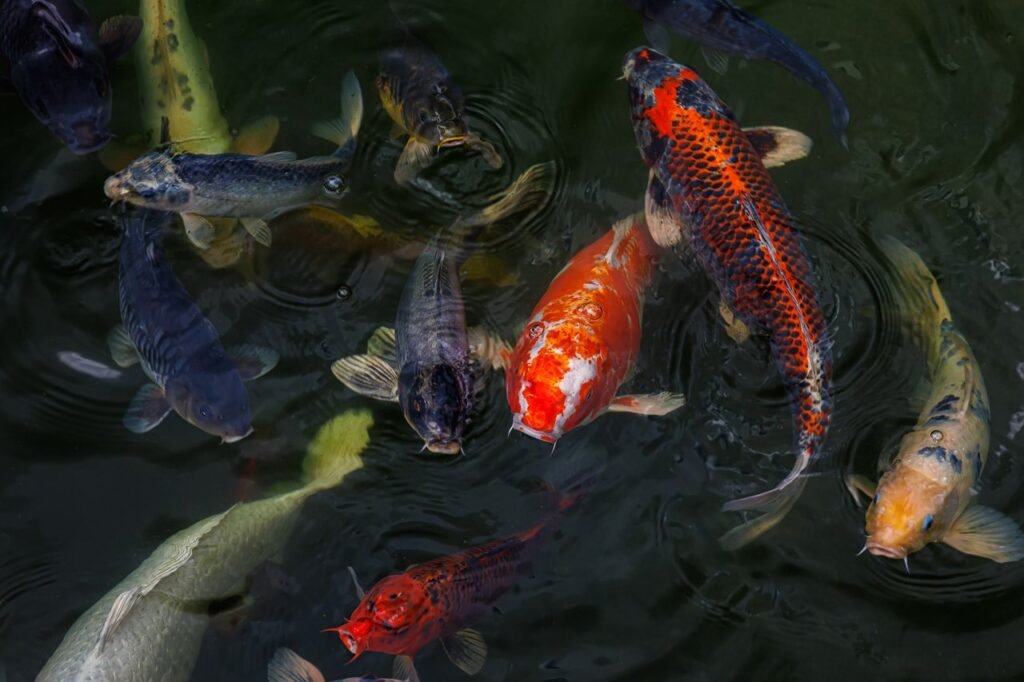
A pond with koi, mature trees, or a naturalistic planting scheme needs a pump that can tolerate small debris without frequent clogging. Solids-handling pumps are designed for that job. They are commonly used in skimmer systems, intake bays, and other setups where leaves, fish waste, and organic material are part of normal pond life.
This does not mean maintenance disappears. Even a quality solids-handling pump benefits from periodic inspection, especially during leaf season. It does mean the system is more forgiving and better suited to a living pond than a small decorative fountain pump designed for clean water only.
External Pumps for High-Demand Custom Systems
External pumps are often considered for large ponds, recreation ponds, and complex installations where efficiency, serviceability, or very high flow is required. Because the motor sits outside the water, access for maintenance can be easier when the equipment area is planned well. They can be excellent long-term performers for substantial projects.
However, installation is more technical. External pumps require careful plumbing, priming considerations, weather protection, and appropriate electrical work. They are not usually the simplest choice for a compact waterfall, but for expansive water environments, their advantages can be meaningful.
Energy Use Is Part of the Long-Term Cost
A waterfall pump may run many hours each day, so wattage deserves real attention. The lowest purchase price does not always produce the best value. An inexpensive pump that uses excessive electricity or fails early can cost more than a higher-quality, efficient unit over several seasons.
Look at the pump’s wattage alongside its performance at your expected head height. Then consider how long it will operate. A feature designed for continuous circulation, particularly one with fish, has different requirements than a pondless waterfall that is switched on only when the patio is in use.
In custom water-feature work, the most satisfying result often comes from balancing operating cost with the experience itself. A homeowner may prefer a strong daytime flow and a reduced evening setting. Another may want one consistent, soothing sound all day. Both choices can work when the system is designed with intention.
Do Not Ignore Intake and Plumbing Design
Even the finest pump cannot perform well through undersized pipe or a poorly protected intake. Plumbing diameter, pipe length, fittings, check valves, and elevation all influence the water that actually reaches the falls.
A larger pipe may cost more at installation, but it often reduces friction and lets the pump deliver more of its available flow. This can also make a system easier to adjust later. Restrictive plumbing is a common reason a waterfall loses its visual strength even though the pump rating appeared adequate on paper.
The intake area matters, too. In a pond, a skimmer and bottom circulation plan help manage debris and improve water quality. In a pondless waterfall, a properly sized reservoir and pump vault help ensure the system holds enough water to operate without drawing down too quickly. These components are not glamorous, but they are the foundation beneath the natural beauty.
Build Service Access Into the Feature
Pumps are mechanical equipment. They eventually need inspection, cleaning, repair, or replacement. A waterfall should never be built in a way that turns routine service into an excavation project.
Quality construction provides reasonable access to the pump, vault, check valve, and electrical connections while preserving the natural look of the feature. This is especially important for larger installations, where a few thoughtful decisions during construction can save significant time and expense years later.
At Aquascape Creations, we approach pump selection as part of the larger composition: the sound from the patio, the viewing angles from inside the home, the character of the stone, and the long-term care of the water feature. The equipment should support the living masterpiece without becoming the focus.
A Better Question Than “Which Pump Is Best?”
Instead of asking for the single best pump, ask what kind of waterfall you want to live with. Do you want a gentle stream that makes conversation easier? A dramatic cascade that becomes the centerpiece of the yard? A fish pond that needs dependable circulation every day, or a pondless waterfall made for relaxation and entertaining?
The right answer comes from matching pump performance to the landscape, not forcing the landscape to fit a pump. When flow, plumbing, stonework, and service access are designed together, the waterfall feels effortless – like it has always belonged there.

[…] much less water than it should because a filter pad is clogged, plumbing has a restriction, or the impeller is worn. If the waterfall looks weaker than usual, treat it as a maintenance signal rather than only a […]
[…] energy use, and accelerated wear, while an undersized pump may leave the falls looking weak. A proper replacement should be selected for the waterfall’s lift, pipe run, desired flow, and the character of the […]
[…] after cleaning deserves a closer inspection. The visible water may be revealing a hidden problem: a failing pump, undersized filtration, improper pond construction, a leak that changes water chemistry, or years […]
[…] pump may become a thin sheet of water with little sound or movement. The proportions of each drop, the flow rate, and the stone selection need to work […]
[…] waterfall has a water budget. The pump must provide enough flow for the width and style of the falls while accounting for elevation, pipe length, fittings, and the […]
[…] components hidden beneath the stone are especially important. A properly sized pump, well-designed plumbing, dependable filtration, protective underlayment, and quality liner all […]
[…] Pump selection is about more than horsepower. A pump must deliver the proper flow after accounting for vertical lift, plumbing length, fittings, and the resistance created by the overall system. Too little flow leaves a waterfall flat and quiet. Too much can cause excessive splash, waste energy, and make the feature look forced. […]