
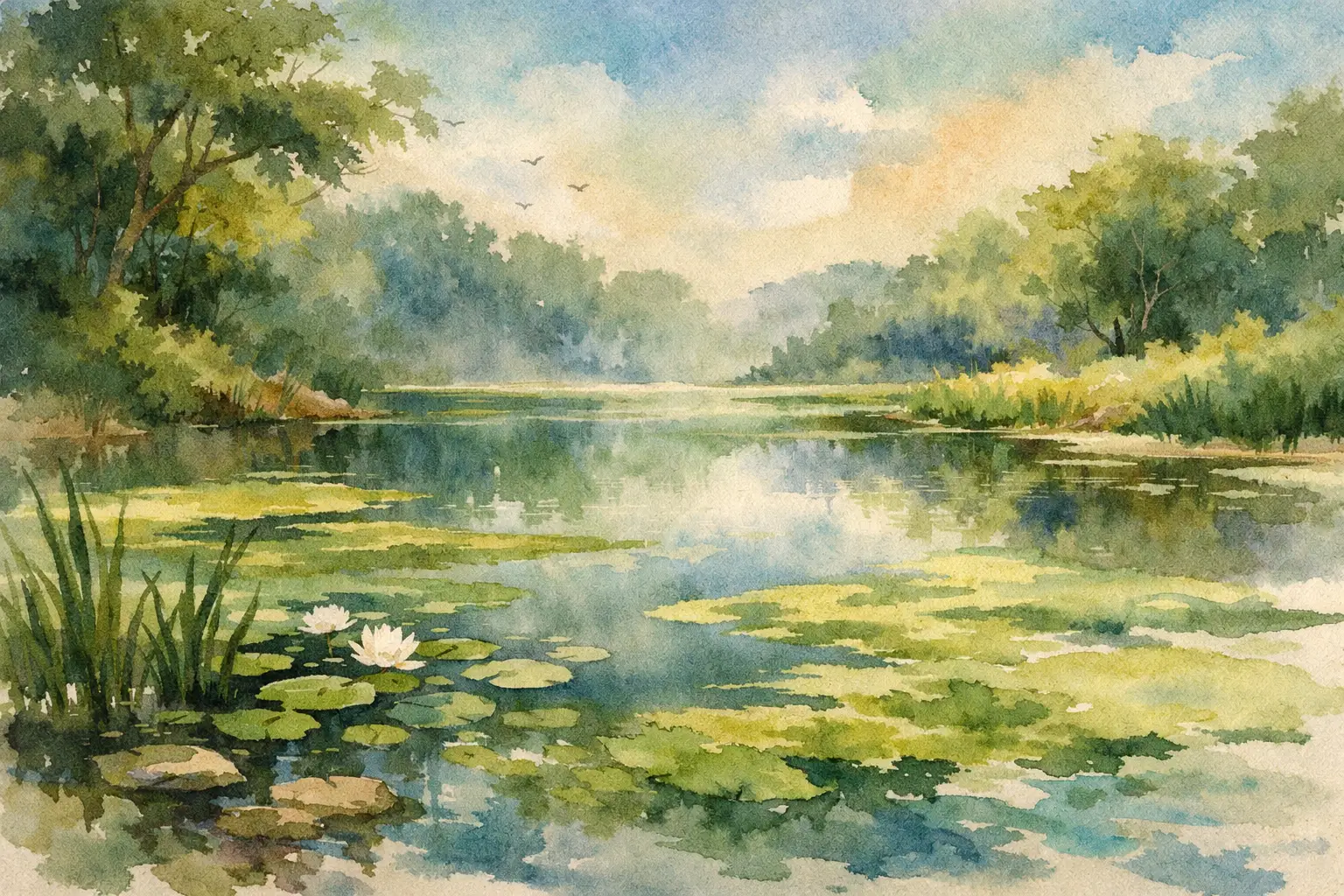
A pond can look perfectly clear one week and turn pea-green after a few warm, sunny days. That shift is frustrating, but pond algae control is rarely about finding a stronger treatment. It is about understanding what has changed in the water and restoring the balance that lets fish, plants, stonework, and moving water shine together.
At Aquascape Creations, we see ponds as living landscape features, not decorative containers of water. A healthy pond will always have some biological activity, including a small amount of algae. The goal is not sterile water. The goal is a stable, natural sanctuary where algae does not take over the view or compromise the ecosystem.
Why Algae Takes Hold in a Pond
Algae is a simple plant, and like every plant, it responds to light and nutrients. When sunlight, excess nutrients, and warm water arrive at the same time, algae has everything it needs to multiply quickly. In the Bay Area, a run of bright weather can make this happen surprisingly fast, especially in ponds with limited shade or aging filtration.
Fish waste, decomposing leaves, uneaten food, lawn runoff, fertilizer drift, and sediment on the pond bottom can all add nutrients to the system. A pond that was clear in spring may become green in summer simply because the biological load has increased while the filtration and plant coverage have stayed the same.
Not every algae issue looks alike. Suspended green-water algae gives the entire pond a cloudy green appearance. String algae, also called blanketweed, grows in hair-like mats along waterfalls, streams, rocks, and pond edges. Each calls for a slightly different response, but both point to the same larger need: improve the pond’s ecological balance.
Pond Algae Control Starts With the Right Diagnosis
Before adding a treatment, take a close look at the pond. Is the water green from top to bottom, or can you see stringy growth attached to rocks? Has the pond recently received a heavy leaf drop? Are fish being fed more often? Is the waterfall flow weaker than usual? These details tell a far more useful story than the color of the water alone.
A sudden algae bloom after a pond cleaning may mean the beneficial bacteria colony has been disrupted. Green water in a new pond is often part of its early settling period, when biological filtration is still maturing. A recurring late-summer bloom may point to too much direct sun, inadequate plant coverage, or a filter that no longer matches the pond’s fish load.
This is where a one-size-fits-all solution can create more work. Chemical algaecides may provide a temporary visual improvement, but they do not remove the nutrient source. Used carelessly, they can also cause a rapid die-off that consumes oxygen as algae decomposes. In a pond with koi or other fish, that is a risk not worth taking without a clear plan.
Build a Balanced, Living Filtration System
Effective filtration is the backbone of clear, healthy water. A well-designed pond uses mechanical filtration to capture leaves and debris, biological filtration to support beneficial bacteria, and circulation to keep oxygen moving throughout the system. These components work together. If one is undersized, clogged, or bypassed, algae often fills the gap.
Mechanical filtration keeps organic material from settling and breaking down in the pond. Skimmers are especially valuable because they remove floating leaves, pollen, and fish food before those materials become fuel for algae. A properly maintained skimmer basket is a small task that prevents a much larger pond problem.
Biological filtration is where nature does the quieter work. Beneficial bacteria colonize filter media, rocks, and other surfaces. They process fish waste and help convert harmful compounds into forms plants can use. This living system needs steady water flow and oxygen. Cleaning filter media too aggressively or replacing all of it at once can strip away the biology the pond depends on.
Ultraviolet clarification can be an excellent tool for suspended green-water algae. As water passes through a correctly sized UV clarifier, the light disrupts single-celled algae so the filtration system can remove it. It does not solve string algae growing on rocks, and it will not compensate for a neglected filter, but it is highly effective for restoring clarity when green water is the primary concern.
Use Plants as Part of Your Pond Algae Control Plan
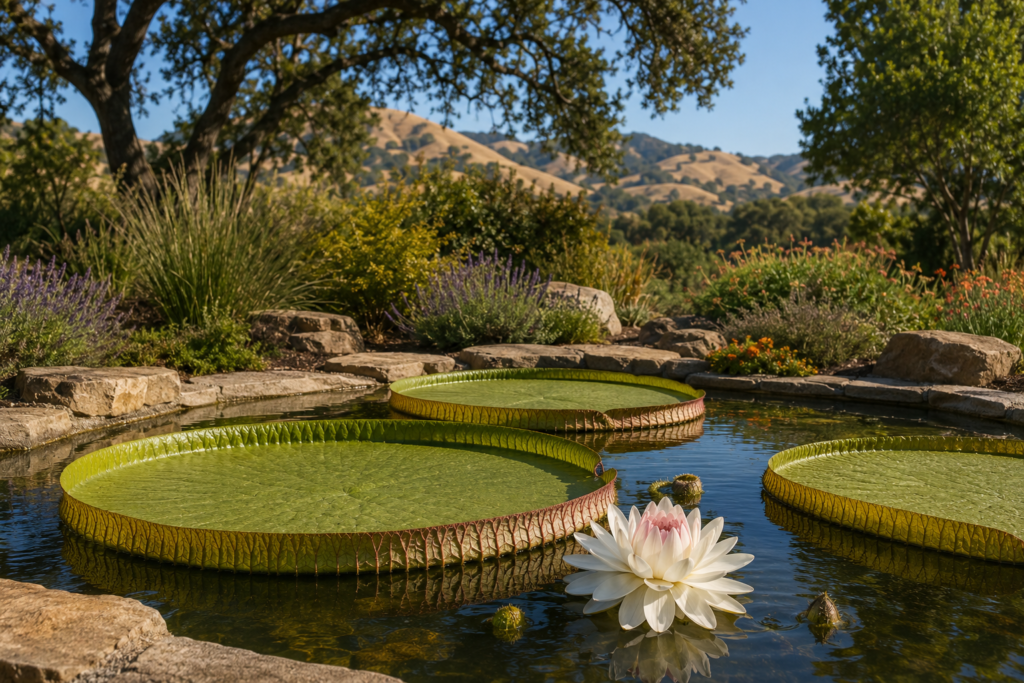
Aquatic plants are not just finishing touches. They are active partners in pond algae control. Water lilies, marginal plants, and other carefully selected varieties absorb nutrients and reduce the open sunlight that algae needs to thrive. Their roots also create habitat for beneficial microorganisms.
The amount and type of planting should match the pond’s scale, sunlight, fish population, and the owner’s maintenance preferences. Too little plant coverage leaves water exposed all day. Too much dense growth can make access difficult, trap debris, and reduce circulation in certain areas. The best planting plan looks natural while allowing the pond to breathe and function.
Shade matters as well. A mature tree canopy, a strategically designed planting bed, or partial architectural shade can reduce the intensity of midday sun. Still, shade is not a complete algae solution. Falling leaves and pollen can create their own nutrient load, so a pond beneath trees may need stronger surface-skimming and more frequent maintenance.
Reduce the Nutrients Feeding the Bloom
The most lasting improvements often come from reducing what enters the pond. Feed fish only what they can consume promptly, and adjust feeding as water temperatures change. Overfeeding is one of the most common and avoidable contributors to poor water quality in established koi ponds.
Keep lawn clippings, soil, fertilizer, and landscape debris out of the water. During heavy rain, watch where runoff travels. If a slope directs nutrient-rich water toward the pond, a drainage adjustment, planting buffer, or edge detail may be needed to protect the system.
Routine debris removal is equally important. Net out leaves before they sink. Empty skimmer baskets. Remove excessive sludge during scheduled cleaning rather than waiting until the pond smells earthy, looks murky, or loses circulation. A pond bottom does not need to look like a swimming pool floor, but it should not become a storage place for decomposing organic matter.
Treat String Algae Without Fighting the Whole Pond
String algae is often most visible in waterfalls and along the pond edge, where moving water and sun create ideal growing conditions. Some seasonal growth is normal in naturalistic water features. In fact, a light coating on rock can help a pond look established rather than newly built.
The concern begins when it blankets the waterfall, clogs intake areas, traps debris, or overwhelms the visual character of the pond. Physical removal is usually the first practical step. Gently pull or twist out long strands, then remove what you collect from the site so those nutrients do not wash back into the water.
From there, focus on the reason it is returning. Improve circulation in dead spots, remove accumulated debris, review fish feeding, support beneficial bacteria, and add or refine plant coverage where appropriate. Targeted treatments can be useful under professional guidance, particularly in heavily stocked ponds, but they should complement system improvements rather than replace them.
Know When the Problem Is Design, Not Maintenance
Sometimes algae is a maintenance issue. Other times, it is a signal that the pond was not designed for its present conditions. A pond may have gained more fish over the years, lost shade after landscape changes, or inherited an old pump and filter system that cannot support its current load.
Signs of a design-level concern include repeated blooms despite consistent care, weak waterfall flow, filters that need constant attention, debris collecting in the same areas, and fish that appear stressed during warm weather. In these situations, installing a larger pump alone may not help. The pond may need better circulation paths, upgraded filtration, improved skimming, or a more thoughtful planting and edge strategy.
This is especially true for larger ponds, recreation ponds, and complex water features. Their beauty depends on the details working together: water movement, boulder placement, intake protection, filtration capacity, planting zones, and access for future service. A repair or upgrade should protect the original artistry while giving the system a stronger foundation for long-term performance.
A Seasonal Rhythm Keeps Water Clearer
Pond care is easier when it follows the seasons. Spring is the time to remove winter debris, inspect equipment, restart biological activity, and prepare for increasing fish appetite. Summer calls for regular skimmer cleaning, attention to water level, plant management, and a close eye on algae before it becomes a bloom.
In fall, leaf management becomes the priority. A net can be helpful for ponds near deciduous trees, while a professional cleaning removes the organic material that would otherwise break down over winter. During cooler months, equipment checks and lighter fish feeding help protect water quality until the pond wakes up again.
Clear water is not about chasing perfection every day. It comes from a pond that has been designed, maintained, and adjusted with respect for how living water behaves. When algae is addressed at its source, your pond can return to what it was meant to be: a peaceful, durable landscape centerpiece where the sound of water and the beauty of nature take the lead.
[…] a disrupted biological cycle can all affect clarity. Yet if murky water, odor, sludge buildup, and recurring algae return year after year, the filtration system may be undersized or the pond may lack the depth, […]
[…] the balance is off, algae, murky water, debris buildup, or stressed fish can become recurring concerns. The answer is not always a […]