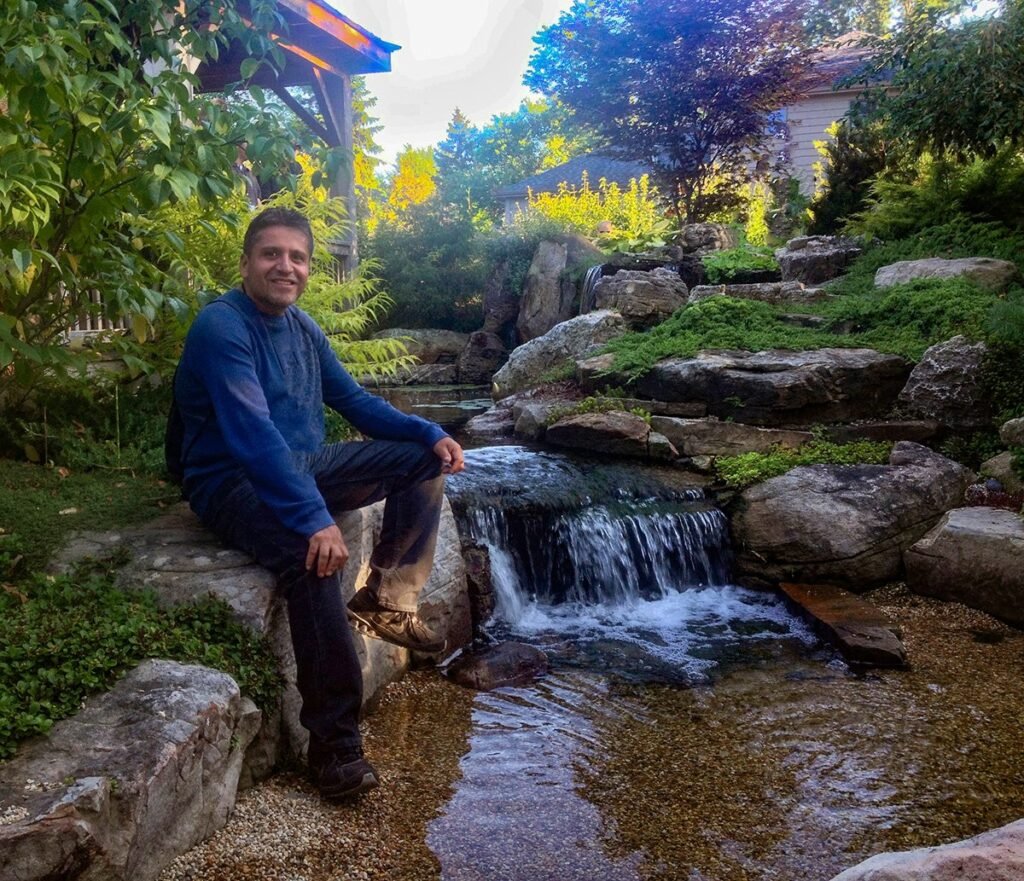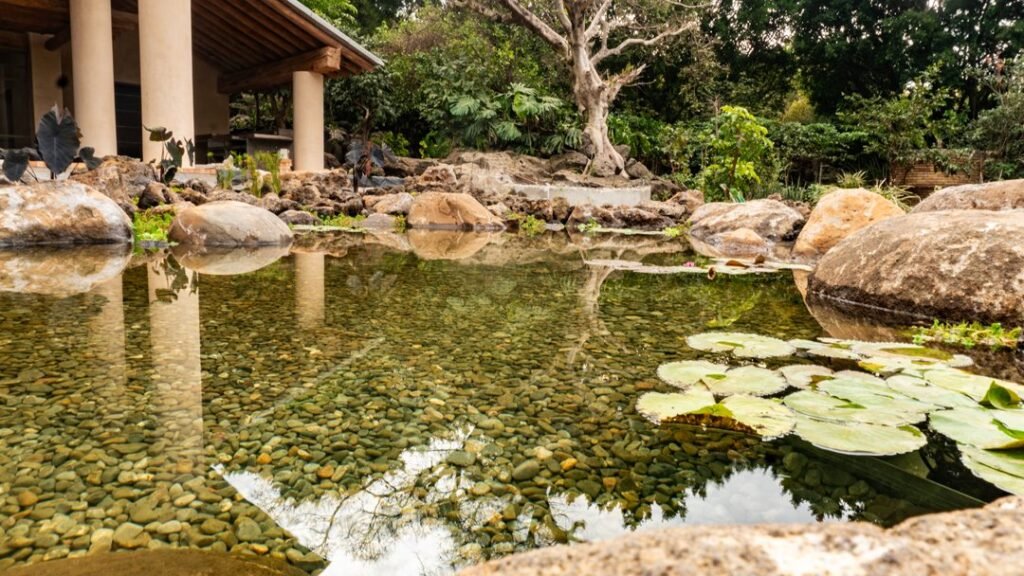
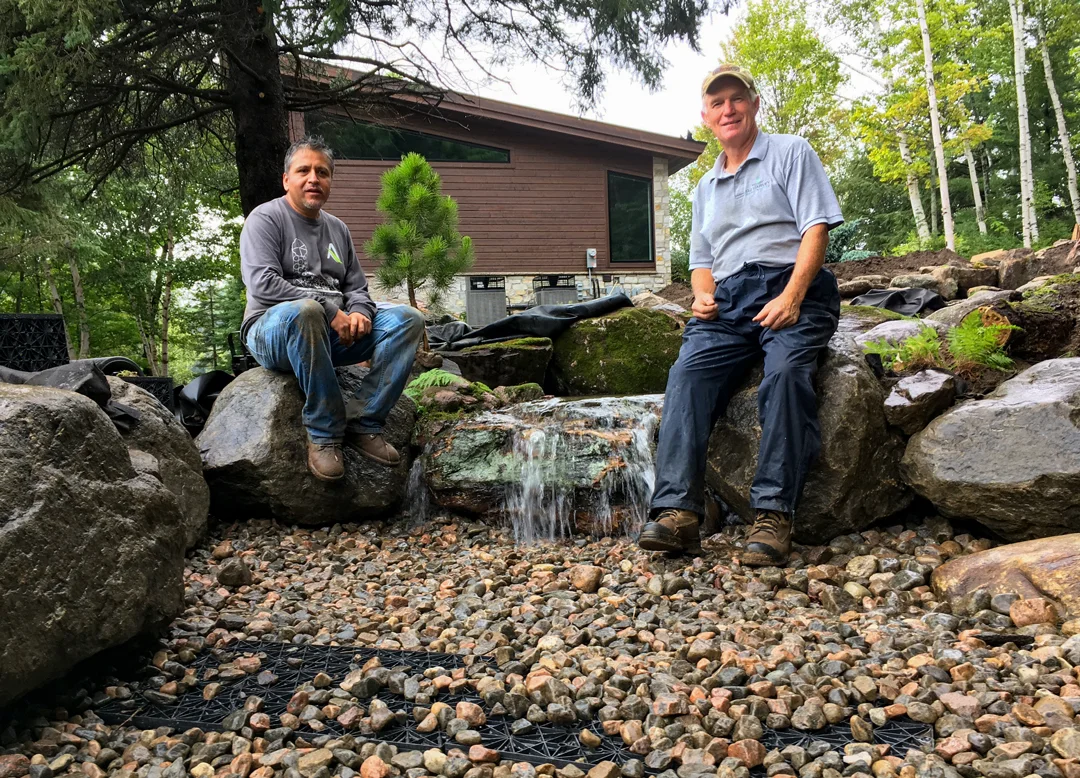
A waterfall should not feel like a landscape accessory dropped into the yard. It should feel as though it belongs there: water moving over carefully placed stone, planting softening the edges, and a sound that turns an unused patio view into a place people want to gather. A certified aquascape contractor brings the design judgment and construction knowledge needed to make that feeling last beyond the first season.
For homeowners investing in a pond, pondless waterfall, water garden, or recreation pond, certification is more than a badge. It signals focused training in building naturalistic water features as living systems, with attention to circulation, filtration, liner protection, rock placement, aquatic balance, and long-term serviceability. The best result is beautiful, of course. It is also built to be enjoyed rather than constantly worried over.
What Certification Brings to a Water-Feature Project
A natural-looking water feature is highly intentional. The visible boulders, cascading water, and plant pockets are only part of the work. Beneath and behind them are excavation, grading, plumbing, pumps, filters, underlayment, liner, structural support, and access points that determine whether the feature performs reliably.
A certified aquascape contractor understands how those components work together. That matters because water has a way of exposing shortcuts. A poorly supported edge can settle. Incorrect plumbing can reduce flow. An undersized filtration system can leave a pond struggling with water clarity. Rock that appears dramatic on installation day may look forced if it does not relate to the terrain or the scale of the home.
Certification alone does not replace hands-on experience, but it gives a contractor a proven framework for building. Experience then brings the practical judgment: knowing where to create a quiet pool in a stream, how to shape a waterfall so it sounds full without splashing onto a walkway, and when a site needs a more complex solution than a standard installation can provide.
The Difference Between Naturalistic Design and Decorative Construction
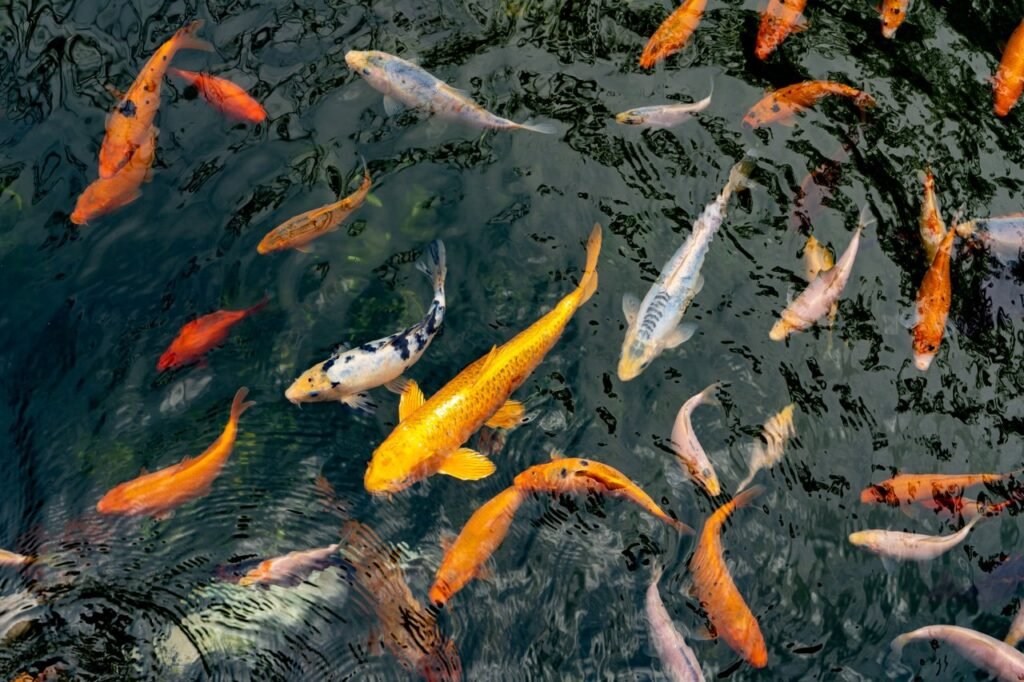
There is no single right pond for every property. A compact courtyard may call for a pondless waterfall that delivers movement and sound without open water. A family that wants to keep koi may need a deeper pond with filtration designed around fish load and regular care. A large estate or commercial setting may have room for a recreation pond that becomes the center of an entire outdoor environment.
The contractor’s role is to begin with how the space will be used, not with a pre-set feature package. Where do you sit in the evening? Which views should be enhanced or screened? Does the slope create an opportunity for a stream, or does it require careful grading and retaining work? Will children, pets, visiting wildlife, or fish be part of the picture?
Naturalistic design also means respecting proportion. A waterfall can be visually powerful without being oversized. A pond can feel generous without consuming the whole yard. Stone selection, elevation changes, planting areas, and the transition from water feature to surrounding landscape should all support the architectural character of the property.
That level of customization can cost more than a basic decorative installation. It also avoids the common disappointment of a feature that looks disconnected from the rest of the landscape or proves difficult to maintain. The right scope depends on the site, the desired experience, and the level of long-term involvement a property owner wants.
Building for the Water You Want to See
Clear, moving water begins with systems most guests will never notice. A properly designed pond uses circulation and filtration to collect debris, support biological balance, and return clean water to the feature. In a pondless waterfall, the reservoir and pump system must be sized to sustain the visual flow while allowing practical access for service.
A qualified contractor will discuss these decisions in plain language. You should understand where the equipment is located, how the system is maintained, what seasonal care looks like, and what can affect operating costs. A feature does not need to be maintenance-free to be enjoyable, but it should have a maintenance plan that fits your lifestyle.
This is especially important in the Bay Area, where sunny exposures, mature trees, slopes, and varied microclimates can shape the design. A pond under heavy leaf drop needs a different service strategy than a sunlit pond exposed to warmer water temperatures. Good construction anticipates those realities rather than treating them as surprises after completion.
Questions to Ask Before You Hire a Certified Aquascape Contractor
The conversation should go beyond, “How much does a pond cost?” Pricing matters, but a useful proposal explains what is being built and why. Ask to see projects similar in scale and style to yours. Look for work that has matured over time, not only fresh installation photos. Established stonework, healthy planting, and water that still reads naturally are strong signs of thoughtful construction.
Ask how the contractor approaches excavation, drainage, access, electrical needs, and the protection of existing landscape elements. If your property has difficult access, uneven terrain, or an ambitious vision, ask directly whether the team has handled comparable challenges. Large and complex projects require coordination, not guesswork.
It is also wise to ask who will be involved from consultation through completion. Water-feature projects benefit from clear communication because details evolve as the terrain is opened up and the stone is set. A founder-led or experienced project team can help make those decisions with care while keeping the larger vision intact.
Finally, ask about maintenance and repair support. Pumps, filters, and plumbing are working components. Even well-built features benefit from seasonal cleaning, inspections, and occasional adjustments. Choosing a contractor who can diagnose leaks, improve aging systems, and maintain the feature protects the investment long after the final stone is placed.
Craftsmanship Shows Up Years Later
The best water features become part of family life. They create a backdrop for weekend dinners, a quiet place to start the morning, a destination for children and guests, or a restorative view from inside the home. That emotional value is exactly why quality construction matters.
At Aquascape Creations, the work is approached as nature-inspired artistry supported by decades of hands-on construction experience. The team has worked alongside leading professionals in the industry, learning how to bring together durable systems and the irregular beauty that makes a water feature feel alive. Whether the project is a modest pondless waterfall or a large recreation pond, the goal is the same: build a lasting natural sanctuary with pride in every detail.
A well-made water feature will change with the seasons. Plants fill in, stone develops character, and the sound of moving water becomes familiar to the home. That is not an accident of decoration. It is the result of careful planning, capable installation, and a commitment to care after the project is complete.
When you meet with a contractor, bring the way you want the space to feel, not just a collection of pictures. The right professional can turn that feeling into a water environment that fits your land, serves your family, and remains a remarkable part of the property for years to come.