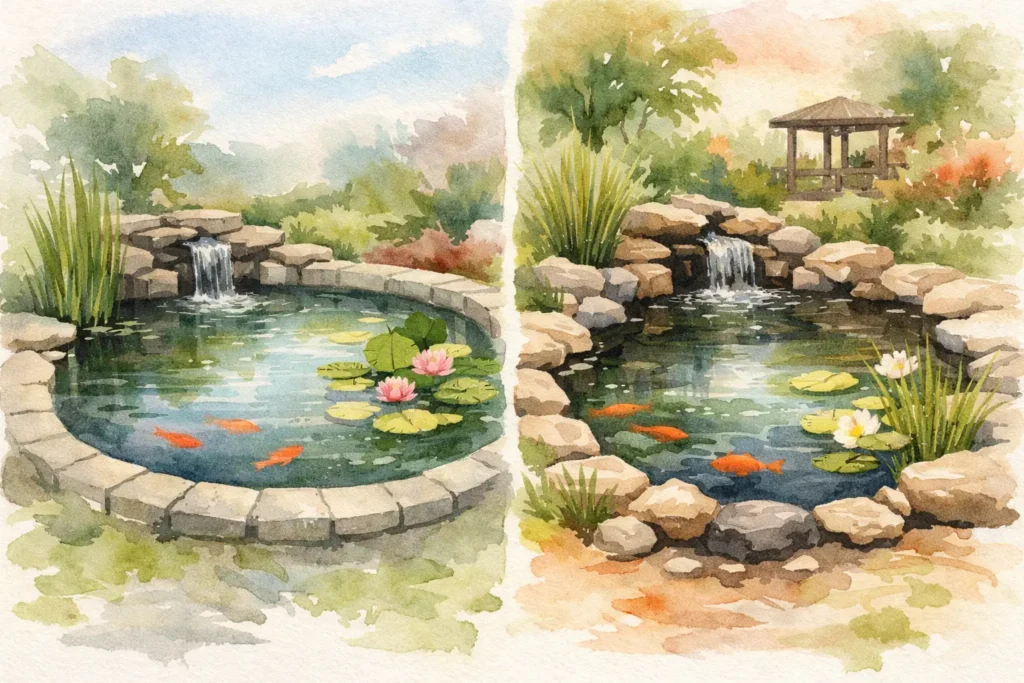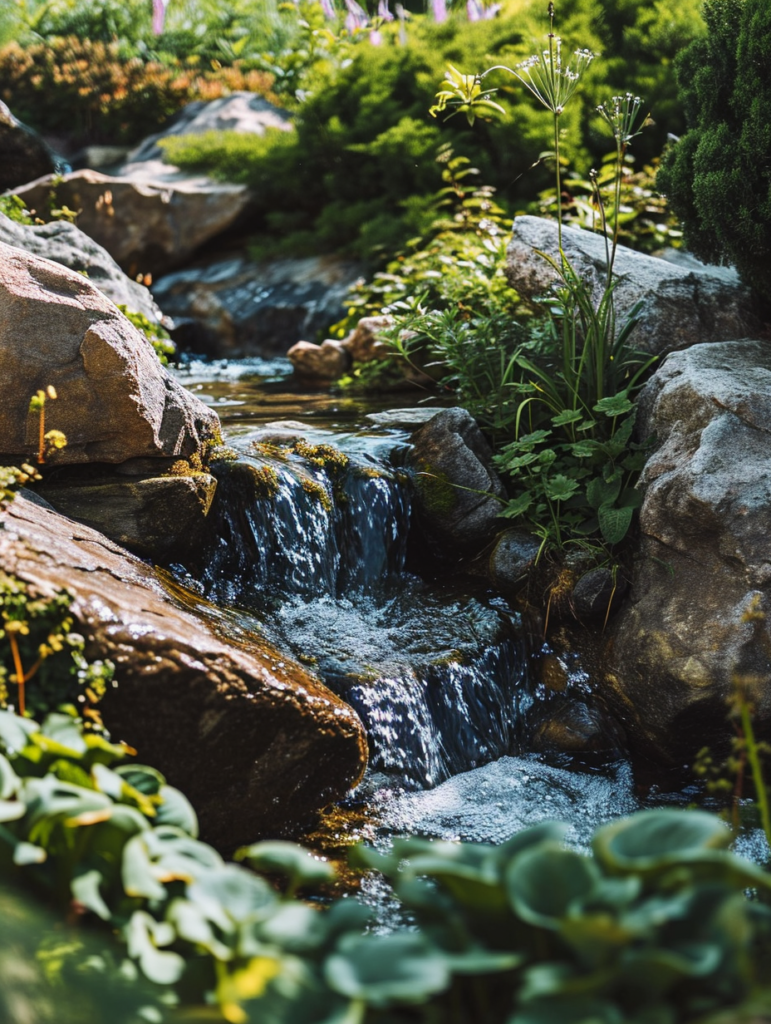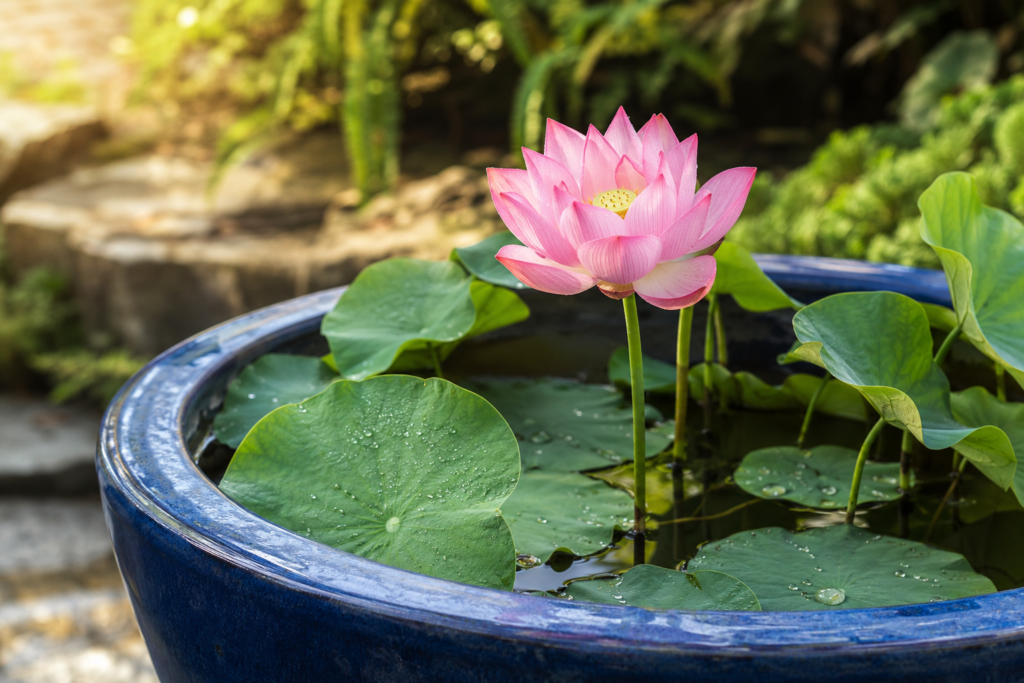
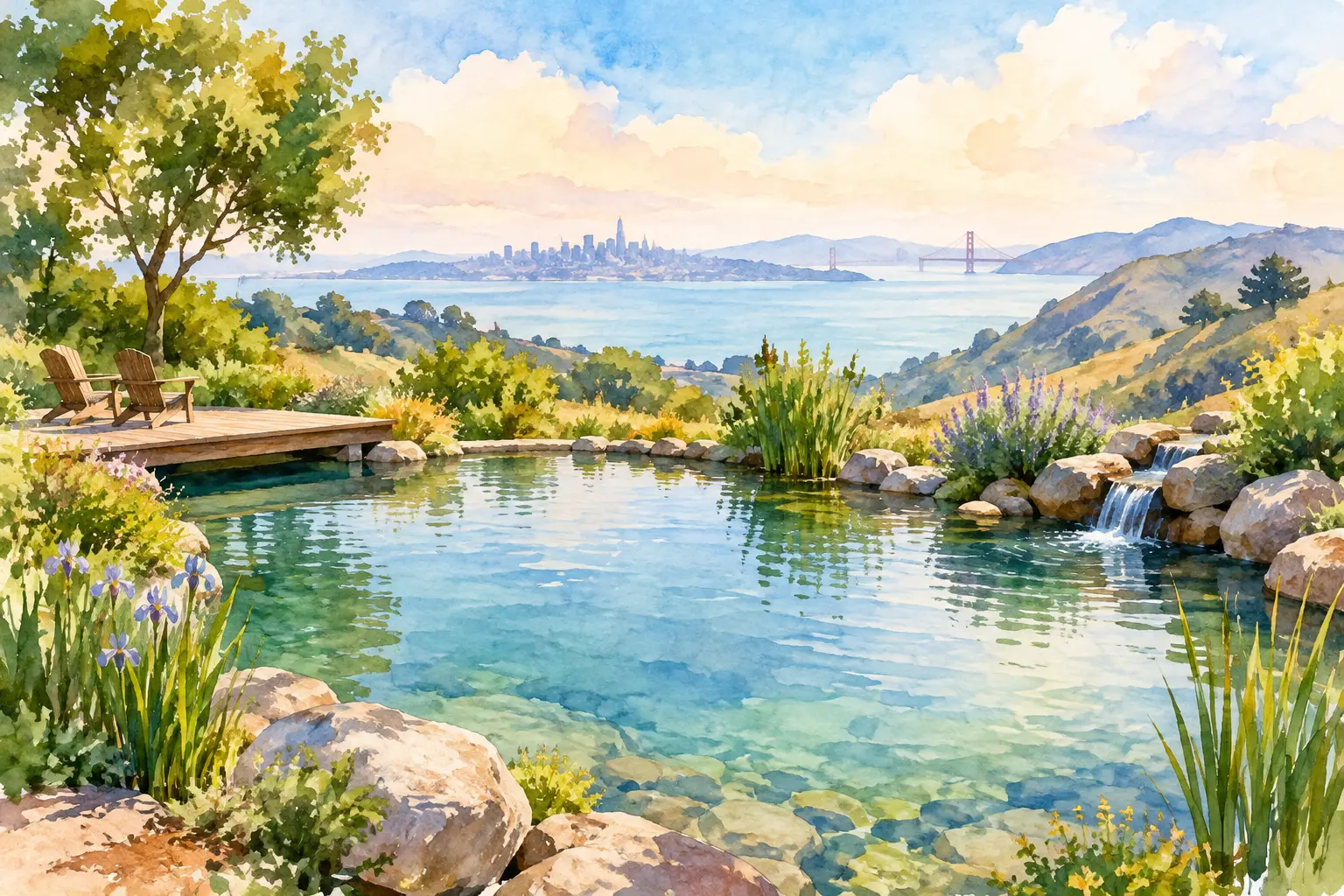
A $100,000 budget can create far more than a decorative water feature. It may be enough to build a beautiful, swimmable recreation pond with natural stone, moving water, planted edges, and room for family use – but the answer to “can I build a recreation pond in the Bay Area with $100,000 dollars?” depends heavily on the property beneath your feet.
A level, accessible backyard with clear utility locations gives that budget room to shine. A steep hillside, difficult access, extensive retaining work, or a site subject to complex permitting can change the picture quickly. The goal is not to force a grand vision into a fixed number. It is to shape a water environment that feels generous, functions reliably, and will still bring joy years after construction is complete.
What $100,000 Can Realistically Build
For many Bay Area properties, $100,000 is a meaningful starting point for a custom recreation pond. At this level, the project can often include a naturalistic pond sized for cooling off, wading, and casual swimming; a biological filtration system; quality liner and underlayment; carefully placed boulders; circulation pumps; and a planted perimeter that softens the transition into the landscape.
The strongest projects use the budget to create an experience rather than simply chase square footage. A thoughtfully proportioned pond with a natural beach-style entry, a modest waterfall, clear water, and places to sit nearby will usually feel more rewarding than a larger basin with compromised filtration or limited stonework.
A recreation pond is not a conventional swimming pool with rocks around it. It is a living water feature designed around movement, ecology, and natural beauty. Water plants, gravel zones, circulation, and filtration work together to support clarity while creating a setting that feels connected to the land. When designed well, it becomes a natural sanctuary for morning coffee, family afternoons, and quiet evenings by the water.
That said, $100,000 is not an all-inclusive number for every backyard. Larger swim zones, dramatic waterfalls, complex streams, extensive patios, lighting packages, mature specimen plantings, and major grading can push a project well beyond that range.
The Bay Area Factors That Change the Price
The Bay Area offers extraordinary landscapes, but those landscapes can make pond construction more involved. Before selecting a shape or waterfall style, a qualified builder should understand the site itself.
Access Can Matter as Much as Pond Size
A backyard with a wide side yard allows equipment, stone, soil, and materials to move efficiently. A home with only narrow access may require more hand labor, specialized equipment, staged deliveries, or careful material handling. Those realities affect construction time and cost.
This does not mean a restricted site cannot have a recreation pond. It simply means the design must respect how the project will be built. Sometimes a slightly smaller footprint preserves more budget for the materials and craftsmanship that make the finished pond feel exceptional.
Grade, Soil, and Drainage Shape the Construction Plan
Sloped properties can create beautiful opportunities for waterfalls and elevated views, but they may also require retaining, stabilization, or additional drainage management. Clay soil, rocky ground, and unknown underground conditions can add excavation challenges. On some properties, controlling runoff is just as important as building the pond itself.
A lasting water feature should direct surrounding water intentionally, protect nearby structures, and account for how the site behaves during heavy rain. This is one area where experience matters. A pond should look as though it has always belonged there, while its construction quietly handles the realities of the property.
Utilities and Local Requirements Need Early Attention
Gas lines, electrical lines, irrigation, sewer connections, and drainage infrastructure all need to be identified before excavation begins. Depending on the project scope and jurisdiction, permits or approvals may be needed for grading, electrical work, drainage, fencing, or site changes.
Requirements vary by city and property, so there is no responsible one-size-fits-all promise. Early planning helps avoid a costly redesign after the vision is already set. It also gives homeowners a clearer understanding of what portion of the investment belongs in the pond itself versus site preparation and compliance.
Where the Budget Should Go First
When funds are finite, the durable parts of the project deserve priority. The liner system, underlayment, pumps, plumbing, intake bays, skimmers, filtration, and structural stone placement are the bones of a recreation pond. They are difficult and expensive to correct later if they are undersized or poorly installed.
Water quality is equally central. A recreation pond should be designed for its intended use, exposure to sun, expected organic load, and water volume. Clear, healthy water does not happen because a pond has a filter somewhere in the system. It comes from a balanced approach that considers circulation patterns, mechanical capture, biological filtration, gravel areas, plantings, and maintenance access.
Natural stone is another investment worth protecting. The right boulder placement gives a pond its sense of permanence. It creates ledges, visual depth, shoreline character, and safe transitions into the water. Saving money by reducing stone too aggressively can leave a finished pond looking flat or manufactured rather than like a landscape creation.
If choices are needed, it is often wiser to postpone an elaborate patio, outdoor kitchen, or expansive landscape lighting than to compromise the pond’s core system. Those surrounding features can be added in phases. A properly built pond gives you a sound living centerpiece from the start.
Can You Build a Recreation Pond for $100,000 Without Cutting Corners?
Yes, in the right setting, but it requires a disciplined scope. The most successful $100,000 recreation pond projects are designed around a clear hierarchy: swimming enjoyment, clean water, natural beauty, and long-term performance come first. Every additional element is evaluated by how much it improves that experience.
For example, a homeowner may choose a comfortable swim area with one beautifully composed waterfall instead of a long stream with several cascades. Another may favor a planted wetland edge and generous boulder work over a large hardscape terrace. Neither choice is universally better. The right answer depends on how the family will use the space.
Be candid about priorities during the consultation. Is the pond primarily for children to splash and explore? Is it a private plunge pool alternative? Will it be the focal point of a larger outdoor entertaining area? Do you want a more organic, plant-rich water garden or a cleaner, more open swimming edge? These decisions guide the budget toward the features that will matter most every day.
A Smart Phased Plan for Larger Visions
Some properties call for a recreation pond that exceeds $100,000, especially when the landscape includes significant elevation changes, a large swimming area, engineered retaining, or extensive outdoor living improvements. That does not mean the vision has to disappear.
A phased approach can protect the integrity of the core installation. The first phase may establish the excavation, pond shell, filtration, circulation, foundational stonework, and key planting zones. A later phase can expand the patio, add a fire feature, build a changing area, install additional lighting, or extend planting into the wider landscape.
The important point is to plan those future phases from the beginning. Plumbing sleeves, electrical capacity, drainage routes, and access paths should be considered before the first stone is set. A project that grows intentionally is much easier to manage than one that must be reopened to correct overlooked infrastructure.
Start With the Property, Then Let the Design Take Shape
A recreation pond should never be selected from a price sheet alone. It should respond to the property’s grade, architecture, sun exposure, views, access, and the people who will enjoy it. The best projects feel effortless after they are complete, even though every layer below the surface was carefully considered.
At Aquascape Creations, we approach large and complex water projects as nature-inspired artistry supported by hands-on technical experience. A personal site consultation can reveal what your budget can genuinely accomplish, where the risks are, and how to create a pond that is built with love, pride, and lasting performance.
A $100,000 investment may not create every version of a recreation pond imaginable. It can, however, create a remarkable place to swim, gather, listen to moving water, and make the backyard feel alive – if the design honors both your vision and the land it is built on.