A beautiful pond should feel as though it belongs to the property – tucked into a hillside, reflecting an old oak, or drawing family and friends outdoors at the end of the day. That effect is never accidental. Thoughtful pond construction brings together artistic vision, site conditions, water movement, and dependable materials so the finished feature becomes a lasting part of the landscape rather than a source of constant work.
For Bay Area homeowners, the difference often comes down to what happens beneath the rocks. A pond may look complete on installation day, but its real quality is revealed through changing seasons, active fish, falling leaves, warm weather, and years of use. Building with the whole lifecycle in mind creates a water feature that stays clear, inviting, and true to its original character.
Pond Construction Starts With the Landscape
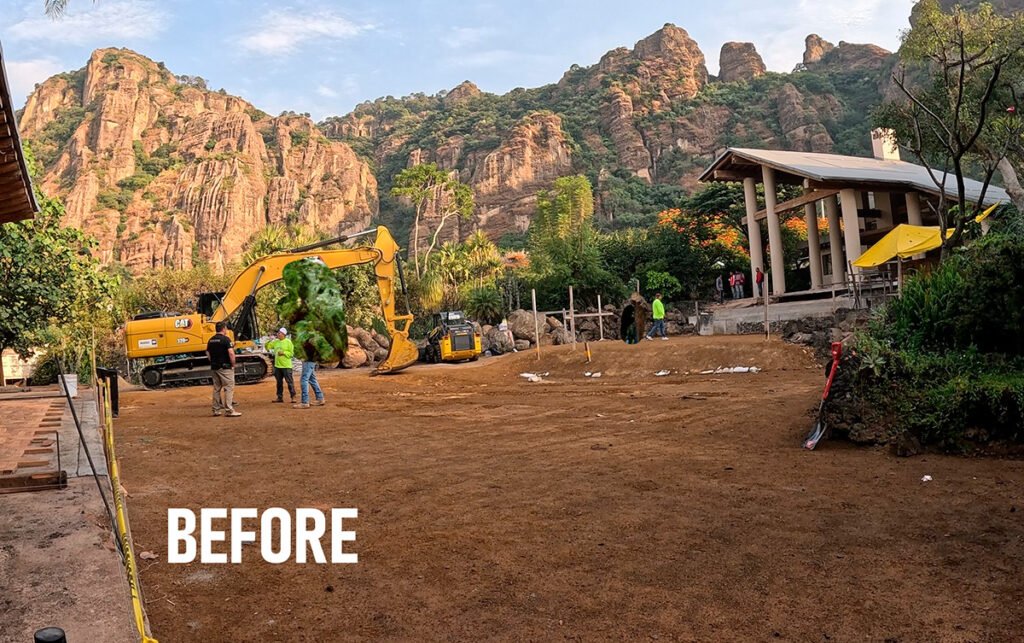
The best ponds are designed around the property, not dropped into it. Before excavation begins, an experienced pond builder studies the grade, drainage patterns, sun exposure, views from the home, access for construction, and the style of the surrounding architecture. A gently sloped garden calls for a different approach than a steep hillside, a formal courtyard, or a large open property intended for recreation.
Water has a way of revealing every decision around it. A waterfall that is too tall for its setting can feel forced. A pond placed directly beneath heavy leaf drop may require more maintenance than the owner expects. Poor drainage can direct muddy runoff into the water feature, while too much direct sun can encourage algae growth. These are not reasons to avoid a pond. They are reasons to design it with care.
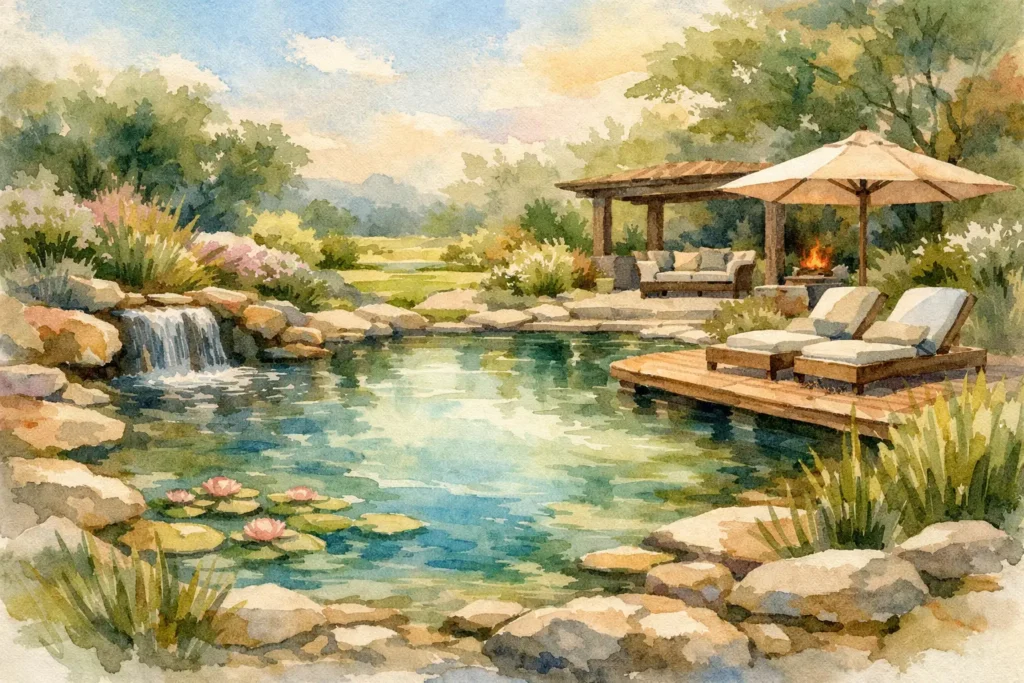
The most naturalistic work also considers where people will experience the water. Perhaps the pond is meant to be enjoyed from a kitchen window, a patio, or a favorite reading chair. Perhaps it needs a broad edge where grandchildren can watch koi, or a pathway that leads visitors toward the sound of falling water. These details turn a pond from a landscape accessory into a meaningful outdoor destination.
The Structure Beneath a Natural Pond
Natural beauty depends on disciplined construction. Excavation establishes the pond’s shape, depth, shelves, and circulation zones. Those contours affect both the visual result and the pond’s ecological balance. Shelves provide planting areas and help integrate stonework, while deeper sections can offer fish a more stable environment during temperature changes.
A professional installation typically relies on an underlayment and high-quality liner to protect the pond from roots, sharp soil, and settlement. The liner must be fitted thoughtfully around shelves, curves, and plumbing penetrations. Shortcuts here can create unnecessary stress points that may become difficult and expensive to repair later.
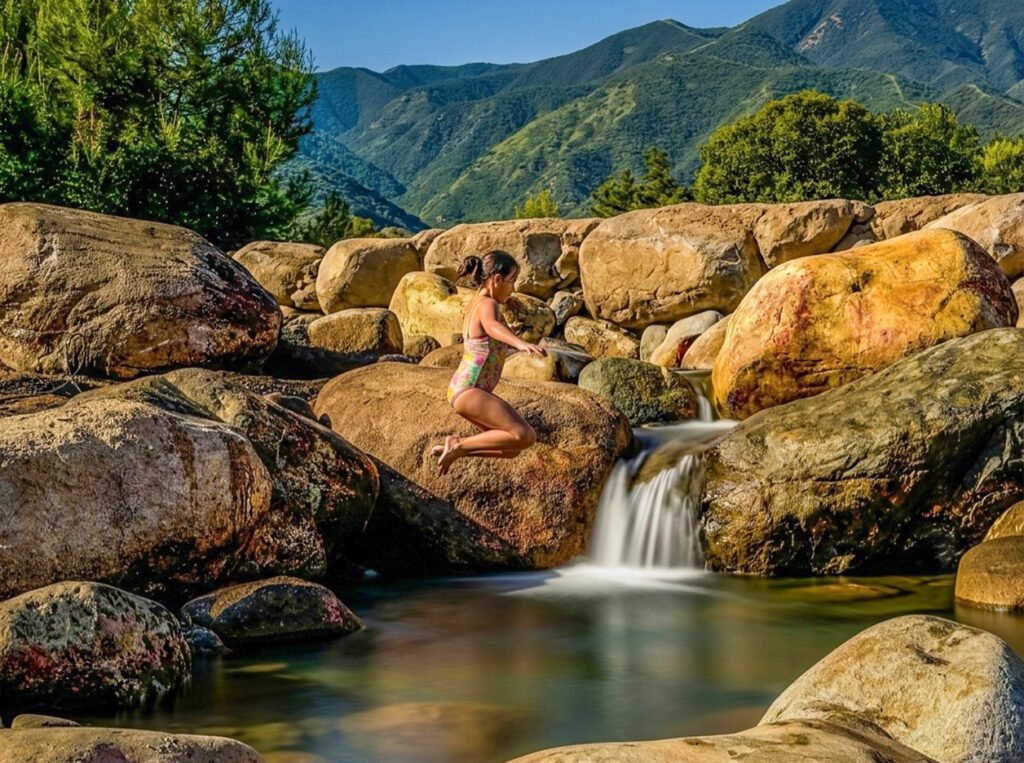
Rock placement is equally technical. Large boulders need a stable bearing surface, and each stone should appear settled rather than perched. The goal is not to line the pond with identical rocks. It is to create varied edges, shallow pockets, and transitions that make the water feel connected to the land. Properly placed stone also protects the liner, supports planting, and gives fish areas of shelter.
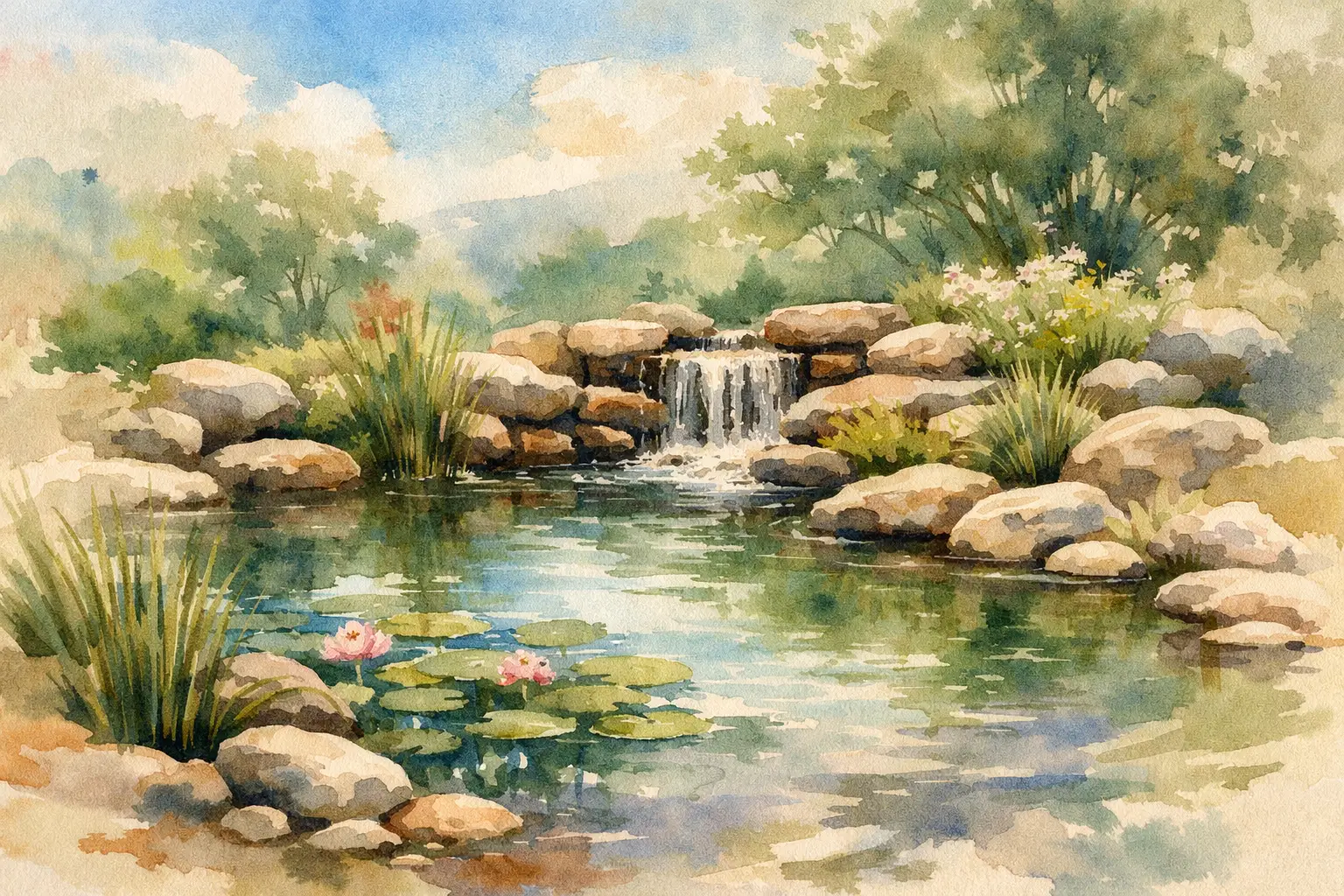
Waterfalls require their own level of precision. Water should move over each drop in a way that looks convincing, sounds pleasing, and stays inside the feature. A beautiful cascade is carefully shaped from the plumbing upward. The hidden streambed, reservoir capacity, pump selection, and stone configuration all determine whether the falls create a natural soundtrack or become a frustrating source of splashing and water loss.
Water Quality Is Designed, Not Wished For
Clear, healthy water is the result of circulation, filtration, plant life, fish load, and regular care working together. No single product can compensate for a pond that is undersized, poorly circulated, or built without adequate filtration.
A properly selected pump keeps water moving through the system. Biological filtration provides a home for beneficial bacteria that process fish waste and organic debris. Mechanical filtration captures larger material before it breaks down in the pond. Skimmers remove leaves and floating debris from the surface, while carefully positioned returns and waterfalls help circulate water through the entire feature.
The exact equipment package depends on the pond’s size and purpose. A small water garden without fish has different demands than a koi pond with a substantial fish population. A recreation pond designed for swimming requires a more comprehensive approach to water movement, filtration, and safety. Larger projects can deliver extraordinary experiences, but they need engineering and construction practices equal to their scale.
Plants are also part of the living system. Marginal plants soften pond edges, water lilies provide shade, and other aquatic plantings can contribute to a balanced appearance. Still, planting should be intentional. Too little plant coverage may leave the pond exposed to excess sunlight, while an overgrown pond can restrict circulation and make routine care more difficult.
Choosing the Right Pond for How You Live
There is no single “best” pond. The right design depends on what you want the water feature to bring to your life.
A koi pond is often the heart of a backyard, combining active fish, deep color, and the quiet ritual of feeding and observing them. It needs appropriate depth, predator considerations, dependable filtration, and a commitment to ongoing care. For owners who enjoy interacting with their fish, the return is personal and lasting.
A water garden places more emphasis on aquatic plants, reflections, and seasonal color. It can be a wonderful choice for a smaller garden or for homeowners who want the presence of water without maintaining a large fish population.
For a property with bigger ambitions, a recreation or swim pond can create a remarkable retreat. These projects are not simply oversized decorative ponds. They involve careful planning for swimming areas, natural regeneration zones, circulation, access, and integration with patios, planting, and broader outdoor living spaces.
And when a homeowner wants the movement and sound of water without open water, a pondless waterfall may be the better fit. It offers a lower-maintenance option and can work beautifully near entryways, patios, or tighter landscapes. The best choice is the one that fits the way you will use and care for the space year after year.
Planning for Maintenance Before the First Stone Is Set
Every pond needs maintenance, but a well-built pond makes that work more manageable. Seasonal cleaning, filter care, water treatment, plant trimming, and occasional adjustments are normal parts of ownership. The goal is not a pond that never needs attention. The goal is a healthy system that rewards attention rather than demanding constant troubleshooting.
During design, practical access matters. Can a technician reach the skimmer and filtration equipment without crossing delicate planting beds? Is there room to clean the pond safely? Are valves and electrical components placed where they can be serviced? These details may not be visible in finished photos, yet they have a major effect on long-term enjoyment.
Older ponds sometimes reveal the cost of poor planning through chronic leaks, failing pumps, undersized filters, or unstable rockwork. Repair may be possible, but it depends on the condition of the liner, plumbing, and surrounding structure. In some cases, a targeted repair is the responsible solution. In others, rebuilding a portion of the system provides better long-term value than repeatedly addressing symptoms.
Craftsmanship Makes the Difference You Feel
A pond is one of the few landscape features that engages every sense. You see the reflections, hear the water, feel the cooler air nearby, and notice the movement of fish and birds. That is why craftsmanship matters so much. The work must be technically sound, but it also needs an eye for proportion, texture, and the subtle irregularity found in nature.
At Aquascape Creations, our team approaches each project as a living masterpiece shaped by the people and place around it. We bring years of hands-on learning alongside respected leaders in the water-feature industry, pairing proven construction methods with nature-inspired artistry.
A lasting pond is not measured only by the day it is finished. It is measured by the quiet mornings beside it, the conversations it starts, and the sense that your landscape has become more alive. Start with a design that respects your property, your goals, and the years ahead.