A pond can still hold beautiful memories long after it has stopped working well. Maybe the waterfall has lost its sound, the water stays cloudy despite regular cleaning, or the fish seem crowded in a basin that no longer fits the way your family enjoys the yard. A thoughtful landscape pond renovation is not simply a cosmetic refresh. It is an opportunity to restore the living heart of the landscape and correct the hidden problems that keep a water feature from being a source of peace.
For many Bay Area property owners, an older pond was built with good intentions but limited filtration, undersized plumbing, aging liner, or a design that no longer suits the property. Renovation can range from targeted leak repair to a complete rebuild with new streams, boulders, planting areas, and upgraded ecosystem filtration. The right scope depends on what the pond is telling you – and what you want it to become.
When an Aging Pond Needs More Than Maintenance
Routine maintenance can remove debris, improve water clarity, and keep a healthy system running smoothly. It cannot solve a pond that was poorly built, has reached the end of its material life, or no longer serves its owners. The difference matters because repeatedly treating symptoms can become more frustrating and costly than addressing the foundation of the problem.
Persistent water loss is one of the clearest warning signs. Evaporation is normal, particularly during warm, dry weather, and splashing around a waterfall can make it seem more dramatic. But a pond that requires frequent refilling may have a liner puncture, a leaking plumbing connection, a compromised skimmer, or water escaping over the edge of the stream. Finding the actual source requires methodical testing. Replacing components before locating the leak can leave the real issue untouched.
Poor water quality is another signal. A temporary algae bloom does not automatically mean the pond needs rebuilding. Sun exposure, seasonal pollen, excess fish food, or a disrupted biological cycle can all affect clarity. Yet if murky water, odor, sludge buildup, and recurring algae return year after year, the filtration system may be undersized or the pond may lack the depth, circulation, and planting zones needed for ecological balance.
A renovation is also worth considering when the pond feels disconnected from the rest of the yard. A shallow, formal basin beside a newly remodeled home, for example, may no longer reflect the character of the property. Natural stone, layered waterfalls, aquatic plants, and a more generous shoreline can transform that isolated feature into a natural sanctuary with a believable sense of place.
What a Landscape Pond Renovation Can Change
The best renovations solve technical problems while making the pond more compelling to experience. A new pump alone may improve flow, but it will not create the feeling of standing beside a woodland stream or watching koi move through clear, well-oxygenated water. That broader vision is where design and construction must work together.
Rebuilding the Pond for Healthier Water
A healthy pond relies on circulation, mechanical debris removal, biological filtration, and enough oxygen to support fish and beneficial bacteria. In an aging pond, these systems are often hidden, inaccessible, or simply too small for the water volume and fish load.
During a rebuild, the pond can be reshaped to create better water movement and eliminate stagnant corners. A properly placed skimmer draws surface debris before it sinks. A biological filter at the top of a stream or waterfall returns clean, oxygen-rich water to the pond while creating a natural-looking destination for the circulation system. Plumbing can be sized for the intended flow rather than forced to work around whatever pipe was originally installed.
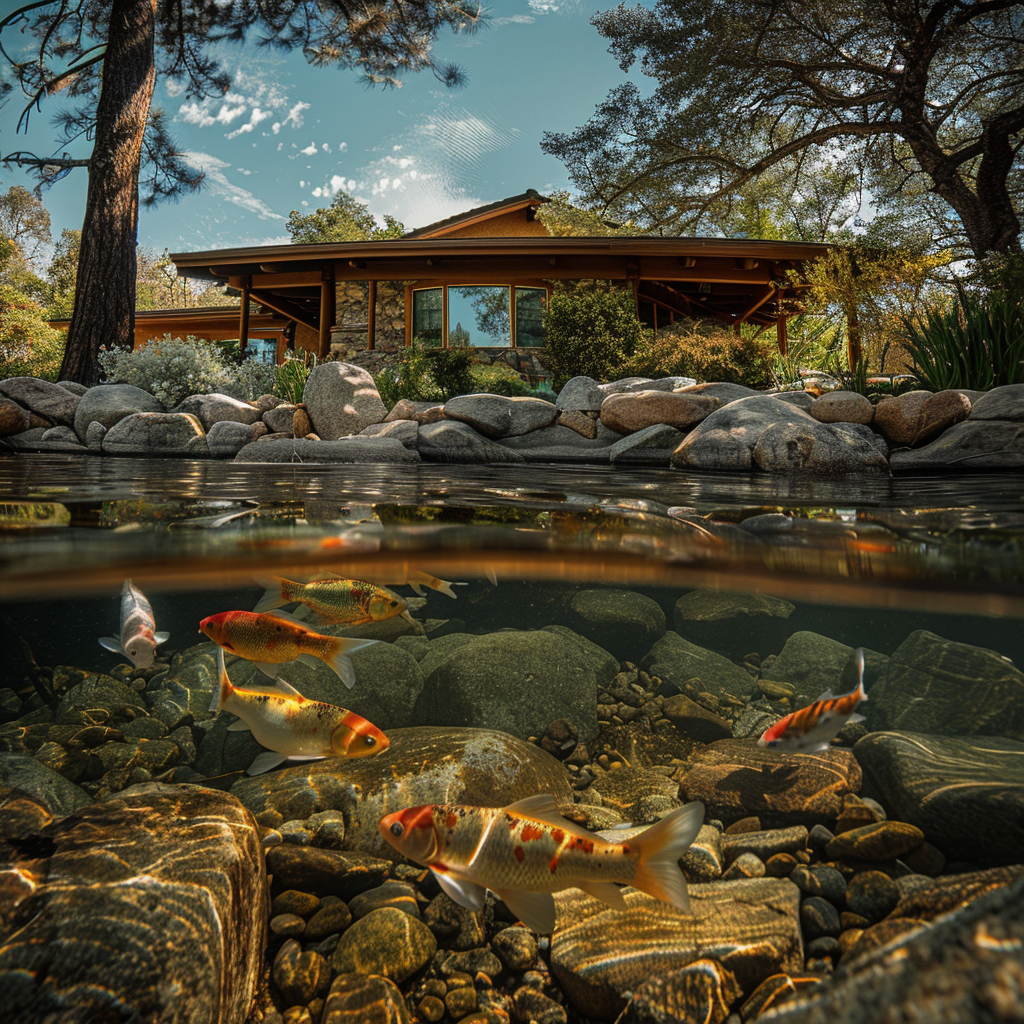
For koi ponds, depth and filtration deserve special attention. Koi are not decorative accessories. They are active, living animals that add considerable biological load to the water. A renovation may include deeper zones, improved intake protection, stronger filtration, and better access for future service. The result is not only clearer water but a more stable environment for the fish.
Creating a More Natural, More Usable Setting
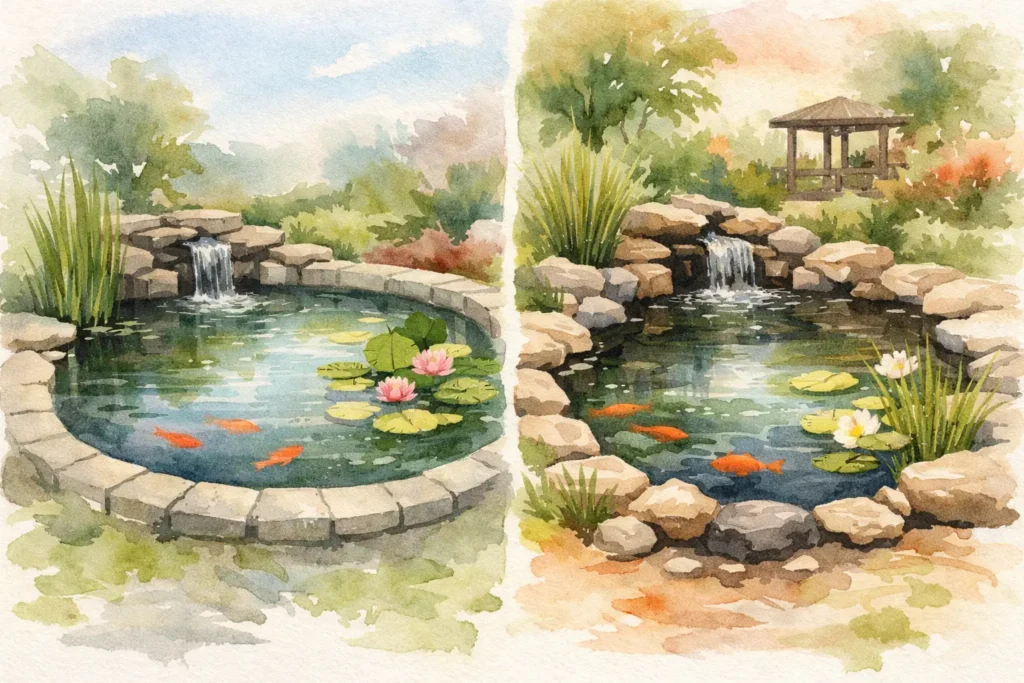
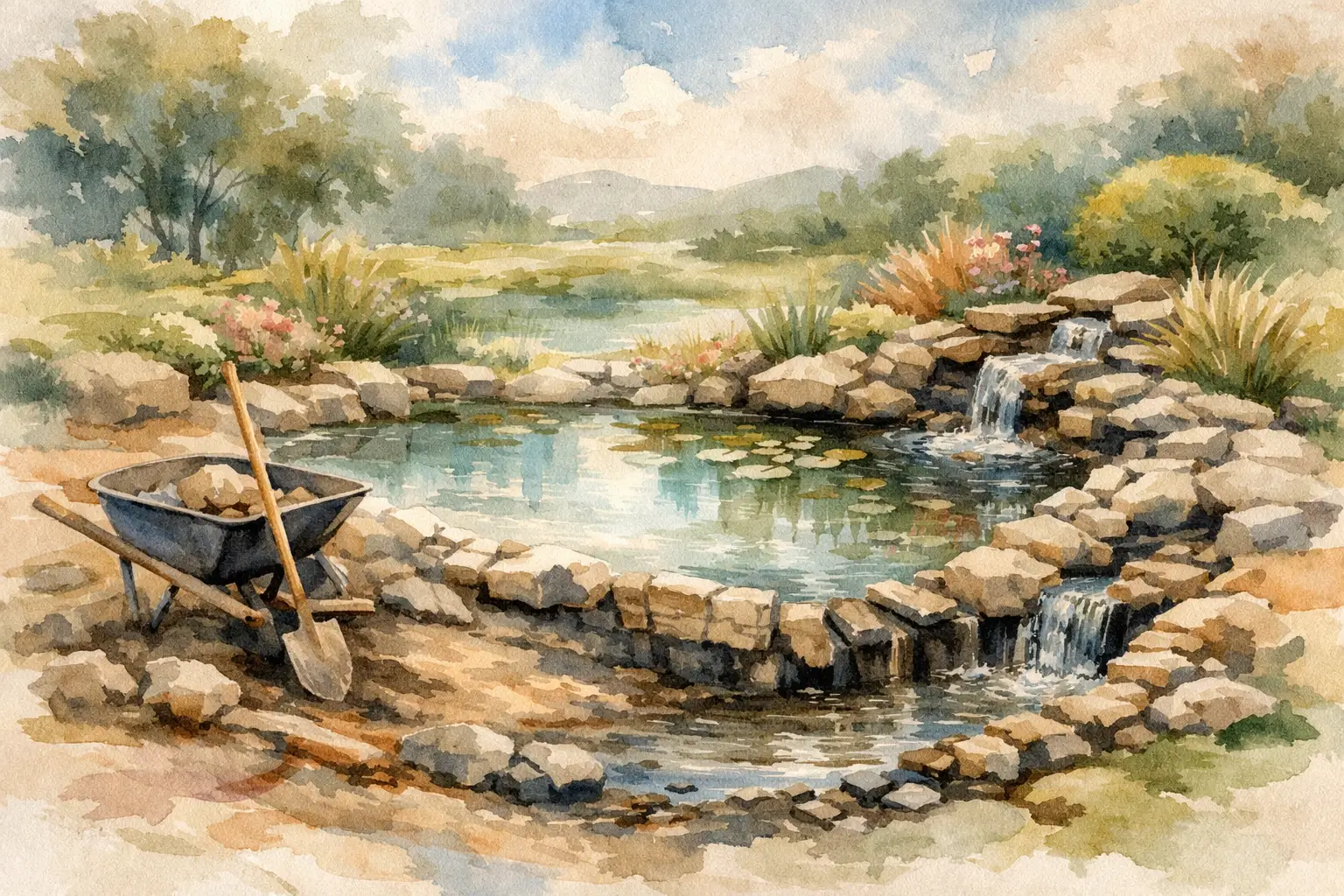
Stonework is often where a renovation becomes truly transformative. Old ponds may have exposed liner, flat rock edges, or waterfalls that look stacked rather than shaped by the landscape. Reworking elevations, selecting boulders with the right scale, and building transitions between water, planting, and hardscape give the feature a more authentic presence.
This is not about making every pond look the same. A compact courtyard water garden may need quiet movement and refined stone edges. A larger property may call for a winding stream, a bold waterfall, or an expanded recreation pond that becomes a destination for family and guests. The architecture of the home, existing grade changes, views from inside, sun patterns, and mature landscape all influence the design.
Plants should be part of the renovation conversation, not an afterthought. Marginal plants can soften edges, provide shade, and help support the pond ecosystem. The goal is balance. Too few plants can leave a pond visually bare and exposed to sun, while an overgrown planting plan can limit circulation, conceal stonework, and make maintenance harder.
Making Future Care Easier
A well-built water feature should invite you outside, not create a weekly list of chores. Renovation is the right time to improve access to filters, pumps, valves, and lighting connections. These details are not glamorous, but they are central to long-term enjoyment.
Practical upgrades may include an accessible pump vault, properly located clean-outs, efficient LED lighting, an autofill system where appropriate, and a filtration layout that can be serviced without dismantling rockwork. Material quality matters here. Durable liner, correctly installed underlayment, reliable plumbing, and professional-grade components protect the investment beneath the visible beauty.
Repair, Renovate, or Start Over?
Not every pond needs a complete demolition. If the basic structure is sound and the issue is isolated, a precise repair may be the smartest approach. A damaged fitting, leaking waterfall spillway, failing pump, or worn-out light can often be corrected without rebuilding the entire feature.
Renovation makes more sense when several systems are failing at once or when the pond needs a meaningful design change. If the liner is aging, filtration is inadequate, stonework is unstable, and the pond has never been easy to maintain, piecemeal fixes may only delay a larger project. Rebuilding can be the more responsible long-term choice because it allows the system to be designed as one connected whole.
Starting over is sometimes necessary, particularly when a pond was built without proper excavation, has severe structural issues, or occupies a location that cannot support the desired use. This does not mean the original feature was a mistake. It means the property and your expectations have evolved. A new plan can retain what you love – the sound of water, a favorite viewing area, existing fish when conditions allow – while leaving behind the limitations.
The Renovation Process Should Begin With Listening
Before proposing a design, a qualified pond contractor should inspect the feature closely and ask how you use the space. Do you want to keep koi? Is the pond viewed from a kitchen window, a patio, or a primary bedroom? Are you seeking a quiet water garden, a dramatic entertaining backdrop, or a safer and more functional feature for children and pets? The answers shape every decision that follows.
Site conditions matter just as much. Sloped properties may offer wonderful opportunities for cascades but require careful water management and stable construction. Tight access can affect equipment choices and stone placement. Mature trees create welcome shade but also add leaves, roots, and seasonal maintenance considerations. In California, water-conscious planning and efficient recirculation are part of responsible design.
A clear scope should explain what will be retained, removed, upgraded, and protected during construction. It should also address fish and plant handling if the pond is occupied. For a full rebuild, fish may need temporary housing with aeration and monitored water quality. This is specialized work, not a detail to leave until construction day.
At Aquascape Creations, this personal, site-specific approach is central to the work. The goal is never to force a standard pond into a unique yard. It is to bring together nature-inspired artistry, sound construction methods, and the practical systems that allow the water feature to perform beautifully for years.
Plan for the Pond You Want to Live With
Budget is naturally part of any renovation, but it should be discussed in relation to scope and long-term value rather than a single replacement part. The cost can vary significantly based on access, excavation, pond size, fish protection, stone selection, electrical work, filtration needs, and the complexity of waterfalls or streams. Large projects may involve drainage planning, retaining conditions, or coordination with broader landscape improvements.
It can be tempting to minimize the work by reusing every existing component. Sometimes that is sensible. Other times, retaining old plumbing or worn filtration saves money only at the beginning. A good plan distinguishes between materials that still have useful life and those likely to create the next failure point.
The most rewarding pond renovations do more than make water look clean on the day construction ends. They create a place where mornings begin more quietly, children learn to watch fish, guests linger by the patio, and the landscape feels more alive. When the structure, circulation, stonework, and planting are working together, an aging pond can become the living masterpiece it was always meant to be.