
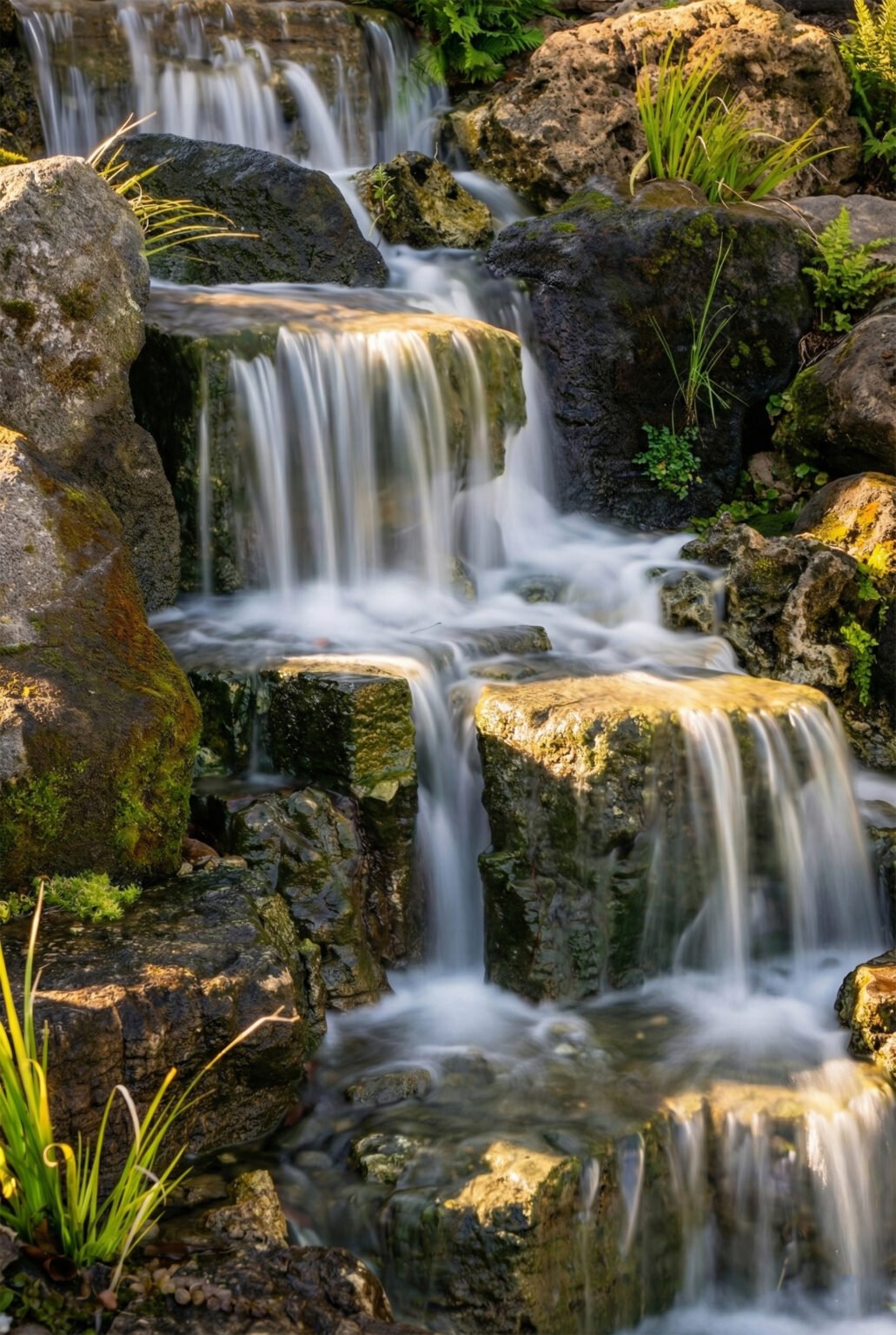
Pondless waterfalls have become one of the most requested outdoor water features in the Bay Area. They offer the sound, movement, and natural beauty of water without the same level of maintenance that comes with a traditional pond.
Over the years, we have noticed that most clients ask for three specific things when planning a pondless waterfall. Two of them we are usually happy to achieve. The third one is possible, but only when the space, grading, materials, and budget make sense.
1. “Can I Have a Pooling Area at the End Instead of Just Gravel?”
This is one of the most common requests we receive, and it has almost become a standard detail in many of our pondless waterfall projects.
Instead of having the water disappear immediately into gravel at the bottom, many clients want a shallow pooling area where the water gathers before returning to the underground reservoir. This area may be only a few inches deep, or sometimes close to a foot, depending on the design.
The challenge is not creating the pool. The challenge is creating it correctly.
A pondless waterfall is loved because of its low-maintenance nature. When a pooling area is not built properly, it can become a maintenance problem. Some contractors simply build a small wall around the basin to hold water. The issue is that once the system is turned off, that water stays exposed to sunlight. Over time, it can turn green, become stagnant, and even create a place for mosquitoes.
That is not how we build them.
At Aquascape Creations, we design pooling areas so that when the system turns off, the water disappears back into the reservoir. The feature still gives the look and feel of a shallow natural pool while running, but it does not leave standing water behind when the pump is off.
This takes proper planning. We have to calculate the water in motion, the size of the reservoir, the flow rate, and how much water the system needs to hold once everything drains down. When done right, the client gets the beauty of a pooling area without losing the main benefit of a pondless waterfall.
2. “Can We Add More Flow So We Don’t Hear Traffic or Outside Noise?”
This is another request we hear all the time, especially here in the Bay Area where many homes are close to roads, neighbors, and busy outdoor spaces.
At first, it sounds simple. Install a larger pump, increase the flow, and suddenly the waterfall is loud enough to cover traffic noise.
The problem is that louder is not always better.
A waterfall that sounds powerful during the first few minutes may become too much during daily use. You may block the traffic noise, but now you cannot comfortably talk with family during a gathering. You may not be able to relax with a cup of coffee, read a book, or enjoy the backyard without the waterfall overpowering the space.
Most clients do not actually want a loud gushing waterfall all the time. What they usually enjoy more is the soft bubbling sound of water. But during larger gatherings, they may want a little more flow, more movement, and more sound.
That is where experience makes a difference.
We use different design techniques to shape the sound of the waterfall. The placement of boulders, the height of each drop, the depth of the water pockets, the width of the stream, and the way the water breaks over stone all affect how the feature sounds.
When we pair those details with a variable-speed pump, we can give clients more control. The waterfall can run softer and more peaceful during quiet mornings, then be turned up when they want more sound and energy during gatherings.
An interesting thing we have learned is that many people call our office asking if there is a way to make their existing waterfall less loud. That tells us something important: sound has to be designed, not just forced.
3. “Can My Waterfall Be as Tall as My Fence?”
This is probably one of the most common requests we are least likely to recommend.
Many clients imagine a tall waterfall rising near the fence line, with water dropping from a dramatic height. In the right setting, with natural elevation, large boulders, proper equipment access, and the right budget, it can be done beautifully.
But in most Bay Area properties, the lots are flat.
To create a tall waterfall on a flat yard and still make it look natural, we need a large amount of soil, boulders, grading, structural support, machine access, and careful design. Without those things, the feature can quickly start looking forced.
This is where many waterfall projects go wrong.
Some companies try to satisfy the request by stacking rocks high against a fence. The end result often looks more like a volcano than a natural waterfall. Instead of looking like something nature created, it looks like a pile of rocks with water coming out of the top.
It can also create problems with safety, access, long-term stability, splash, water loss, and maintenance.
At Aquascape Creations, our goal is not just to build a waterfall. Our goal is to create something that looks like it belongs in the space. Sometimes that means a lower, wider, more natural waterfall will look far better than a tall, narrow one.
A waterfall does not need to be as tall as a fence to feel impressive. With the right stone selection, water movement, planting, and sound, a properly designed pondless waterfall can feel powerful, peaceful, and natural without being oversized.
The Right Pondless Waterfall Is About Balance
A great pondless waterfall is not just about moving water from the top to the bottom. It is about understanding how the feature will look, sound, drain, age, and function for years.
The most requested ideas are not always wrong. In fact, many of them can become beautiful design details when they are handled correctly.
A shallow pooling area can be stunning if it drains properly.
More flow can be amazing if the sound is controlled.
A taller waterfall can work if the property and budget support it.
But when those details are done without the right planning, they can create maintenance issues, poor water quality, unnatural designs, and long-term problems.
That is why experience matters.
At Aquascape Creations, we design and build pondless waterfalls throughout the Bay Area with a focus on natural appearance, proper function, and long-term reliability. Our goal is to create water features that do not just look good on day one, but continue to feel natural and enjoyable for years to come.
FAQ: Pondless Waterfall Design
Can a pondless waterfall have a small pool at the bottom?
Yes. A pondless waterfall can include a shallow pooling area at the bottom, but it needs to be designed so the water drains back into the underground reservoir when the system turns off. This helps avoid stagnant water, algae, and mosquito issues.
Can a pondless waterfall help reduce traffic noise?
Yes, the sound of moving water can help soften outside noise, including traffic. The key is designing the waterfall sound correctly. Too much flow can become overwhelming, while a balanced bubbling sound is often more enjoyable for daily use.
Is a variable-speed pump worth it for a pondless waterfall?
Yes. A variable-speed pump allows you to adjust the flow and sound of the waterfall. You can run it softer for everyday relaxation and increase the flow during gatherings or when you want more sound.
Can a pondless waterfall be tall?
Yes, but it depends on the property. Tall waterfalls require proper grading, large boulders, enough space, safe construction, and a realistic budget. On flat Bay Area properties, a lower and more natural design often looks better.
Why do some pondless waterfalls look unnatural?
Many look unnatural because the waterfall is built too tall for the space, the rocks are stacked incorrectly, or the design does not follow natural water movement. A good waterfall should look like it belongs in the landscape, not like a pile of rocks against a fence.
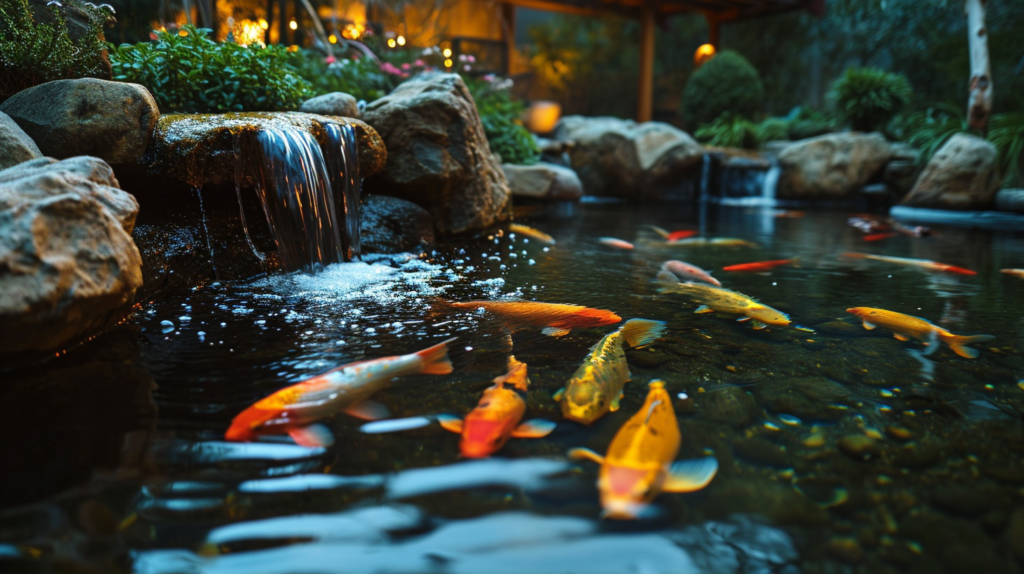
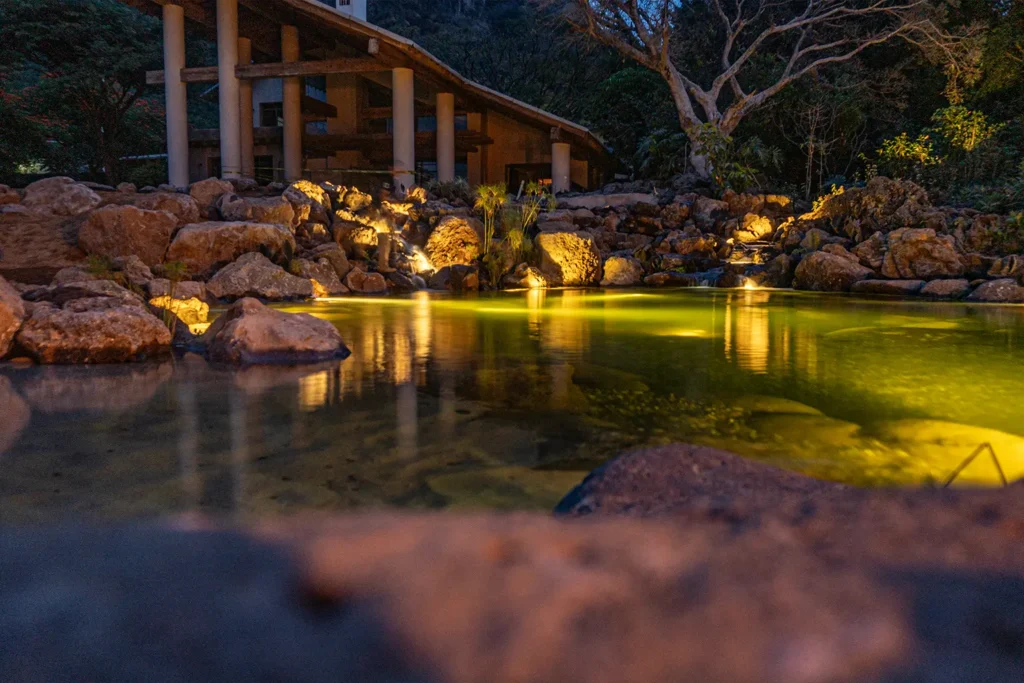
[…] Pondless waterfalls are often an excellent choice for commercial settings where clients want the movement and sound of water with a lower-maintenance profile. Water disappears into a concealed underground reservoir, then recirculates to the top of the falls. They work beautifully near entrances, patios, courtyards, and areas where open water is not desirable. […]