A $25,000 budget can create a beautiful, deeply personal water feature, but the honest answer to “what would a $25,000 pond get me in the Bay Area?” depends on the property as much as the pond itself. On a straightforward backyard site, that investment can often produce a naturalistic garden pond with a recirculating waterfall, quality filtration, aquatic planting areas, and enough presence to become the heart of the landscape. On a steep, tight, or access-challenged site, more of the budget goes into the work below and around the water.
The goal is not to stretch a budget into the largest possible hole in the ground. It is to build a living masterpiece that looks at home on your property, performs reliably, and gives your family years of enjoyment.
What $25,000 can get you in a Bay Area pond
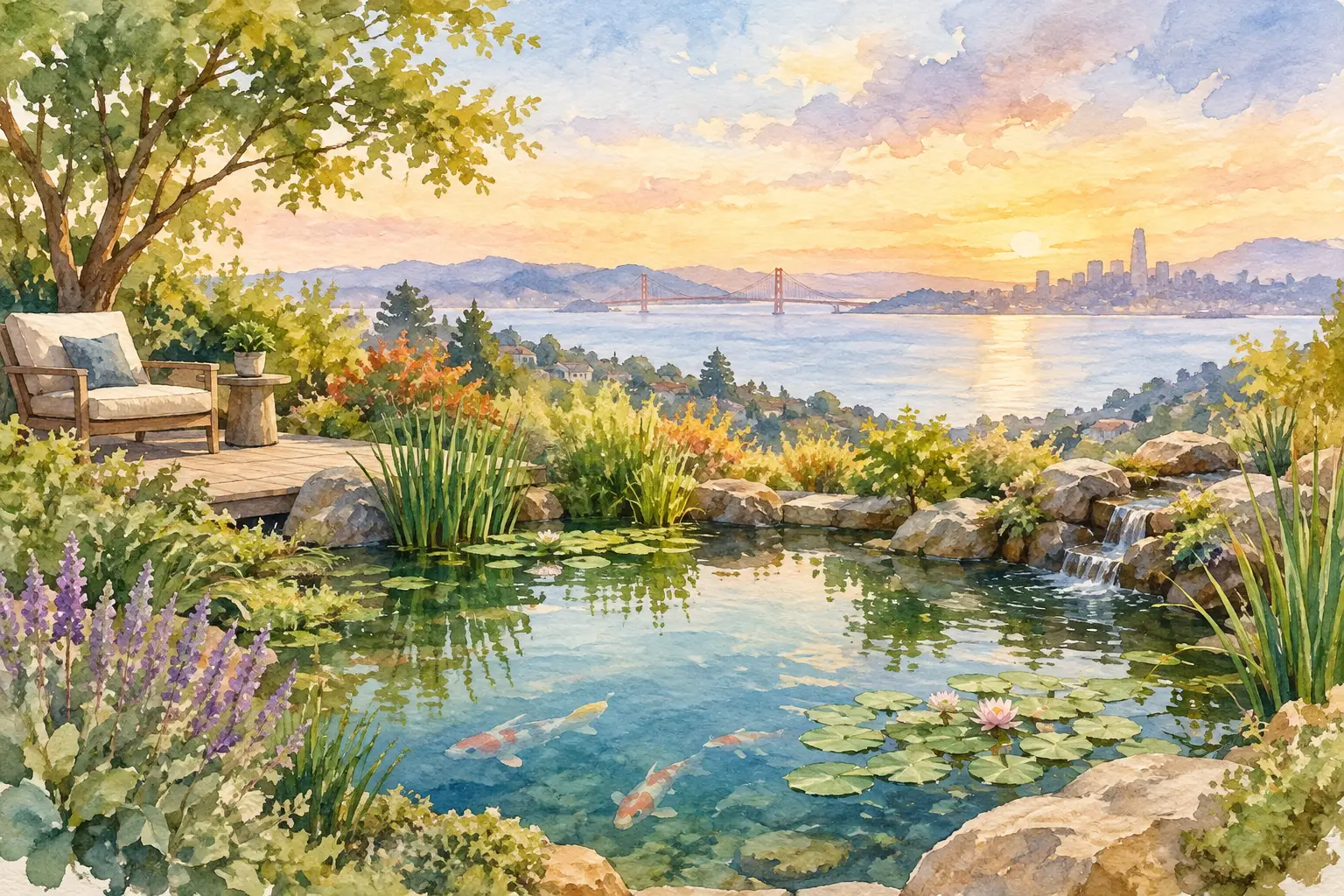
For many homeowners, $25,000 is a meaningful starting range for a professionally built, naturalistic pond or pond-and-waterfall feature. A typical project at this level may be a compact-to-mid-sized ecosystem pond, often in the range of roughly 8 by 11 feet to 11 by 15 feet, though dimensions alone never tell the whole story.
A pond designed for this budget can include shaped excavation, underlayment and liner, a properly sized circulation pump, biological filtration, plumbing, rockwork, gravel, and a waterfall that provides movement and sound. It may also include selected aquatic plants and lighting, depending on the complexity of the design and conditions at the site.
The finished experience matters more than the square footage. A well-proportioned pond with varied stone, shallow shelves, a thoughtful waterfall, and room for plant life can feel far more natural and generous than a larger feature built without depth or detail. The water should invite you outside, soften the edges of the yard, and make even an ordinary evening feel more restorative.
At this price point, homeowners should generally think of a garden pond rather than a large koi showcase pond, recreation pond, or swim pond. Those larger systems require substantially more excavation, structural planning, filtration capacity, and site coordination.
A realistic feature mix
The best use of a $25,000 investment is often a focused design with strong fundamentals. That usually means prioritizing a durable liner system, reliable pump and filtration equipment, skilled rock placement, and a layout that supports easy future care.
A smaller pond with a convincing stream and waterfall can be especially rewarding in compact yards. The sound of falling water helps create privacy near patios and outdoor seating, while a planted pond edge gives the feature a settled, natural character. If fish are part of the plan, the pond should be designed around their needs from the beginning rather than treating them as an afterthought.
Lighting can be a worthwhile addition when it is used with restraint. A few well-placed fixtures can illuminate a waterfall, reveal texture in the stone, and let the pond remain part of the landscape after sunset. More elaborate lighting packages, extensive planting, or premium specimen boulders may require trade-offs elsewhere in the project.
Why Bay Area pond costs can vary so much
Two properties with the same desired pond size can have very different construction needs. This is particularly true throughout the Bay Area, where sloped lots, hillside access, clay soils, established gardens, and narrow side yards are common.
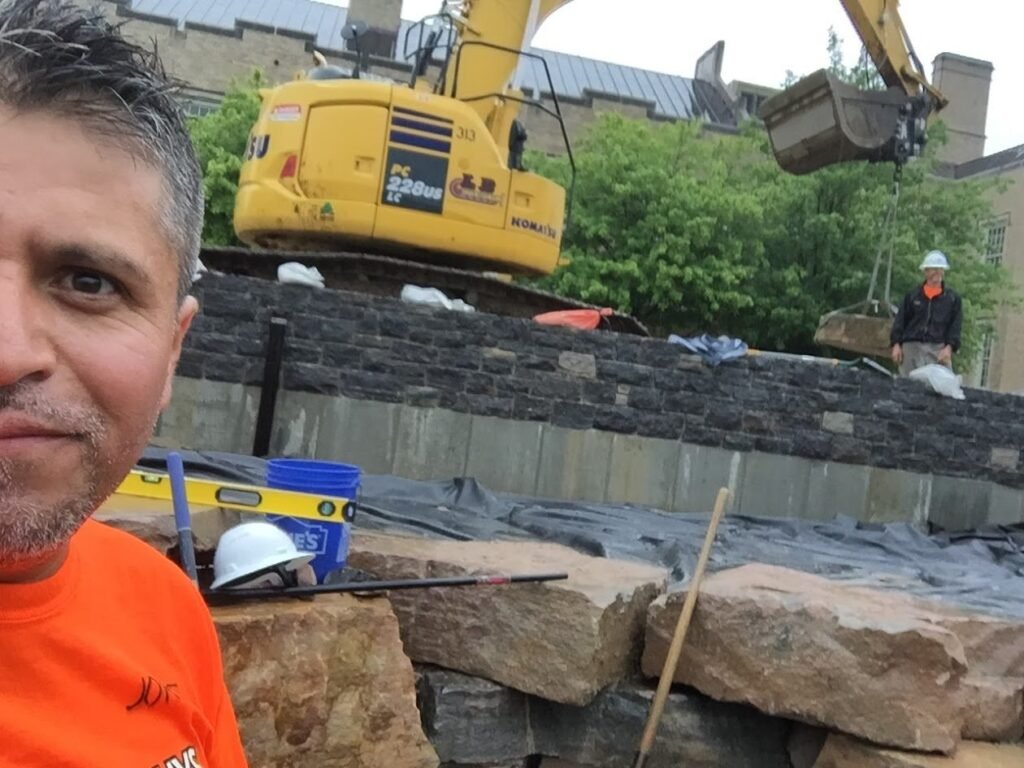
Access is one of the first questions a professional builder considers. Can equipment reach the backyard? Is there a clear path for soil removal and delivery of stone? If materials must be moved by hand through a narrow side yard or down a long set of stairs, labor increases quickly. That does not mean the project is not possible. It simply means the design and budget need to acknowledge the reality of the site.
Existing utilities, drainage patterns, retaining walls, and mature tree roots also shape the work. A pond should not be installed as an isolated decorative object. Water needs to be managed carefully, equipment needs service access, and the feature needs to fit the grade of the yard. The strongest projects look effortless because the planning behind them is anything but casual.
Permitting may be another consideration, especially for major grading, electrical work, or larger water environments. A modest ornamental pond often has a simpler path than a large recreation feature, but each municipality and property presents its own requirements.
Where to spend the budget first
A pond is only as good as the system that keeps it healthy. Beautiful stonework matters, but the hidden components are what protect the beauty over time. A quality pump, correctly sized plumbing, biological filtration, and a properly installed liner are not glamorous line items, yet they are central to clear water, efficient circulation, and dependable operation.
Construction craftsmanship deserves the same priority. Boulders need to be set securely and naturally, not perched in place. Waterfall drops need to be formed so water stays within the stream rather than disappearing behind rock. Pond shelves need to support planting and create a safe, gradual visual transition from land to water. Details like these separate a feature that feels natural from one that looks assembled.
If the budget requires choices, it is generally wiser to reduce the footprint or simplify a secondary stream than to compromise on the circulation system or installation quality. A pond can be expanded or enhanced over time. Repairing a poorly built foundation is much more difficult.
The choices that can change the scope
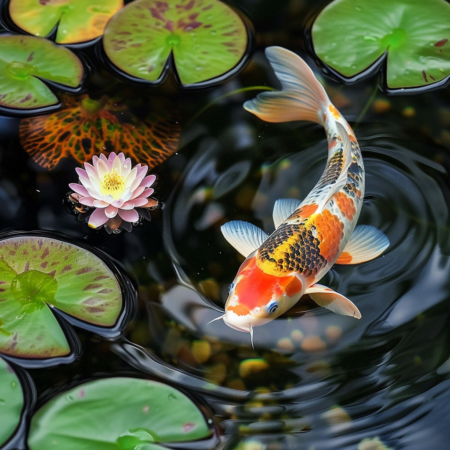
Koi are a wonderful addition, but they affect design. They need adequate water volume, depth, oxygenation, and filtration. A pond intended for a few small goldfish has different requirements than one intended to support a growing koi collection. Be clear about your goals before excavation begins.
The same is true for waterfalls. A single, carefully designed falls can create a rich sound and compelling focal point. A long stream with multiple drops, however, requires more stone, more grading, more liner, and more installation time. It may be worth it on the right property, especially when the landscape has a natural slope, but it changes the project significantly.
Planting is another place where personal preference matters. Some homeowners want a lush water garden full of lilies, marginal plants, and seasonal color. Others prefer open water, sculptural stone, and a cleaner architectural look. Both can be beautiful. The key is making sure the pond’s filtration, shelves, and maintenance plan match the vision.
Plan for care, not just construction
A pond is a living landscape feature. Leaves, fish load, sun exposure, plant growth, and local wildlife all influence how it performs through the year. Good design lowers maintenance demands, but no natural water feature is entirely maintenance-free.
Before committing to a pond, consider who will care for it. Some owners enjoy seasonal plant trimming, skimmer checks, and watching water chemistry. Others want professional service so they can simply enjoy the view. Either approach can work when expectations are clear.
Routine care often includes removing debris, cleaning filtration components as needed, monitoring pumps, trimming plants, and preparing the system for seasonal changes. A well-built pond makes these tasks more manageable because the equipment is accessible and the ecosystem has been designed to work as a balanced whole.
Is $25,000 the right budget for your vision?
If your vision is a natural garden pond with moving water, stonework, and a strong sense of place, $25,000 can be a very productive budget. It is enough to prioritize quality materials and real craftsmanship rather than settling for a prefabricated feature that may not suit the property or hold up over time.
If your dream includes a broad koi pond, major stream system, dramatic elevation changes, extensive hardscape integration, or a pond designed for swimming and recreation, it is wise to begin with a larger investment range. There is no benefit in forcing a big vision into a small scope. A phased plan may be the smarter path, beginning with the core pond and waterfall, then adding landscape planting, lighting, or adjacent outdoor living elements later.
At Aquascape Creations, the conversation starts with how you want to live around the water. Whether the finished pond becomes a quiet morning retreat, a gathering place for family, or the visual anchor of a transformed backyard, the best first step is a design that respects both your budget and the character of your land.