A backyard should not force you to choose between a place to swim and a landscape you love looking at every day. The natural swim pond versus pool decision comes down to more than chlorinated water or a beautiful shoreline. It is a choice about how you want your outdoor space to feel, how it will function for your family, and what kind of care you want to give it over the years.
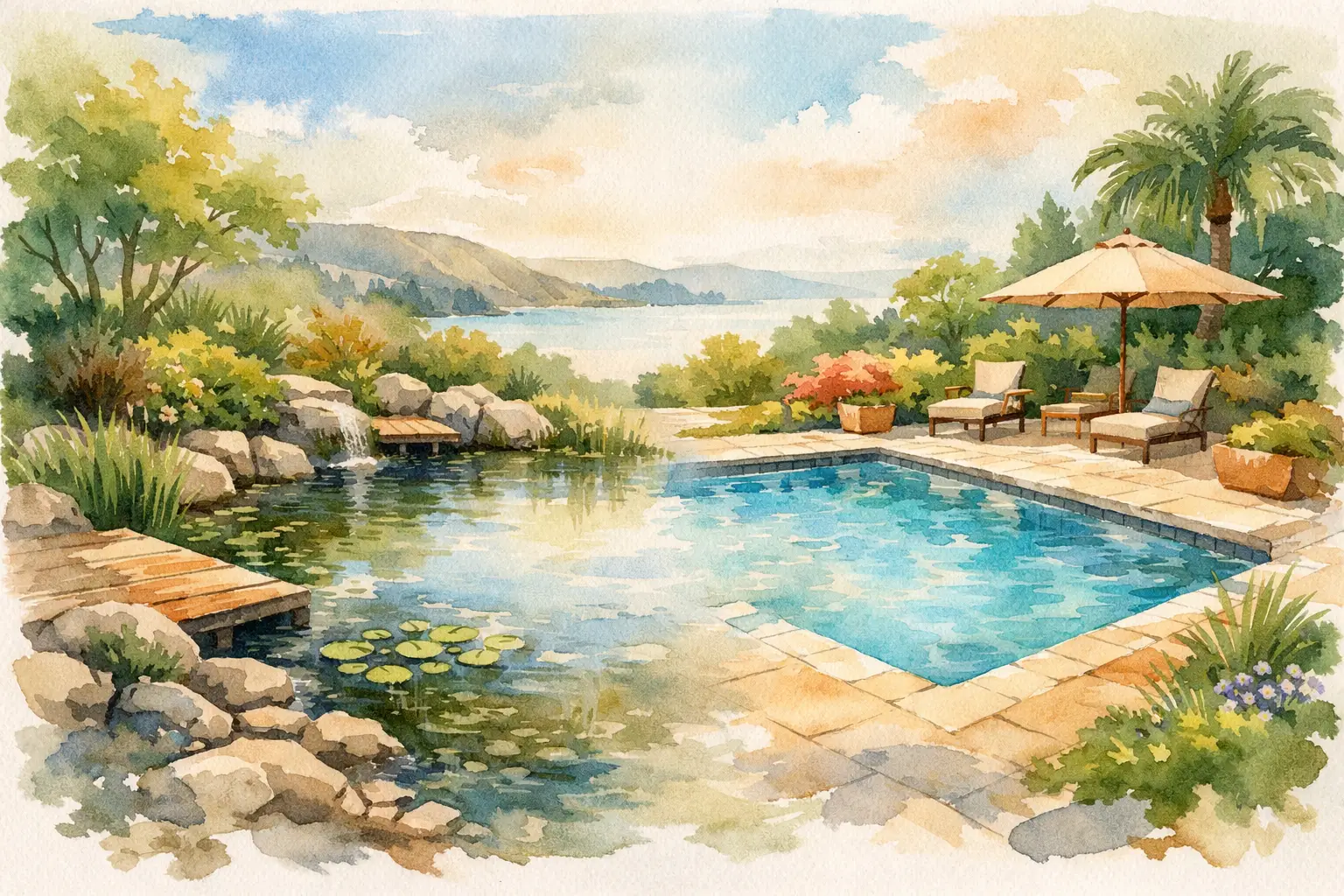
A conventional pool delivers a familiar, controlled swimming experience. A natural swim pond creates a living water environment shaped by stone, plants, moving water, and biological filtration. Both can become the center of a remarkable outdoor space. The right answer depends on your site, expectations, budget, and comfort with nature being part of the experience.
Natural Swim Pond Versus Pool: The Core Difference
A traditional pool is a contained vessel designed primarily for recreation. Its structure is typically defined by clean edges, plaster or tile finishes, mechanical circulation, and chemical sanitation. It can be formal, modern, geometric, or softened with surrounding landscaping, but the water itself remains clearly separate from the garden.
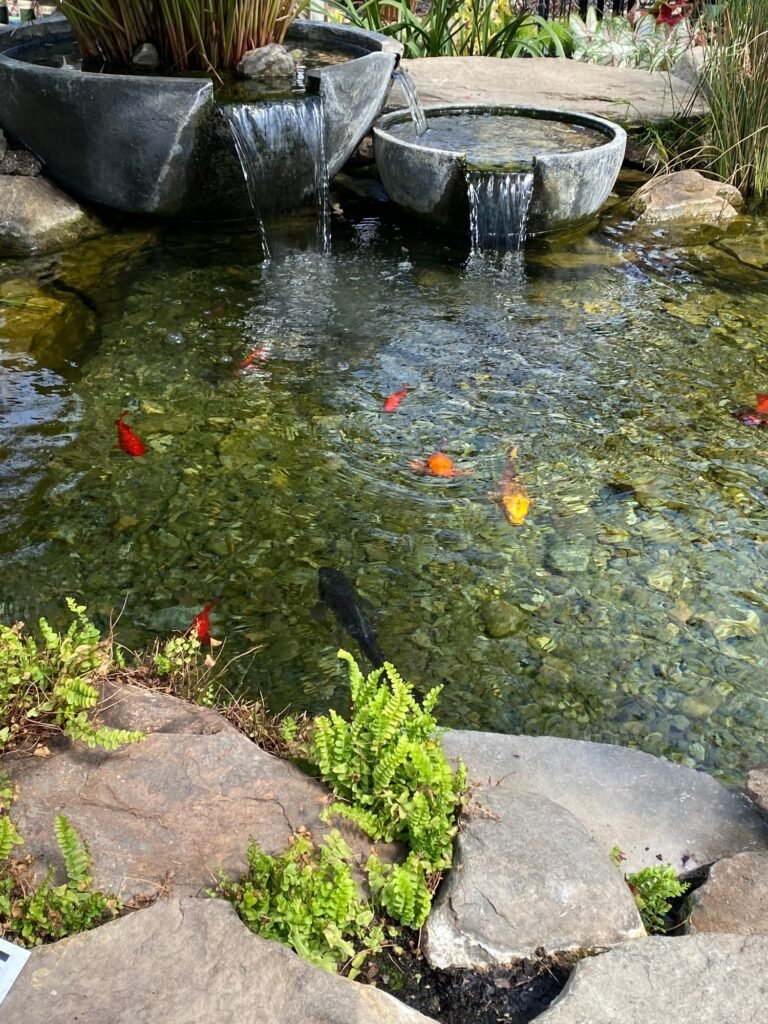
A natural swim pond is designed as a water ecosystem. The swimming zone is paired with biological filtration, often in a separate regeneration area filled with gravel, beneficial bacteria, aquatic plants, and carefully selected circulation equipment. Water is drawn through the system, filtered naturally, and returned through streams, waterfalls, intake bays, or jets. The result can resemble a private swimming hole, a mountain lake, or a refined water garden with a dedicated place to swim.
That distinction changes everything from the visual impact to the maintenance routine. A pool is a recreational feature enhanced by landscape design. A well-built swim pond is a landscape feature that also invites you into the water.
The Experience: Crisp Precision or Natural Immersion
For some homeowners, nothing replaces the clean simplicity of a pool. You may want clear open water for lap swimming, pool games, automatic covers, and a surface that looks the same in every season. If your home has a contemporary architecture or an established pool-centered entertaining area, a custom pool may be the natural fit.
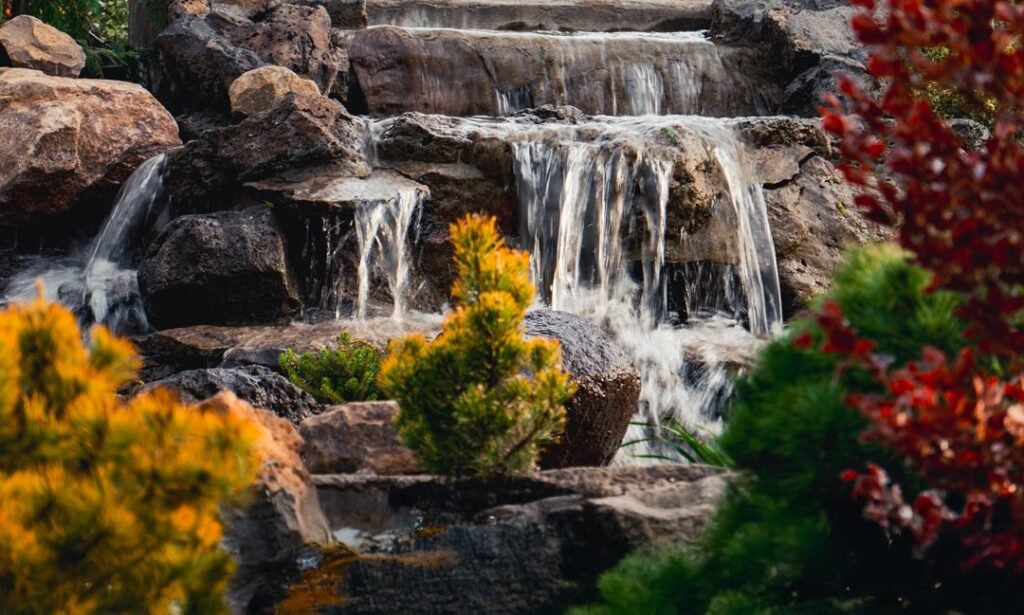
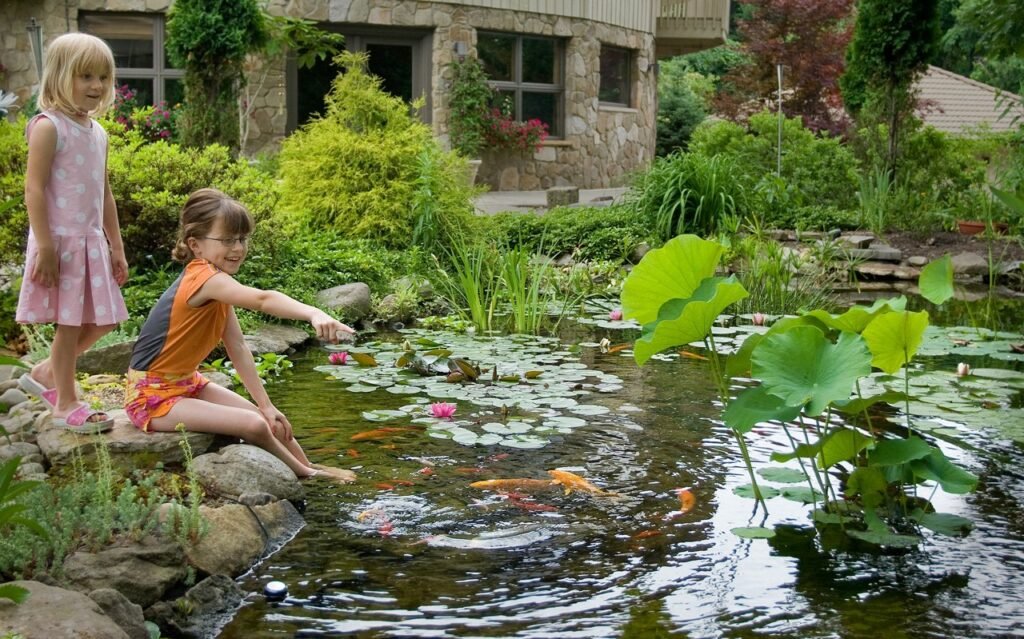
A swim pond offers another kind of luxury: the feeling that water belongs on the property. Boulders can reflect the scale of the land. A beach entry can make it easy for children to wade in. A waterfall can provide sound and circulation. Native-looking plantings, water lilies, and carefully composed shoreline details make the space compelling even when nobody is swimming.
This matters in the Bay Area, where outdoor living often stretches far beyond a few summer months. A pool can look closed down in winter. A natural swim pond remains a living focal point, drawing birds, creating movement, and giving the garden a calm, finished presence all year.
There is a trade-off. Natural water is not meant to look chemically sterile. Properly filtered swim pond water can be clear, fresh, and inviting, but it may contain plant life, occasional leaves, and the visual variation that comes with a real ecosystem. Homeowners who want an immaculate blue rectangle at all times will usually be happier with a pool. Those who value the character of water in nature often find a swim pond far more rewarding.
Water Quality and Filtration
Pool water quality relies on chemistry and mechanical equipment. Chlorine, salt systems, or other sanitizers manage bacteria, while pumps and filters remove debris. The approach is familiar, predictable, and effective when equipment and water chemistry are maintained correctly.
Natural swim ponds use circulation and biological filtration as the foundation of water quality. Beneficial bacteria colonize the gravel and filter media, where they help process nutrients that would otherwise feed algae. Plants can support the system, but they are not a substitute for correctly sized pumps, filtration, plumbing, intake zones, and construction details. Clear water is earned through design and balance, not simply by adding plants around a pond.
This is where craftsmanship matters. A recreation pond needs more than an attractive shoreline. The hydraulic design must account for pond volume, swimmer load, sun exposure, debris from nearby trees, grade changes, and how water will move through each part of the system. An undersized or poorly built system can create frustrating maintenance problems. A properly planned one offers a more natural approach to swimming without turning your backyard into a science experiment.
Maintenance: Different Work, Not No Work
Neither option is maintenance-free. The better question is what kind of maintenance fits your lifestyle.
Pools need recurring chemical testing and adjustment, filter service, skimming, vacuuming, and seasonal equipment attention. Automated controls can reduce hands-on work, but they do not eliminate the need for professional oversight. In areas with intense sun, debris, or heavy use, water balance requires consistent attention.
Natural swim ponds need surface debris removed, filters and intake areas cleaned, pumps checked, and plants managed as the seasons change. The ecosystem may also need periodic professional cleaning or adjustment to keep nutrient levels and circulation in balance. A pond with a thoughtful layout can make these tasks straightforward by providing access to key components without compromising the natural appearance.
The honest comparison is that a swim pond exchanges chemical management for ecological stewardship. Some homeowners prefer that relationship with their landscape. Others want the standardized routine and highly controlled appearance of a pool. Both choices benefit from a service plan that protects the investment and catches small issues before they become costly repairs.
Design Freedom and Site Challenges
A pool often requires a strong visual commitment: a defined shape, surrounding hardscape, safety considerations, and a finish that fits the architecture. That can be exactly right for a courtyard, modern home, or compact entertaining area.
A natural swim pond can be shaped around the property rather than imposed on it. It can step with a slope, tuck into a garden, frame a view, or use grade changes to create a waterfall that feels as though it has always been there. On a large property, the regeneration zone can become a substantial water garden. On a more constrained site, it may be designed discreetly so the swimming area remains generous and usable.
Site conditions still matter. Sun exposure, drainage, access for excavation, soil conditions, nearby trees, local permitting requirements, and safety needs all influence what is possible. A pond is not automatically the lower-impact choice simply because it is naturalistic. It needs a clear plan for water movement, overflow, structural stability, and long-term access to equipment.
Cost: Look Beyond the Starting Number
Custom pools and natural swim ponds can both represent major landscape investments. Final cost depends on excavation, structural requirements, access, finish materials, equipment, hardscape, lighting, site conditions, and the level of custom stonework or planting involved.
A basic comparison can be misleading because these are not identical products. A simple pool may cost less than a highly detailed recreation pond with extensive boulders, waterfalls, and a large biological filtration zone. On the other hand, a natural swim pond may combine the visual role of a pool, water garden, waterfall, and landscape centerpiece in one coordinated project.
Think about the value over time, not only construction day. Consider expected maintenance, energy use, future repairs, how the feature works in every season, and whether it makes the entire backyard more enjoyable. The most successful projects are designed around the way a family actually lives: morning swims, weekend gatherings, quiet evenings beside moving water, or a private retreat from a demanding day.
Which One Belongs in Your Backyard?
Choose a pool when your priorities are a familiar swimming environment, consistent visual uniformity, lap swimming, games, and a highly controlled water-care system. It can be a beautiful and lasting addition when designed as part of the whole landscape rather than as an isolated construction project.
Choose a natural swim pond when you want swimming to be part of a larger nature-inspired sanctuary. It is especially compelling for homeowners who want waterfalls, stone, planting, and living water to carry the same importance as the swimming itself. It also suits properties where terrain and natural character deserve to lead the design.
At Aquascape Creations, the best projects begin with listening to how a client wants to experience the space, then designing the water environment to perform beautifully for years. Whether your vision leans toward a pool or a natural recreation pond, let the property guide the decision. The most meaningful backyard water feature is the one that still calls you outside long after the construction equipment is gone.