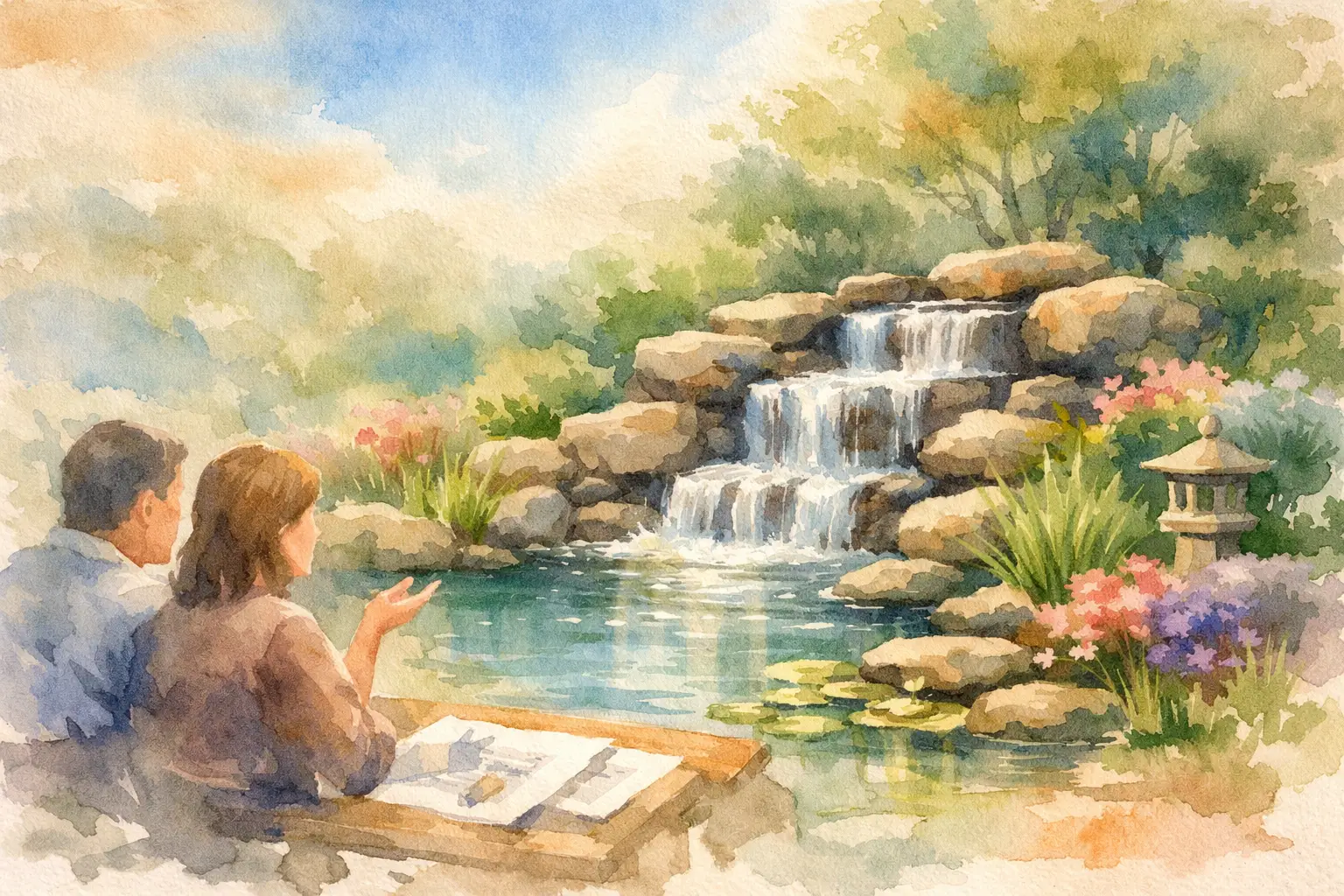
A beautiful pond or waterfall rarely begins with a catalog image. It begins with a water feature design consultation that looks closely at the land, the way your family lives outdoors, and what you want to feel when you step outside. A small change in grade, a nearby view from the kitchen, or the sound of traffic beyond a fence can shape the entire design.
For homeowners considering a meaningful outdoor upgrade, the consultation is where inspiration becomes a buildable plan. It is also where costly assumptions are replaced with clear answers about placement, scale, circulation, maintenance, and the investment required to create a water feature that belongs on the property.
A Great Water Feature Starts With the Site
Naturalistic water features should feel as though they have always been part of the landscape. That effect does not come from adding boulders and water after the fact. It comes from reading the site before construction begins.
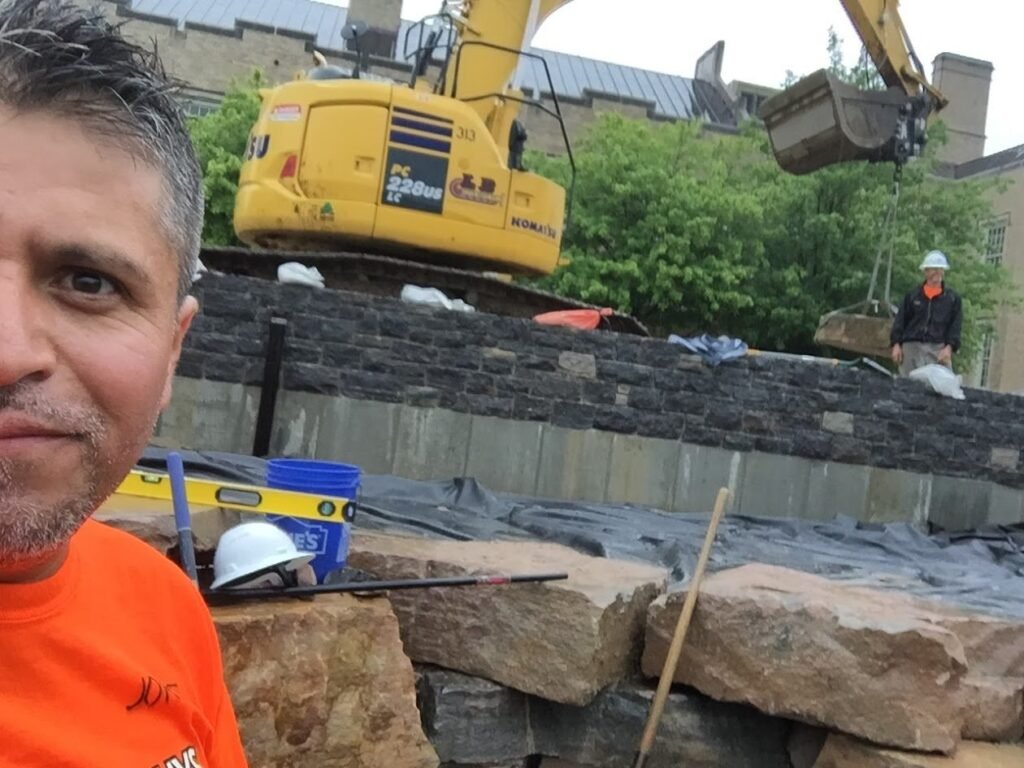
During a consultation, an experienced builder studies grade changes, drainage patterns, soil conditions, access for equipment, sunlight, existing trees and planting areas, utility locations, and the relationship between the proposed feature and the home. In the Bay Area, those details can vary dramatically from one property to the next. A hillside yard, a compact courtyard, and a broad estate landscape each call for a different approach.
The most compelling placement is not always the empty corner of the yard. A waterfall may be best positioned where it can be seen from the primary living space and heard from a patio. A pond may need a location that balances sun exposure for aquatic plants with protection from excessive heat. A recreation pond needs adequate room for circulation, gathering spaces, filtration, and safe entry points.
This early assessment helps the design work with the terrain instead of fighting it. It also reveals practical questions before they become construction problems, such as where excavated soil will go, how materials will reach the backyard, and how stormwater should move around the finished feature.
What Happens During a Water Feature Design Consultation
A productive consultation is a conversation, not a sales pitch. The goal is to understand the experience you want first, then determine the right technical and artistic path to create it.
You may arrive with a saved photo of a mossy cascade, a dream of keeping koi, or simply the feeling that the backyard needs life. Those are valuable starting points. The consultation turns them into decisions: Would a pondless waterfall deliver the sound and movement you want with less surface water? Do you want a water garden that supports lilies, fish, and seasonal color? Is the property suited to a large recreation pond that becomes the center of family time?
The discussion should also cover how the space will be used. A feature designed for quiet morning coffee has different priorities than one intended for entertaining. Families with young children may prefer particular edge treatments and viewing areas. Clients who travel often may value automated systems and a lower-maintenance design. Commercial properties may need a strong visual focal point that performs reliably under daily public use.
At Aquascape Creations, this is where hands-on construction knowledge matters. The team can help clients see beyond the first impression of a design and understand how the system will function years from now. A striking waterfall is only successful when the plumbing, filtration, liner, rockwork, and circulation are built to support it.
The questions worth asking
A consultation should give you room to ask direct questions. How visible will the feature be from inside the home? What will it sound like at different flow levels? Will it attract birds and beneficial wildlife? How much routine care should you expect? Can the design be expanded later with planting, lighting, a patio, or an additional stream?
It is equally useful to ask about materials and construction methods. Natural stone selection, liner protection, properly sized pumps, biological filtration, and access to service components are not glamorous details, but they are central to long-term performance. A custom feature should be designed for the way it will be maintained, not just the day it is photographed.
Choosing the Right Type of Water Feature
There is no single best water feature. The right choice depends on your goals, site conditions, budget, and comfort with ongoing care.
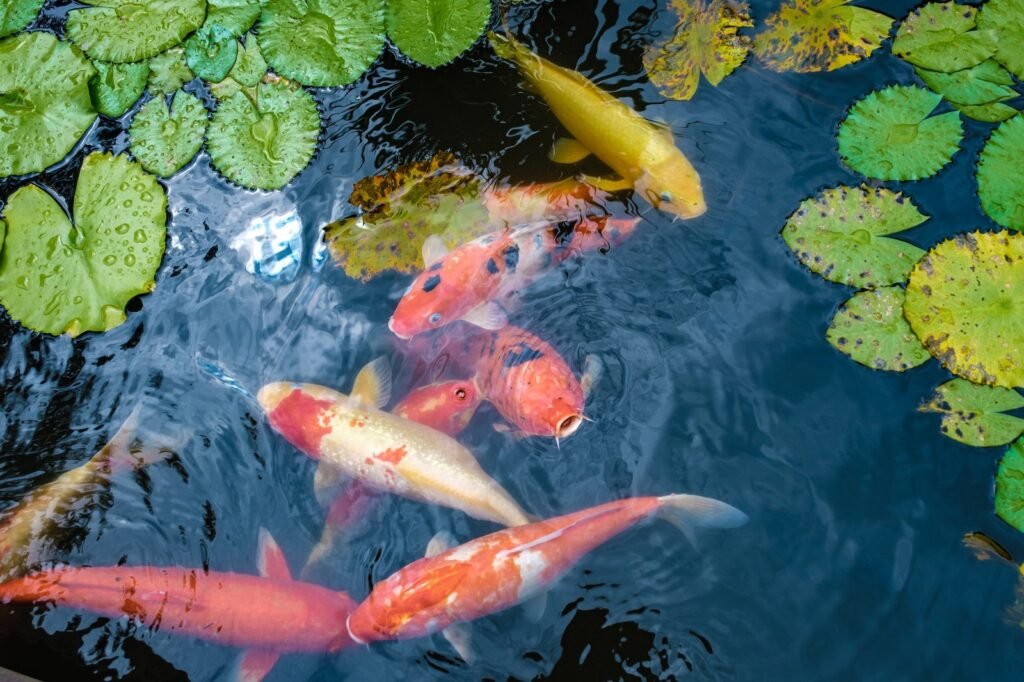
A koi pond or water garden creates an active living environment. Fish, aquatic plants, reflections, and changing seasonal color can make it deeply rewarding. It also requires thoughtful filtration, water-quality management, and regular maintenance. For clients who enjoy the living side of a pond, that care becomes part of the pleasure. For others, a pondless design may be a better fit.
Pondless waterfalls provide the movement and sound of cascading water while storing water in a concealed reservoir. They are an excellent choice for smaller spaces, front entries, slopes, and households that want the sensory impact of water with a simpler maintenance routine. Because there is no open pond, they can also be especially practical where safety or available space is a primary concern.
A recreation or swim pond is a larger commitment, but it can transform a property into a true natural sanctuary. These projects need careful planning for swimming zones, filtration, circulation, landscape integration, access, and the scale of surrounding outdoor living areas. When designed well, they offer a distinctive alternative to a conventional pool without pretending they are the same thing. The water has a more natural character, and the landscape must be treated as an essential part of the experience.
Design Is About More Than the Water
The water itself is the heart of the feature, but the surrounding environment determines whether it feels complete. During the planning process, consider the view from indoors, paths that lead guests toward the feature, seating areas, plant textures, lighting, and the transition between stonework and the existing landscape.
A naturalistic design uses variation with purpose. Boulders should appear anchored rather than perched on the surface. Streams need changes in width, depth, and pace so the water feels alive. Planting should soften edges while leaving enough access for maintenance and preserving important sightlines.
Sound deserves special attention. A broad, gentle fall can create a calming background presence, while a narrower drop can produce a livelier sound that helps mask neighborhood noise. Neither is automatically better. The right choice depends on proximity to the home, nearby neighbors, and the atmosphere you want to create.
Lighting is another decision that benefits from early planning. Properly placed fixtures can reveal moving water, stone texture, and planted edges after sunset without making the yard feel overlit. Integrating lighting during construction is generally cleaner and more effective than treating it as an afterthought.
Budget Clarity Creates Better Decisions
Custom water features are quote-based because each property presents different conditions and ambitions. The consultation helps establish a realistic scope before anyone commits to a design that does not match the site or the intended investment.
The cost of a project can be shaped by excavation difficulty, access limitations, the amount and type of stone, system capacity, electrical needs, retaining work, planting, lighting, and the complexity of the desired water movement. A dramatic multi-level waterfall built into a slope is not comparable to a compact pondless feature near a patio, even if both are described as waterfalls.
A good designer will help prioritize what matters most. Sometimes the best choice is to build the central water feature correctly now and plan future landscape phases around it. In other cases, completing the surrounding patio, planting, and lighting at the same time creates a more cohesive result and avoids reworking finished areas later.
The lowest initial price is not always the lowest cost of ownership. Underbuilt systems, poor access to components, inadequate filtration, and improperly installed liners can lead to leaks, murky water, disappointing flow, and avoidable repair work. Quality craftsmanship and materials protect both the experience and the investment.
Plan for the Years After Installation
Every water feature needs care, although the level of service varies. A pond with fish requires seasonal attention to water quality, filtration, plant growth, and debris. A pondless waterfall still benefits from periodic inspection, cleaning, and system checks. Larger projects may need a tailored maintenance plan that keeps the feature performing beautifully as the landscape matures.
Discuss maintenance during the design consultation, not after installation. The right plan can include accessible skimmers and filters, dependable pump systems, manageable planting zones, and service points that do not disrupt the finished landscape. This is one of the clearest signs that a water feature has been designed as a lasting landscape creation rather than a decorative installation.
A water feature should bring you outside more often, not give you another project to worry about. Start with a conversation that respects both the dream and the details, and the result can become the living masterpiece your property has been waiting for.