
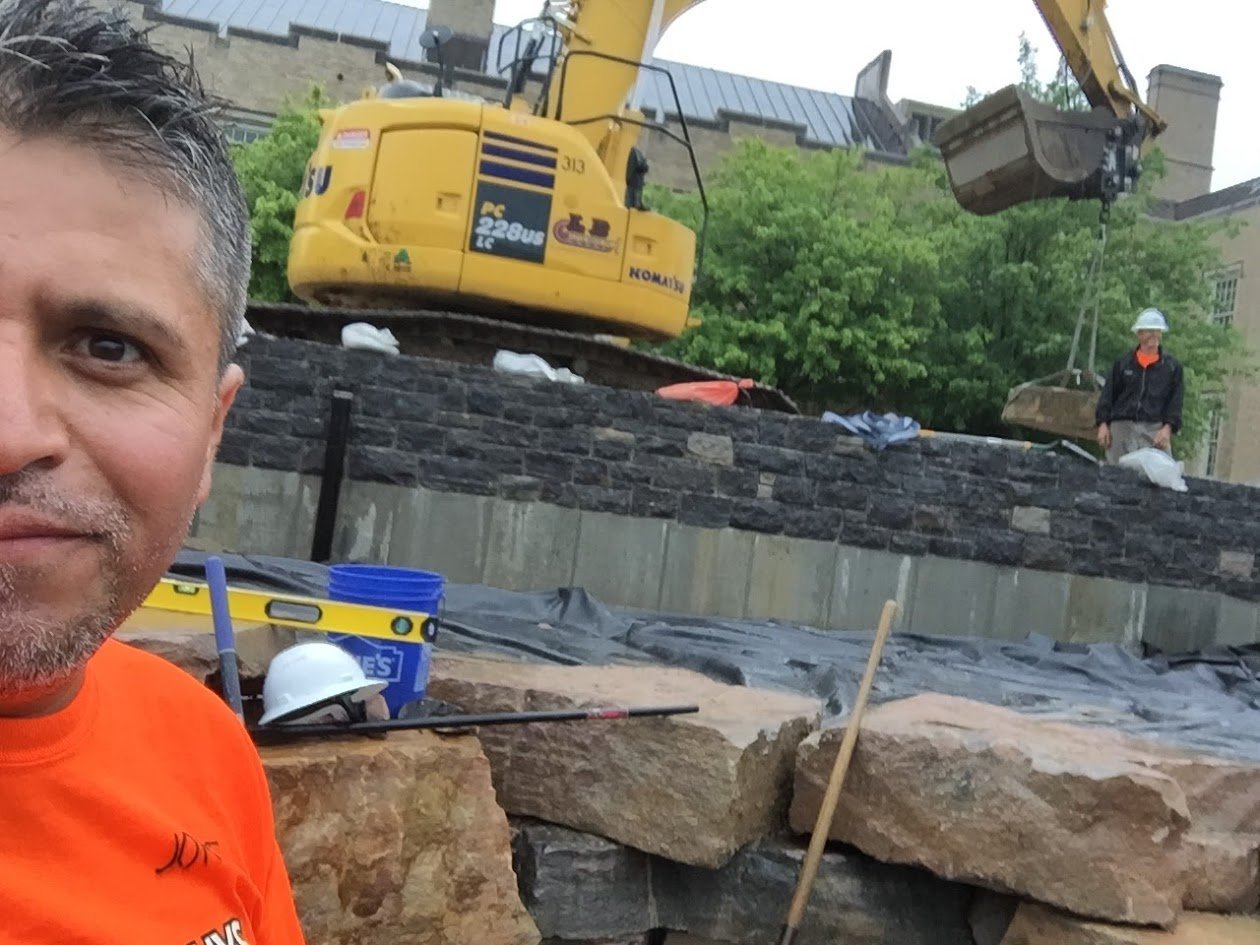
A well-designed water feature changes the feeling of a commercial property before anyone reaches the front door. The sound of moving water softens traffic noise, draws people into an outdoor space, and gives a busy setting a sense of calm. But commercial water feature installation is not simply about placing a waterfall or pond near a walkway. It is the work of creating a living landscape system that looks natural, performs reliably, and holds up to daily public use.
For a hotel courtyard, medical campus, office garden, restaurant patio, or community entrance, the best water feature should feel as though it belongs there. It should complement the building, respect the terrain, and remain a source of pride long after construction is complete.
What Makes Commercial Water Features Different
A commercial project carries demands that many residential installations do not. The feature may be viewed by hundreds of guests, tenants, employees, or visitors each day. It may sit near high-traffic paths, operate for longer hours, and need to meet site-specific safety, drainage, accessibility, and maintenance requirements.
That is why scale alone does not define a commercial project. A compact pondless waterfall at a professional office can require more planning than a larger private pond if the site has limited access, underground utilities, or strict property-management standards. Likewise, a large water garden at a resort must be designed for visual impact without becoming an ongoing burden for the facilities team.
The goal is not to install a decorative object. It is to build a natural sanctuary with dependable circulation, thoughtfully placed stonework, appropriate planting, and equipment that can be accessed and serviced without disrupting the landscape.
Commercial Water Feature Installation Starts With the Site
Every successful installation begins by reading the property. Sun exposure, existing grades, drainage patterns, mature trees, utilities, views from inside the building, pedestrian circulation, and the character of surrounding materials all matter. A water feature that looks beautiful in a rendering can feel misplaced if it ignores how people actually move through the space.
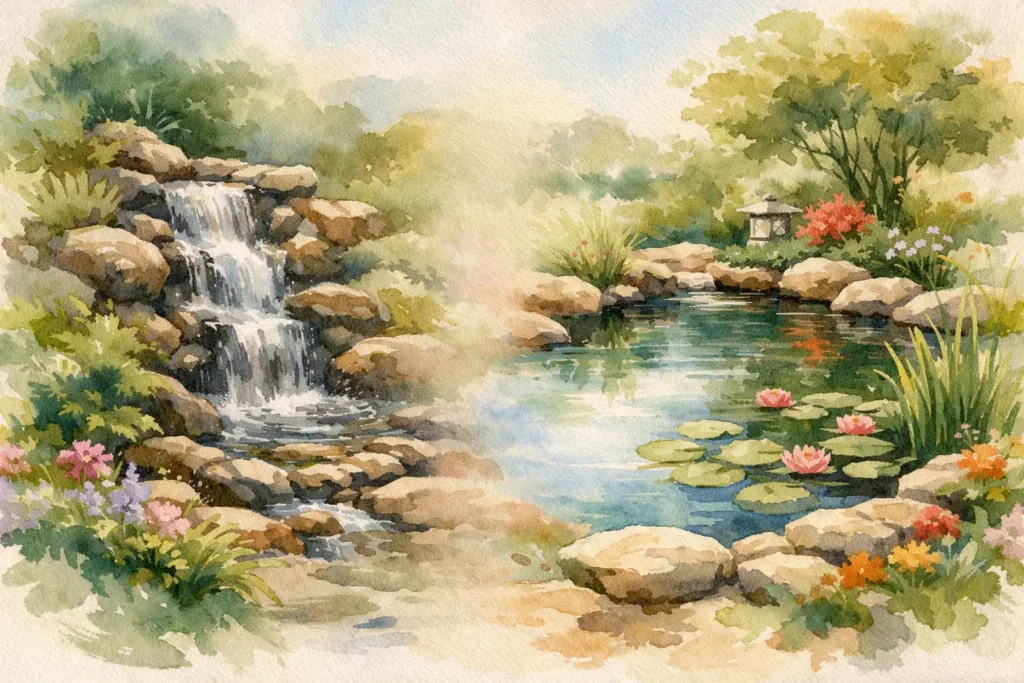
On a Bay Area property, terrain is often one of the most valuable design tools. A natural slope can become the beginning of a cascading stream or waterfall. A level courtyard may call for a stiller water garden with gentle movement and layered planting. In a constrained urban setting, a pondless waterfall can offer the sound and presence of water without the footprint or open-water considerations of a pond.
The right concept depends on what the feature needs to accomplish. Is it meant to create a memorable arrival experience? Provide a restorative view from a waiting area? Give employees a place to gather outdoors? Support fish and aquatic plants? These questions shape everything from the water’s depth and movement to the selection of stone and the location of seating.
Design for the People Who Will Use the Space
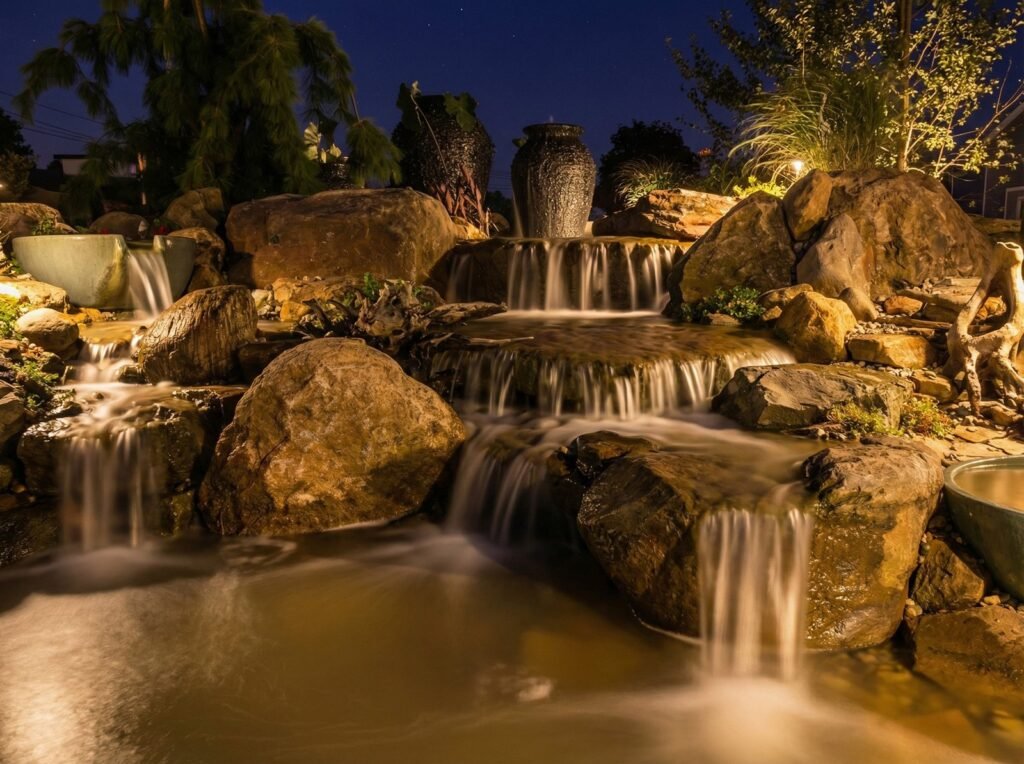
Commercial water features should be experienced from more than one angle. A waterfall may need to be heard from a patio but not overwhelm conversation. A pond may need a clear focal point from a lobby window while still offering close-up moments along a garden path. At night, carefully placed lighting can reveal moving water, rock textures, and plant silhouettes without creating glare for guests or neighbors.
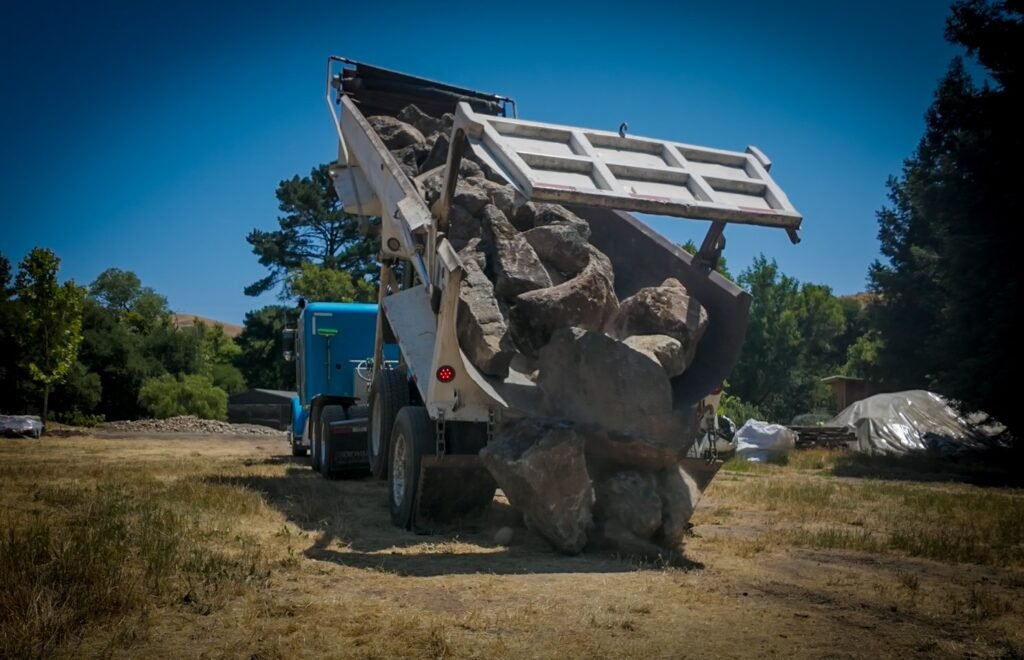
The most natural-looking work is also intentional. Boulders are selected and placed to create believable transitions. Edges are softened with planting. Water is directed to move through the landscape rather than appearing to emerge from an obvious mechanical source. This is nature-inspired artistry backed by construction discipline.
Build the System Beneath the Beauty
The visible portion of a pond or waterfall earns the attention, but long-term performance comes from what is below the surface. Proper excavation, underlayment, liner installation, rock placement, plumbing, filtration, and pump sizing determine whether the feature remains a pleasure or becomes a recurring problem.
Water needs a complete circulation plan. Pumps must be correctly sized for the desired flow, elevation changes, and plumbing runs. Filtration must match the water volume, expected debris load, plant material, and whether fish will live in the pond. Skimmers, intake bays, and biological filtration work together to manage debris and support clearer, healthier water.
Materials matter here. Commercial installations deserve components built for continuous operation and field conditions, not lightweight products chosen only for a lower initial price. A quality liner, durable fittings, protected plumbing, and accessible equipment may cost more at the start, but they reduce the likelihood of expensive disruption later.
There is also a balance to strike. A dramatic waterfall needs enough flow to look and sound convincing, but oversized equipment can waste energy and create unnecessary splash. A heavily planted pond can support a natural appearance and ecological balance, but plants must be selected and managed so they do not obstruct circulation or overwhelm the water’s surface. Good design is never one-size-fits-all.
Choose the Right Type of Water Feature
Pondless waterfalls are often an excellent choice for commercial settings where clients want the movement and sound of water with a lower-maintenance profile. Water disappears into a concealed underground reservoir, then recirculates to the top of the falls. They work beautifully near entrances, patios, courtyards, and areas where open water is not desirable.
A water garden or koi pond creates a different kind of experience. It invites people to pause, observe fish, and enjoy seasonal changes in aquatic plants. These features can become a true focal point for hospitality properties, senior living communities, wellness-focused environments, and large private developments. They also require a clear plan for filtration, fish care, and ongoing professional maintenance.
For larger properties, recreation ponds and expansive naturalistic water environments can create a destination within the landscape. These complex projects require careful engineering, site coordination, and an experienced construction team. When planned well, they can feel like a permanent extension of the land rather than an addition placed on top of it.
Plan for Maintenance Before Construction Begins
A water feature should be easy to enjoy, not difficult to own. Maintenance is not an afterthought reserved for when something goes wrong. It is part of responsible design.
Before installation, the project team should consider how technicians will reach pumps, filters, and valves; where debris will collect; how seasonal cleaning will be handled; and how the feature will perform during periods of heavy leaf drop or changing weather. Equipment hidden from view should still be accessible. A beautiful rock edge should not prevent routine service. These details protect the investment and help property managers avoid surprises.
Regular care may include seasonal cleaning, debris removal, water-quality checks, pump inspection, filter service, plant trimming, and repairs when needed. For koi ponds, fish health and biological balance need additional attention. The exact schedule depends on the feature, its location, and the level of public exposure, but consistent professional care is the simplest way to preserve both appearance and performance.
Work With a Team That Understands Complexity
Commercial projects involve more than craftsmanship. They require communication with property owners, landscape architects, general contractors, facilities teams, and sometimes multiple trades working on the same site. Clear scheduling, safe work practices, thoughtful staging, and respect for the surrounding property are essential.
Aquascape Creations approaches these projects as lasting landscape creations, not standardized installations. As a Certified Aquascape Contractor, the team brings hands-on construction knowledge to every phase, from the first site conversation through final adjustments and ongoing service. Large and complex water environments are where careful planning, quality materials, and experienced installation make the greatest difference.
A commercial feature should never feel temporary. When its stonework settles naturally into the landscape, its water moves with purpose, and its systems are built for years of service, it becomes part of the property’s identity. That is the kind of place people remember, return to, and feel better simply being around.
Living near the mountains in the north means I do not have many entertainment options but this site changed everything for me. I log in after my morning tea routine and the games load instantly without any lag. The support team even remembered my name which makes me feel like family. Definitely the best way to pass rainy evenings. vk8login