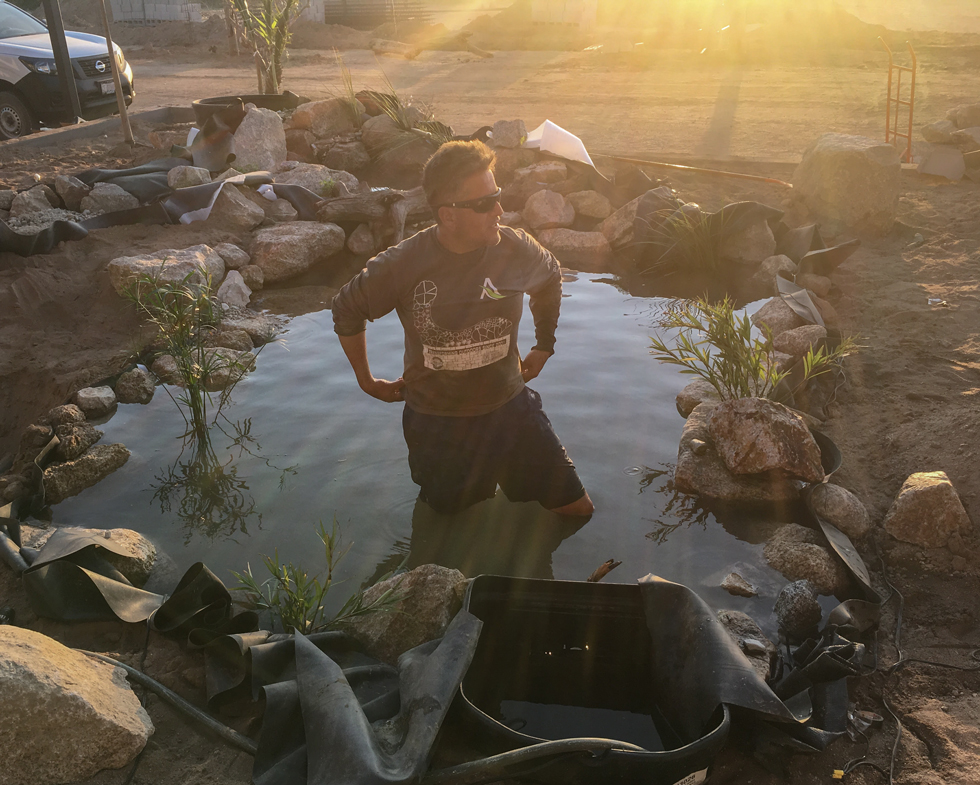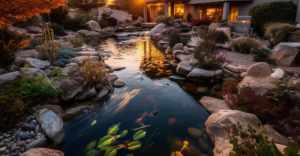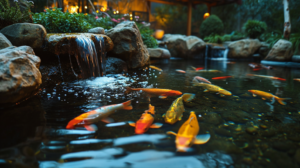

Building an Aquascape-style koi pond has always been a premium investment, but 2026 is shaping up to bring another shift in pricing. Aquascape has confirmed nationwide cost increases due to new tariffs on key components, and local operating expenses—insurance, labor, and logistics—continue to climb across the Bay Area.
For homeowners planning a new water feature next year, it’s realistic to expect a 10–15% increase over current prices.
At the moment, a 15′ x 12′ koi pond in our region averages around $19,000, and that figure will move accordingly once 2026 pricing takes effect. Below, we break down the factors that shape the total investment so you can plan confidently.
Why Bay Area Ponds Cost More Than Other Parts of the Country
The Bay Area is a unique market. Materials matter, but time and access drive cost more than anything else: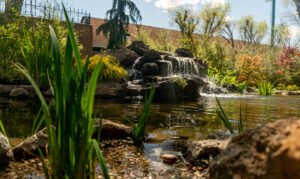
Tight lots and hillside properties
Long walks for material handling
Limited equipment access
Stairs, slopes, and narrow side yards
Higher insurance and labor requirements
Strict regulations for soil disposal
When you combine these realities with upcoming national price increases, it becomes clear why our region consistently lands on the higher end of Aquascape pond pricing.
1. Pond Dimensions: Why Size Isn’t the Only Factor
Every ecosystem pond—large or small—requires the same core components:
Skimmer, Biofalls, liner, underlayment, pump, plumbing, and boulders.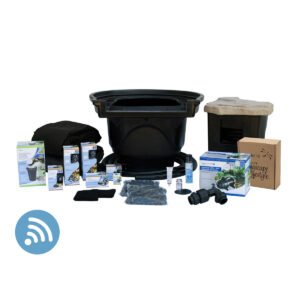
This means that even though larger ponds do take more material, smaller ponds don’t always bring dramatic savings.
For example, an 8′ x 4′ pond often falls close in cost to an 11′ x 8′ pond simply because the foundational setup is identical.
2. Site Accessibility: One of the Biggest Cost Drivers
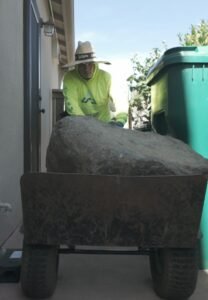
Access can change everything. Stairs, tight walkways, long distances
for moving rock, or yards
with limited equipment access can add anywhere from 10% to 50% or more to a project.
The more challenging the property, the more time the build requires—and time is the real cost in this region.
3. Soil Disposal: A Regulated and Expensive Necessity
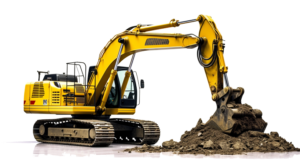 California soil disposal rules are strict. Expect about $1,000 per load, and most ponds need at least two loads or equivalent dumpster capacity.
This is one of those unavoidable regional costs that quickly adds up and often surprises homeowners.
4. Pond Depth: More Excavation, More Cost
A typical koi pond depth sits around 36 inches. Digging deeper means:
More soil to haul away
More time spent shoring and shaping
Extra labor for secure boulder placement
For smaller ponds, we recommend staying near 30 inches and adding a fish cave to protect koi from predators.
5. Aquatic Plants: Essential for Beauty and Water Quality
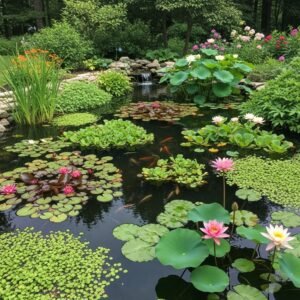
Plants aren’t an optional upgrade—they’re fundamental to the ecosystem. Lilies, lotus, and submerged plants help stabilize water quality and complete the natural look.
General planting guidelines:
1 water lily for every ~100 sq ft of surface area
1 marginal plant every 4–5 feet around the pond’s edge
The result is a balanced, thriving environment that stays clear and vibrant.
6. Electrical Requirements: Bringing Power to the Pond
A dedicated GFCI outlet within about 15 feet of the skimmer is required. Running electrical to code averages:
$35 per foot for trenching and conduit
$300–$400 for each new GFCI outlet
This varies depending on distance and the layout of the property.
7. Water Line and Autofill Options
For consistent water levels, especially with our limited rainfall, an autofill is a smart choice.
Autofill installation: ~$800
Water line run: ~$15 per foot
This makes day-to-day pond ownership simpler and avoids issues caused by evaporation.
8. Enhancements That Add Value and Convenience
These aren’t required but elevate the overall experience and long-term performance:
Lighting Package (10 lights): ~$3,500 + $400 transformer
Auto-Dosing System: ~$800 (+$100 for smart upgrade)
Fish Cave: ~$400
IonGen (algae control): ~$900 installed
Aerator (fish health): ~$900 installed
9. Ongoing Costs: What to Expect After the Build
Energy, maintenance, and seasonal care remain relatively stable:
Electricity: $20–$50 per month per pump
Annual cleaning: $900–$2,000+ depending on pond size
Bacteria treatments: Minimal once matured
These costs are low compared to other outdoor features that require constant service.
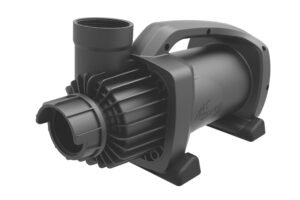
10. Our Pump of Choice for 2026: The Aquascape SLD 5000
Beginning in 2024, Aquascape released the SLD 5000 pump. After two years of real-world testing across multiple Bay Area builds, we can say confidently:
This will be our primary pump choice for 2026 projects.
Why?
Strong reliability
Excellent energy efficiency
Smooth, adjustable flow control
Better performance under varied head pressures
Proven durability in long-running systems
For homeowners, this means lower operating costs and a pump that stands up to the demands of a year-round aquatic environment.
Is an Aquascape Pond Worth the Investment in 2026?
Well the anwer we get from all of our clients once we finished the project is.
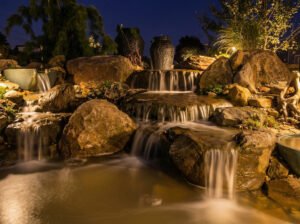
Absolutely—when built correctly. While costs continue to climb due to national and local pressures, the end result is a custom water feature that becomes part of your home’s identity.
You’re investing in:
Outdoor ambiance
Sound, movement, and natura
l filtration
A peaceful space for family and wildlife
A feature that transforms the landscape year-round
Price increases are unavoida
ble, but the value of a well-built Aquascape pond remains unmatched.
Q&A: Planning and Pricing Your 2026 Koi Pond
Q: Why are Bay Area koi ponds more expensive than other regions?
A: Bay Area projects face unique challenges: limited access, tight yards, hillsides, and long material hauls all increase labor time. Strict soil disposal rules, higher insurance, and labor rates add to costs. Materials matter, but time and logistics are the real cost drivers.
Q: How does pond size affect cost?
A: While larger ponds require more material, every pond—big or small—needs the same core components: skimmer, Biofalls, liner, underlayment, and pump. This means an 8′ x 4′ pond often costs close to an 11′ x 8′ pond, because the ecosystem and base requirements are nearly identical.
Q: How much does site accessibility impact price?
A: Significantly. Stairs, long walks for material, or narrow yards can increase project costs 10–50% or more. Difficult access requires more time and equipment, which adds up quickly.
Q: What are the costs for soil disposal?
A: California has strict regulations. Expect around $1,000 per load, with most ponds needing at least two loads or multiple dumpsters. This is a fixed part of project budgeting in our area.
Q: How does pond depth affect cost?
A: Deeper ponds require more excavation, more soil removal, and more labor to safely set boulders. Standard koi pond depth is about 36 inches, but for smaller ponds, we recommend 30 inches with a fish cave to protect koi from predators.
Q: How many aquatic plants do I need?
A: Plants are essential for aesthetics and water quality. General guidelines:
1 water lily per ~100 sq ft of surface area
1 marginal plant every 4–5 feet along the perimeter
These guidelines help create a healthy, visually balanced ecosystem.